

Government service robots are revolutionizing how public agencies handle citizen inquiries, transforming traditionally complex and time-consuming processes into streamlined, efficient interactions. These intelligent automated systems serve as the first point of contact for citizens seeking information, services, or assistance from government departments, effectively reducing wait times while ensuring consistent service quality across all interactions.
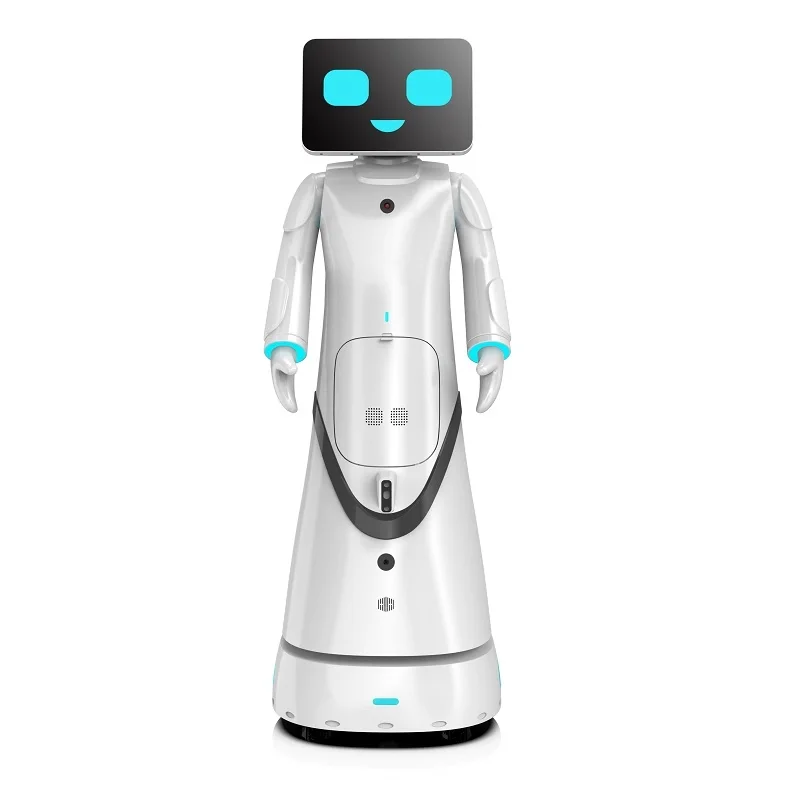
The implementation of government service robots addresses the growing demand for accessible, round-the-clock public services while simultaneously reducing operational costs and improving staff productivity. By automating routine inquiries and providing instant responses to common questions, these robots allow human staff to focus on more complex cases that require personal attention and specialized expertise.
Core Mechanisms Behind Automated Public Service Processing
Intelligent Query Recognition Systems
Government service robots utilize advanced natural language processing capabilities to understand and categorize citizen inquiries across multiple communication channels. These systems can interpret questions posed in various formats, from simple information requests to complex multi-step procedural inquiries, ensuring accurate routing to appropriate response protocols.
The recognition system maintains comprehensive databases of government procedures, regulations, and service requirements, enabling robots to provide precise answers without human intervention. This automated processing significantly reduces the cognitive load on government staff while maintaining accuracy in information delivery.
Real-Time Database Integration
Modern government service robots connect directly with official databases and management systems, allowing them to access up-to-date information about permits, applications, schedules, and service availability. This integration ensures citizens receive current, accurate information without delays associated with manual lookup processes.
The seamless database connectivity enables robots to perform status checks, schedule appointments, and even initiate certain application processes automatically, creating a comprehensive self-service experience that operates independently of traditional office hours and staffing limitations.
Workflow Simplification Through Automated Guidance
Step-by-Step Process Navigation
Government service robots excel at breaking down complex bureaucratic processes into manageable, sequential steps that citizens can easily follow. Rather than overwhelming users with comprehensive procedure manuals, these systems provide guided navigation through each stage of service requests, applications, or compliance requirements.
The robots maintain awareness of where each citizen stands in their particular process, offering contextual next-step guidance and preventing common mistakes that typically result in delays or rejected applications. This guided approach significantly reduces the number of incomplete or incorrectly submitted requests that government offices receive.
Document Management and Verification
These automated systems can guide citizens through document preparation requirements, explaining which specific forms are needed for particular services and highlighting common errors that cause processing delays. Government service robots provide clear instructions about document formats, required information, and submission procedures.
Advanced systems can even perform preliminary document verification, checking for completeness and basic compliance before submission, which prevents the back-and-forth communication typically required when applications contain errors or missing information.
Efficiency Improvements in Public Service Delivery
Reduced Processing Time for Routine Inquiries
Government service robots dramatically reduce the time required to process standard citizen inquiries by providing instant responses to frequently asked questions about office hours, service requirements, fee schedules, and basic procedures. This immediate response capability eliminates the delays associated with traditional phone queues or in-person waiting systems.
Statistical analysis from government offices implementing these robots shows average inquiry resolution times decreasing from hours or days to mere minutes for routine matters, allowing citizens to obtain needed information and proceed with their activities without significant delays.
Enhanced Staff Resource Allocation
By handling routine inquiries automatically, government service robots free up human staff to focus on cases requiring specialized knowledge, discretionary judgment, or complex problem-solving. This improved resource allocation leads to better service quality for complicated matters while maintaining efficiency for routine transactions.
Staff members can dedicate their expertise to policy interpretation, exception handling, and personalized assistance for citizens facing unique circumstances, rather than spending time on repetitive information delivery tasks that robots can handle more efficiently.
Implementation Benefits for Government Operations
Consistency in Service Quality
Government service robots ensure uniform service delivery regardless of time of day, staff availability, or individual employee knowledge levels. Every citizen receives the same accurate, comprehensive information about procedures and requirements, eliminating inconsistencies that can arise from human variability in training or experience.
This consistency builds public trust in government services by ensuring reliable access to accurate information and reducing frustration caused by conflicting guidance from different staff members or departments.
Scalable 24/7 Service Availability
Unlike traditional government office operations limited by business hours and staffing constraints, government service robots provide continuous service availability. Citizens can access information, submit basic requests, and receive guidance at any time, accommodating varying schedules and urgent needs.
This around-the-clock availability particularly benefits working citizens who cannot easily visit government offices during standard business hours, improving overall accessibility to public services without requiring increased staffing costs.
FAQ
What types of government inquiries can service robots handle effectively?
Government service robots excel at handling routine informational inquiries such as office hours, service requirements, fee schedules, application status checks, and basic procedural guidance. They can also process simple transactions like appointment scheduling, form requests, and preliminary application submissions. However, complex cases requiring discretionary judgment, policy interpretation, or personalized problem-solving still require human staff intervention.
How do government service robots ensure data security and privacy compliance?
Modern government service robots incorporate robust security protocols including encrypted data transmission, secure database connections, and compliance with government privacy regulations. They typically operate within existing government IT infrastructure, maintaining the same security standards as other official systems. Access controls ensure sensitive information is only available to authorized users, and audit trails track all interactions for compliance monitoring.
Can government service robots integrate with existing government software systems?
Yes, government service robots are designed to integrate seamlessly with existing government databases, case management systems, and service platforms through standard API connections. This integration allows robots to access real-time information, update records, and coordinate with existing workflows without requiring complete system overhauls. Most implementations work alongside current technology infrastructure rather than replacing it entirely.
What happens when citizens need help beyond robot capabilities?
Government service robots are programmed to recognize when inquiries exceed their capabilities and smoothly transfer citizens to appropriate human staff members. They can provide context about the citizen's needs, previous interactions, and relevant information to ensure seamless handoffs. This escalation process ensures citizens receive proper assistance for complex matters while maintaining the efficiency gains from automated handling of routine inquiries.