
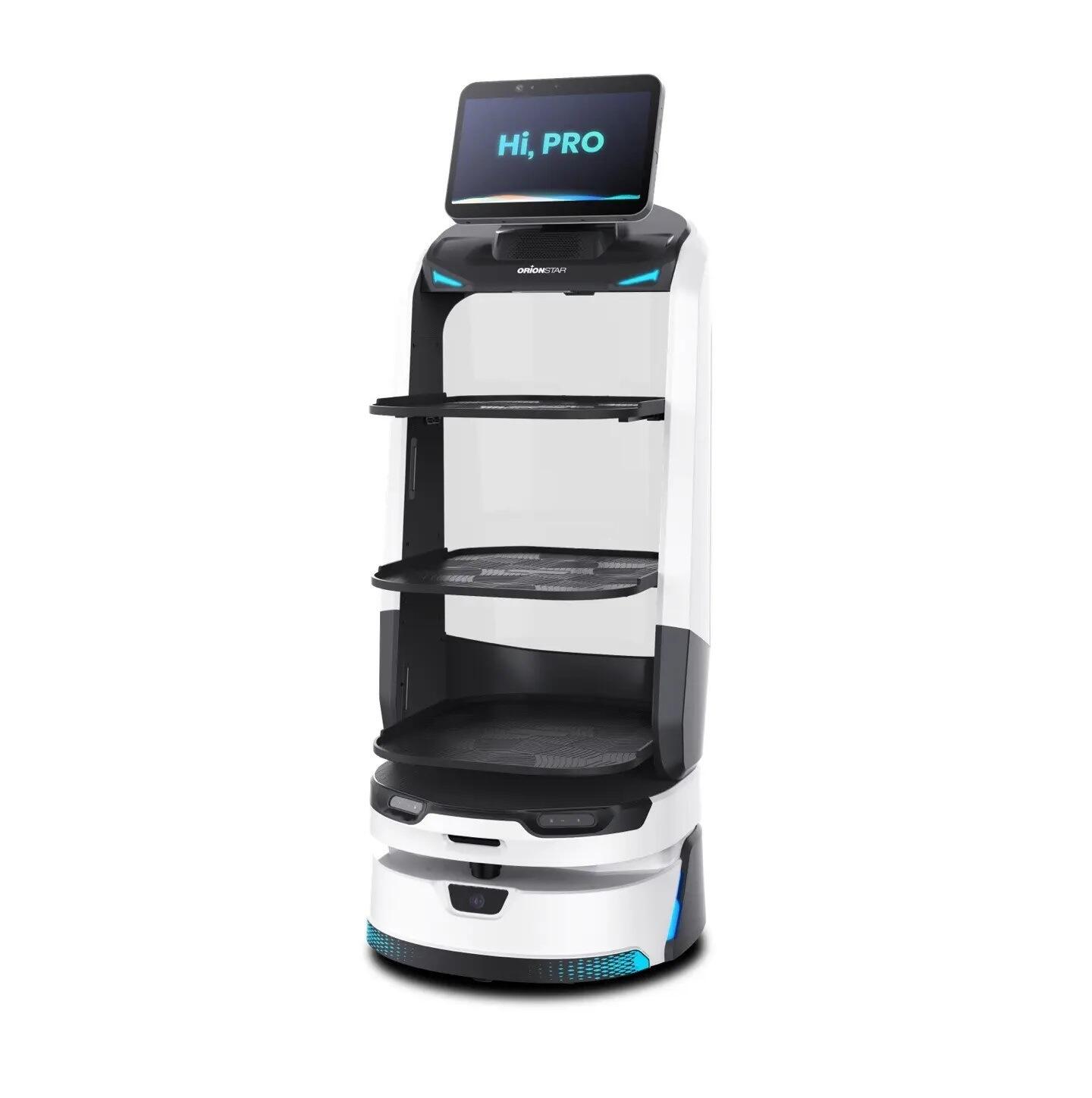
The healthcare industry is experiencing a technological revolution, and pharmacy robots are at the forefront of this transformation. These sophisticated automated systems are revolutionizing how pharmacies operate, delivering unprecedented accuracy, efficiency, and patient safety improvements. As healthcare demands continue to grow and the pressure for error-free medication dispensing intensifies, pharmacy robots have become essential tools for modern pharmaceutical operations. The integration of these advanced systems represents a paradigm shift from traditional manual processes to intelligent automation that benefits both healthcare providers and patients alike.
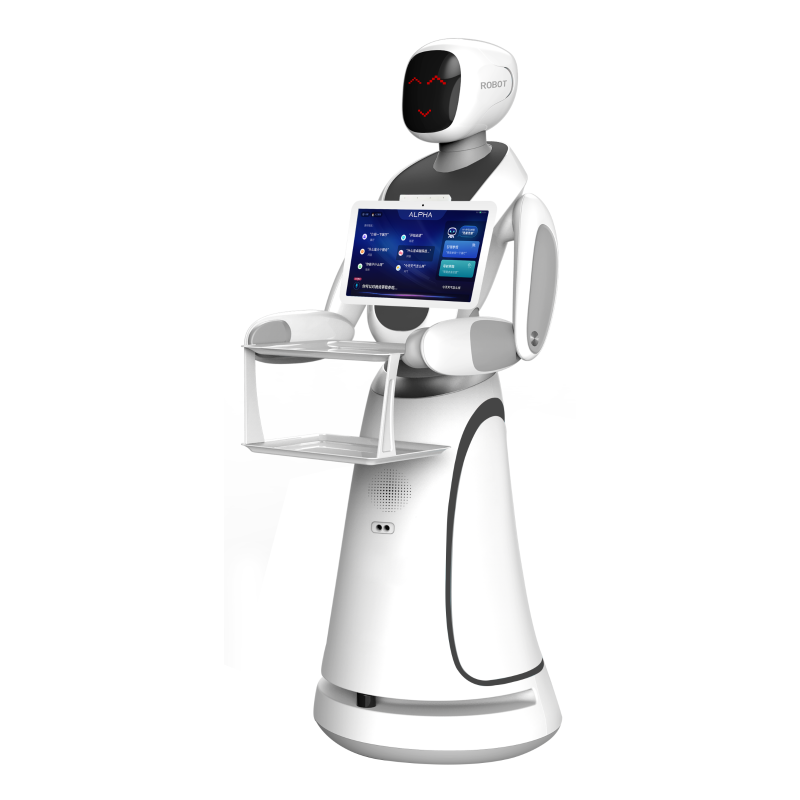
Enhanced Medication Accuracy and Safety
Elimination of Human Error
Pharmacy robots significantly reduce the risk of medication errors that can occur during manual dispensing processes. Traditional pharmacy operations rely heavily on human pharmacists and technicians who, despite their expertise, remain susceptible to fatigue, distraction, and oversight. These automated systems utilize advanced barcode scanning, weight verification, and computerized checking mechanisms to ensure that the correct medication reaches the right patient every time. Studies have shown that pharmacy robots can reduce dispensing errors by up to 99.9%, making them invaluable assets for patient safety protocols.
The precision of pharmacy robots extends beyond simple medication selection to include accurate counting, proper packaging, and comprehensive labeling verification. Each dispensing action is recorded and tracked through sophisticated software systems that maintain detailed audit trails for regulatory compliance and quality assurance purposes. This level of accuracy is particularly crucial in high-volume pharmacy environments where thousands of prescriptions are processed daily, and even minor errors can have serious consequences for patient health outcomes.
Real-Time Verification Systems
Modern pharmacy robots incorporate multiple verification checkpoints throughout the dispensing process to maintain the highest safety standards. These systems employ optical character recognition technology to verify medication names, strengths, and expiration dates before dispensing occurs. Additionally, integrated cameras and sensors continuously monitor the dispensing process, comparing each action against predetermined protocols and immediately flagging any discrepancies for human review.
The real-time verification capabilities of pharmacy robots also extend to patient-specific safety checks, including drug interaction screening, allergy alerts, and dosage validation based on patient demographics and medical history. This comprehensive approach to medication safety creates multiple layers of protection that work together to prevent adverse drug events and ensure optimal patient outcomes in various healthcare settings.
Operational Efficiency and Cost Reduction
Streamlined Workflow Management
Pharmacy robots dramatically improve operational efficiency by automating time-consuming manual tasks that traditionally require significant human resources. These systems can process prescriptions around the clock without breaks, holidays, or shift changes, ensuring consistent productivity levels that far exceed manual capabilities. The automated nature of pharmacy robots allows pharmacists and technicians to focus on higher-value activities such as patient counseling, clinical services, and medication therapy management rather than routine dispensing tasks.
The workflow optimization provided by pharmacy robots extends throughout the entire prescription fulfillment process, from initial order receipt to final patient delivery. These systems can prioritize urgent prescriptions, batch similar orders for efficient processing, and coordinate with pharmacy management software to optimize inventory utilization and minimize waste. This comprehensive workflow management capability results in faster prescription turnaround times and improved patient satisfaction scores.
Reduced Labor Costs and Resource Allocation
Implementation of pharmacy robots leads to significant long-term cost savings through reduced labor requirements and improved resource utilization. While the initial investment in robotic technology may be substantial, the return on investment typically becomes apparent within the first few years of operation through decreased staffing needs and reduced error-related costs. Pharmacies can reallocate human resources to patient-facing roles that generate additional revenue while maintaining or improving operational efficiency.
The cost benefits of pharmacy robots also include reduced insurance premiums due to lower error rates, decreased waste from expired medications through better inventory management, and improved space utilization through compact automated storage systems. These cumulative savings often justify the initial technology investment while positioning pharmacies for sustainable growth and competitive advantage in the evolving healthcare marketplace.
Inventory Management and Control
Automated Stock Monitoring
Pharmacy robots excel at maintaining accurate, real-time inventory records that eliminate the guesswork and manual counting traditionally associated with pharmacy stock management. These systems automatically track medication quantities, expiration dates, and usage patterns to provide comprehensive inventory visibility that supports informed purchasing decisions and prevents stockouts or overstock situations. The continuous monitoring capabilities ensure that pharmacies maintain optimal inventory levels while minimizing carrying costs and waste.
Advanced inventory management features of pharmacy robots include automated reorder notifications, expiration date tracking, and lot number management for enhanced traceability and regulatory compliance. These systems can generate detailed reports on medication usage patterns, seasonal trends, and supplier performance metrics that help pharmacy managers optimize their procurement strategies and negotiate better terms with pharmaceutical suppliers.
Reduced Medication Waste
The precise inventory control capabilities of pharmacy robots significantly reduce medication waste through improved rotation protocols and expiration date management. These systems automatically prioritize older stock for dispensing while maintaining detailed records of expiration dates to prevent the dispensing of expired medications. This first-in-first-out approach to inventory management helps pharmacies minimize financial losses associated with expired medications while ensuring patient safety.
Pharmacy robots also contribute to waste reduction through more accurate demand forecasting and automated adjustment of inventory levels based on historical usage patterns and seasonal variations. This intelligent approach to inventory management helps pharmacies maintain adequate stock levels for patient needs while avoiding the accumulation of slow-moving medications that may expire before use.
Patient Experience and Service Quality
Faster Prescription Processing
The speed and efficiency of pharmacy robots translate directly into improved patient experiences through faster prescription processing times and reduced waiting periods. These automated systems can typically dispense medications in a fraction of the time required for manual processing, allowing pharmacies to serve more patients without compromising accuracy or safety standards. The consistent processing speed of pharmacy robots helps eliminate the variability in service times that often frustrates patients and creates operational bottlenecks.
Faster prescription processing enabled by pharmacy robots also supports expanded pharmacy services such as same-day delivery, prescription synchronization programs, and automated refill services that enhance patient convenience and medication adherence. These value-added services differentiate pharmacies in competitive markets while improving patient outcomes through better medication compliance and accessibility.
Enhanced Customer Satisfaction
The reliability and consistency of pharmacy robots contribute to higher customer satisfaction scores through reduced prescription errors, shorter wait times, and improved service predictability. Patients develop greater confidence in pharmacy services when they experience consistent, accurate prescription fulfillment that meets their expectations every visit. The professional appearance and advanced technology of pharmacy robots also enhance the perceived quality and competence of pharmacy operations.
Customer satisfaction benefits extend beyond immediate prescription needs to include improved communication and education opportunities as pharmacists have more time available for patient consultations and medication counseling. This enhanced patient interaction capability helps build stronger relationships between pharmacies and their communities while supporting better health outcomes through improved medication understanding and adherence.
Technology Integration and Future Capabilities
Seamless Software Integration
Modern pharmacy robots are designed to integrate seamlessly with existing pharmacy management systems, electronic health records, and insurance processing platforms to create unified operational environments. This integration capability ensures that automated dispensing activities are fully coordinated with other pharmacy operations and maintain comprehensive documentation for regulatory compliance and quality assurance purposes. The ability to share data across multiple systems enhances overall pharmacy efficiency and reduces the potential for communication errors.
The software integration capabilities of pharmacy robots also support advanced analytics and reporting functions that provide valuable insights into prescription patterns, medication utilization trends, and operational performance metrics. These data-driven insights help pharmacy managers make informed decisions about staffing, inventory, and service offerings while identifying opportunities for continuous improvement and growth.
Scalability and Expansion Options
Pharmacy robots offer excellent scalability options that allow pharmacies to expand their automated capabilities as business needs grow and technology advances. Many systems support modular expansion approaches that enable incremental capacity increases without requiring complete system replacements or major operational disruptions. This scalability ensures that investments in pharmacy robots remain valuable over time while providing flexibility to adapt to changing market conditions and patient demands.
Future expansion capabilities of pharmacy robots may include enhanced artificial intelligence features, improved patient interaction interfaces, and integration with emerging healthcare technologies such as telepharmacy and remote patient monitoring systems. These advancing capabilities position pharmacy robots as long-term strategic investments that will continue delivering value as healthcare delivery models evolve and patient expectations increase.
FAQ
How do pharmacy robots improve medication safety compared to manual dispensing
Pharmacy robots improve medication safety through multiple automated verification systems including barcode scanning, weight verification, and computerized cross-checking that eliminate common human errors. These systems maintain 99.9% accuracy rates while providing comprehensive audit trails and real-time monitoring that ensures the right medication reaches the correct patient every time.
What are the typical cost savings associated with implementing pharmacy robots
Pharmacies typically achieve significant cost savings through reduced labor requirements, decreased error-related expenses, lower insurance premiums, and improved inventory management that minimizes waste. Most pharmacy robots demonstrate positive return on investment within two to three years while providing ongoing operational benefits and competitive advantages.
Can pharmacy robots handle specialty medications and controlled substances
Yes, advanced pharmacy robots are specifically designed to handle specialty medications and controlled substances with enhanced security features, specialized storage capabilities, and comprehensive tracking systems that meet regulatory requirements. These systems provide secure dispensing protocols and detailed documentation that exceeds manual handling capabilities for sensitive medications.
How do pharmacy robots integrate with existing pharmacy management systems
Modern pharmacy robots feature sophisticated integration capabilities that connect seamlessly with existing pharmacy management software, electronic health records, and insurance processing systems. This integration ensures unified operations while maintaining comprehensive data sharing and documentation that supports regulatory compliance and operational efficiency across all pharmacy functions.
Table of Contents
- Enhanced Medication Accuracy and Safety
- Operational Efficiency and Cost Reduction
- Inventory Management and Control
- Patient Experience and Service Quality
- Technology Integration and Future Capabilities
-
FAQ
- How do pharmacy robots improve medication safety compared to manual dispensing
- What are the typical cost savings associated with implementing pharmacy robots
- Can pharmacy robots handle specialty medications and controlled substances
- How do pharmacy robots integrate with existing pharmacy management systems