
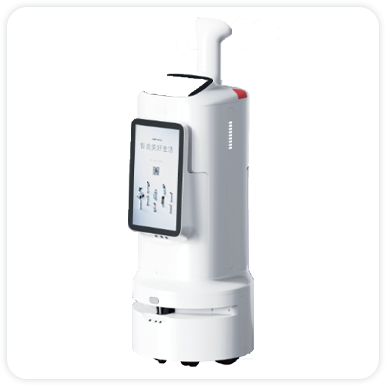
The catering industry faces mounting pressure to reduce operational costs while maintaining service quality, with labor expenses accounting for 25-35% of total operational budgets. An unmanned food delivery robot represents a transformative solution that directly addresses these financial challenges by automating routine food service tasks traditionally performed by human staff. These autonomous systems are engineered to navigate restaurant environments, deliver orders efficiently, and operate continuously without the recurring costs associated with human labor.
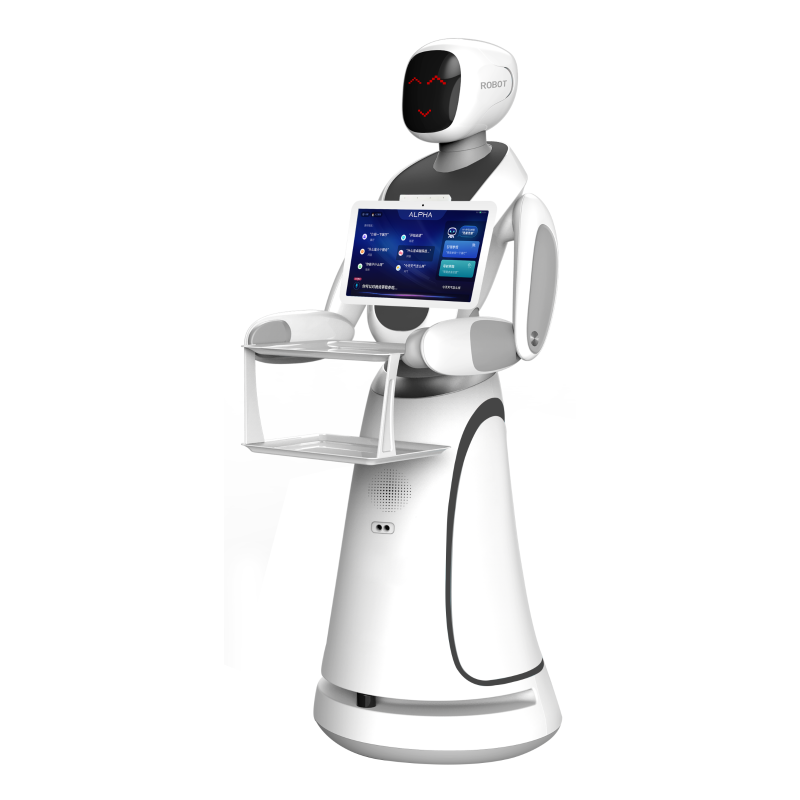
The deployment of robotic delivery systems creates immediate and measurable reductions in staffing requirements while simultaneously improving operational efficiency. Unlike human servers who require wages, benefits, training, and scheduled breaks, an unmanned food delivery robot operates on a one-time investment model with minimal ongoing maintenance costs. This fundamental shift in service delivery methodology enables catering businesses to reallocate human resources to higher-value tasks while achieving substantial long-term savings through automated order fulfillment processes.
Direct Labor Cost Reduction Through Automation
Elimination of Server Wages and Benefits
The most immediate financial impact of implementing an unmanned food delivery robot stems from the direct reduction in server wages and associated employment benefits. Traditional food service operations typically require multiple servers during peak hours, with each full-time server costing approximately $35,000-$45,000 annually including wages, health insurance, and payroll taxes. A single unmanned food delivery robot can effectively replace the delivery functions of 2-3 human servers during busy periods, creating immediate salary savings of $70,000-$135,000 per year.
Beyond base salaries, restaurants eliminate additional employment-related expenses including workers' compensation insurance, unemployment insurance contributions, and mandatory break coverage. The unmanned food delivery robot operates continuously without requiring overtime pay, vacation coverage, or sick leave replacements that typically add 20-30% to the actual cost of human staff. This comprehensive reduction in labor-related expenses represents one of the most significant advantages of robotic automation in food service environments.
The financial benefits extend to reduced recruitment and training costs, as restaurants no longer need to continuously hire and train new serving staff to maintain adequate service levels. High turnover rates in the food service industry, often exceeding 100% annually, create ongoing expenses for recruiting, interviewing, background checks, and initial training periods. An unmanned food delivery robot eliminates these recurring recruitment cycles while providing consistent service quality regardless of staffing challenges or market conditions.
Reduced Training and Onboarding Expenses
Traditional server training programs require substantial time investments from management and experienced staff, typically consuming 40-60 hours of paid training time per new employee. The cost of this training includes not only the new employee's wages during the learning period but also the opportunity cost of experienced staff members who serve as trainers rather than generating revenue through direct customer service. An unmanned food delivery robot requires only initial programming and setup, eliminating the ongoing cycle of training expenses that plague high-turnover food service operations.
The consistency advantage of robotic systems means that service quality remains uniform regardless of employee experience levels or training completeness. Human servers require time to learn menu details, understand service protocols, and develop efficient delivery routes through the restaurant layout. An unmanned food delivery robot maintains optimal performance from the first day of operation, immediately contributing to revenue generation without the gradual improvement curve associated with human staff development.
Management time allocation improves significantly when robotic systems handle routine delivery tasks, allowing supervisors to focus on customer experience enhancement, kitchen coordination, and strategic business development rather than constantly managing and retraining serving staff. This shift in management focus often generates additional revenue opportunities and operational improvements that compound the direct labor savings achieved through automation.
Operational Efficiency Gains and Cost Optimization
Continuous Operation Without Breaks or Shifts
The operational advantages of an unmanned food delivery robot extend far beyond simple wage savings to encompass fundamental improvements in service consistency and availability. Unlike human staff who require scheduled breaks, meal periods, and shift changes, robotic delivery systems operate continuously throughout business hours without interruption. This continuous availability eliminates the common service gaps that occur during human break periods, ensuring consistent order fulfillment even during the busiest service periods.
Peak hour staffing challenges become significantly more manageable when unmanned food delivery robot systems provide reliable baseline service capacity. Traditional restaurants must schedule additional staff during busy periods, often paying premium wages for peak-hour coverage, while still experiencing service delays when demand exceeds human capacity. Robotic systems maintain consistent delivery speed regardless of order volume, reducing the need for surge staffing and associated premium labor costs.
The elimination of shift handovers and communication gaps between different service teams represents another operational improvement that translates to cost savings. Human staff transitions often involve information loss, service inconsistencies, and temporary productivity decreases as new shifts familiarize themselves with current conditions. An unmanned food delivery robot maintains perfect continuity of service knowledge and performance standards across all operating hours, eliminating productivity losses associated with human shift changes.
Reduced Human Error and Food Waste
Human error in order delivery contributes significantly to food waste and customer service costs in traditional restaurant operations. Incorrect deliveries, spilled items, and misrouted orders create both direct financial losses and customer satisfaction issues that require additional resources to resolve. An unmanned food delivery robot operates with precision navigation and secure order handling systems that virtually eliminate delivery errors, reducing food replacement costs and improving overall operational efficiency.
The accuracy advantage extends to order tracking and accountability, as robotic systems maintain detailed logs of every delivery transaction including timing, route efficiency, and successful completion confirmation. This data provides valuable insights for operational optimization while eliminating the ambiguity and disputes that sometimes arise with human-delivered orders. Restaurant managers can track delivery performance metrics in real-time, identifying opportunities for further efficiency improvements and cost reductions.
Customer satisfaction improvements resulting from consistent, error-free delivery contribute to increased repeat business and positive reviews that drive revenue growth. The reliability of an unmanned food delivery robot creates predictable service quality that customers can depend upon, reducing complaint handling costs and improving overall restaurant reputation. These secondary benefits amplify the direct labor cost savings by generating additional revenue streams and reducing customer service overhead expenses.
Technology Integration and Scalability Benefits
Seamless Kitchen and POS System Integration
Modern unmanned food delivery robot systems integrate directly with existing kitchen management and point-of-sale systems, creating seamless order flow from customer placement through final delivery. This integration eliminates the communication delays and potential errors that occur when human servers manually relay order information between kitchen staff and customers. The robotic system receives order details electronically, coordinates with kitchen timing systems, and initiates delivery precisely when items are ready, optimizing both food quality and delivery efficiency.
The data integration capabilities of robotic delivery systems provide restaurant managers with comprehensive analytics on delivery times, peak usage patterns, and operational bottlenecks. This information enables data-driven decisions about staffing levels, menu timing, and service optimization that further reduce costs and improve customer satisfaction. Human servers cannot provide this level of detailed performance data, making it difficult for management to identify specific areas for operational improvement and cost reduction.
Integration with customer management systems allows the unmanned food delivery robot to provide personalized service experiences, recognizing returning customers and adapting delivery preferences based on historical data. This technological capability enhances customer loyalty while reducing the training requirements and memory burden typically placed on human serving staff. The result is more consistent, personalized service delivery at a lower operational cost.
Multi-Location Deployment and Standardization
Restaurant chains and multi-location catering operations benefit significantly from the standardization possibilities offered by unmanned food delivery robot systems. Unlike human staff whose performance varies based on individual capabilities, training quality, and local management practices, robotic systems provide identical service quality across all locations. This standardization reduces training costs, simplifies operational procedures, and ensures consistent customer experiences regardless of location.
The scalability of robotic deployment allows restaurant operators to expand service capacity without proportional increases in labor costs or management complexity. Adding an additional unmanned food delivery robot to handle increased volume requires only the initial equipment investment, whereas scaling human staff involves ongoing salary, benefit, and training expenses that grow with business volume. This scalability advantage becomes particularly valuable for seasonal businesses or locations with variable demand patterns.
Centralized management and remote monitoring capabilities enable restaurant chains to optimize robotic performance across multiple locations from a single control center, reducing the need for location-specific technical support and maintenance staff. Software updates and performance optimizations can be deployed simultaneously across entire networks of robotic systems, ensuring consistent improvements and reducing individual location maintenance costs. This centralized approach to technology management creates operational efficiencies that multiply the labor cost savings achieved at each location.
Return on Investment and Long-Term Financial Impact
Equipment Cost Versus Labor Savings Analysis
The financial justification for implementing an unmanned food delivery robot becomes clear when comparing the one-time equipment investment against ongoing labor costs over a multi-year period. High-quality robotic delivery systems typically require an initial investment of $15,000-$30,000, while the annual labor costs for equivalent human servers range from $70,000-$135,000 including all employment-related expenses. This cost comparison indicates a payback period of 3-6 months for most restaurant operations, with subsequent years representing pure savings that directly improve profitability.
The depreciation schedule for robotic equipment allows restaurants to recover the initial investment through tax advantages while simultaneously benefiting from operational cost reductions. Most unmanned food delivery robot systems have operational lifespans of 5-7 years with proper maintenance, creating a total cost of ownership that is significantly lower than equivalent human labor costs over the same period. When factoring in annual wage increases, benefit cost inflation, and human resource management expenses, the financial advantage of robotic systems becomes even more pronounced over time.
Financing options and leasing programs make robotic implementation accessible to restaurants of various sizes, spreading the initial investment over manageable monthly payments that are typically lower than the monthly savings achieved through labor cost reduction. This financing approach allows restaurants to achieve immediate cash flow improvements while gradually acquiring ownership of equipment that continues generating savings throughout its operational lifespan.
Competitive Advantage and Market Positioning
Early adoption of unmanned food delivery robot technology provides restaurants with significant competitive advantages in markets where labor shortages and rising wages create operational challenges for competitors relying solely on human staff. The ability to maintain consistent service quality during peak periods, staff shortages, or economic uncertainty positions robotic-equipped restaurants as more reliable and efficient options for customers seeking dependable dining experiences.
Marketing benefits associated with innovative technology adoption often generate additional customer traffic and media attention that amplifies the financial returns from robotic implementation. Restaurants featuring unmanned food delivery robot systems attract tech-savvy customers and create memorable experiences that drive social media engagement and word-of-mouth promotion. These marketing advantages supplement the direct cost savings with increased revenue opportunities that further improve return on investment calculations.
The operational resilience provided by robotic systems enables restaurants to maintain consistent service during labor market disruptions, economic downturns, or public health emergencies that might force competitors to reduce hours or service quality. This reliability advantage helps maintain customer relationships and revenue streams during challenging periods, protecting the long-term financial investment in robotic technology while preserving market share against less adaptable competitors.
FAQ
How much can restaurants realistically save by implementing an unmanned food delivery robot?
Most restaurants achieve annual savings of $70,000-$135,000 by replacing 2-3 human servers with a single unmanned food delivery robot, including wages, benefits, and training costs. The typical payback period ranges from 3-6 months, with subsequent years representing pure profit improvement. Additional savings come from reduced human error, decreased food waste, and improved operational efficiency that compounds the initial labor cost reductions.
What happens to existing staff when robotic delivery systems are introduced?
Successful robotic implementations typically reallocate human staff to higher-value tasks such as customer interaction, food preparation, and personalized service rather than eliminating jobs entirely. The unmanned food delivery robot handles routine delivery tasks, freeing servers to focus on order taking, customer engagement, and specialized service that generates tips and enhances dining experiences. This reallocation often improves job satisfaction and earning potential for remaining staff.
How reliable are unmanned food delivery robots in busy restaurant environments?
Modern unmanned food delivery robot systems demonstrate high reliability rates exceeding 99% successful delivery completion in properly configured restaurant environments. These systems include advanced navigation sensors, obstacle avoidance technology, and backup systems that ensure consistent performance during peak service periods. Regular maintenance schedules and software updates maintain optimal performance, while remote monitoring capabilities enable immediate technical support when needed.
Can small restaurants afford unmanned food delivery robot technology?
Financing and leasing options make unmanned food delivery robot technology accessible to restaurants of various sizes, with monthly payments typically lower than the monthly savings achieved through reduced labor costs. Many small restaurants achieve immediate cash flow improvements while gradually acquiring equipment ownership. The scalability of robotic systems allows small operations to start with one unit and expand based on business growth and demonstrated savings.
Table of Contents
- Direct Labor Cost Reduction Through Automation
- Operational Efficiency Gains and Cost Optimization
- Technology Integration and Scalability Benefits
- Return on Investment and Long-Term Financial Impact
-
FAQ
- How much can restaurants realistically save by implementing an unmanned food delivery robot?
- What happens to existing staff when robotic delivery systems are introduced?
- How reliable are unmanned food delivery robots in busy restaurant environments?
- Can small restaurants afford unmanned food delivery robot technology?