
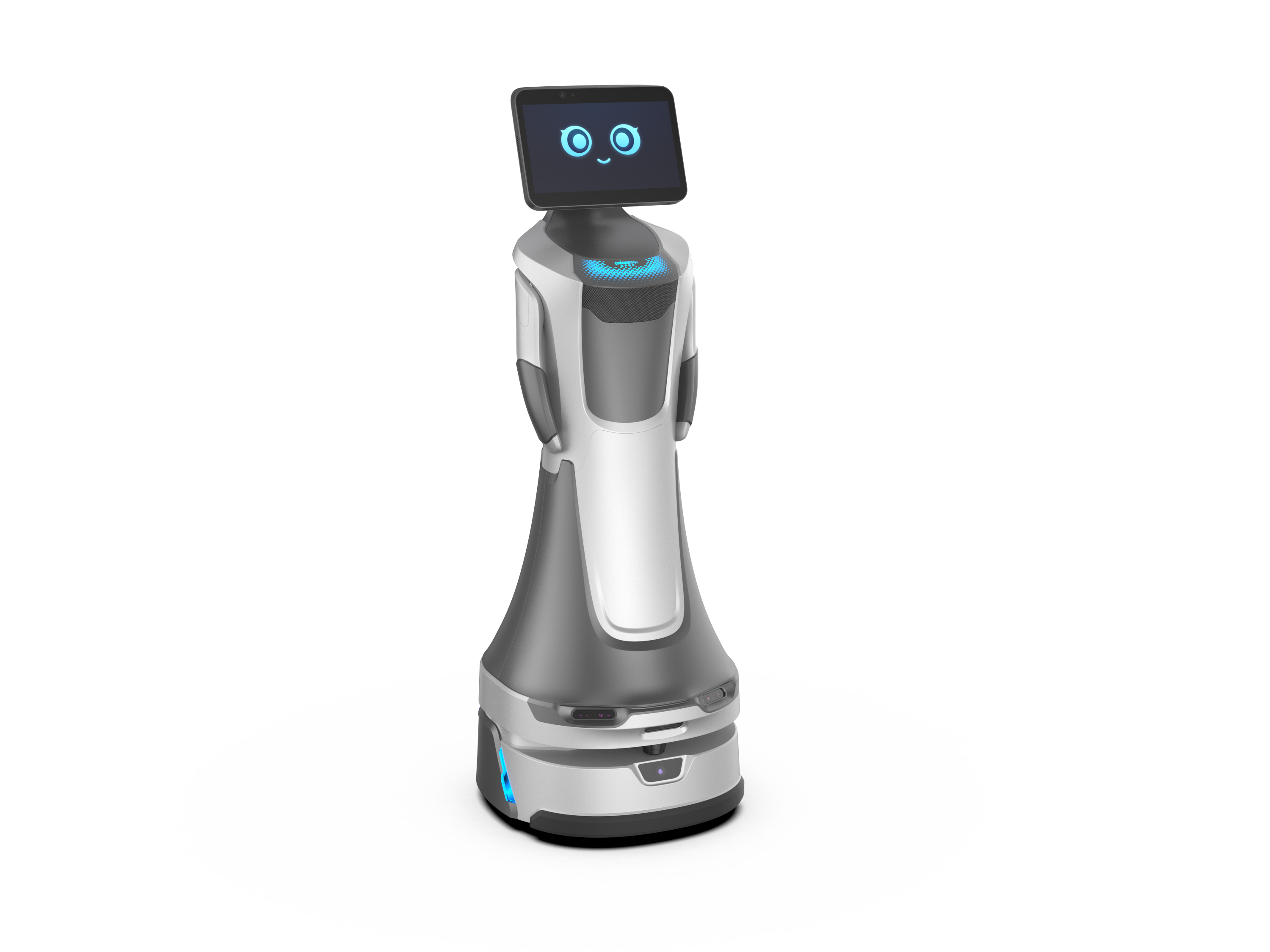
The rise of the intelligent reception robot is not simply a technological novelty — it represents a fundamental shift in how organizations design their front-of-house operations. From hotel lobbies to exhibition halls and corporate headquarters, the intelligent reception robot is replacing static reception desks with dynamic, voice-guided, always-available service units. Manufacturers of these systems are not just building machines; they are actively engineering a new standard for human-workplace interaction.
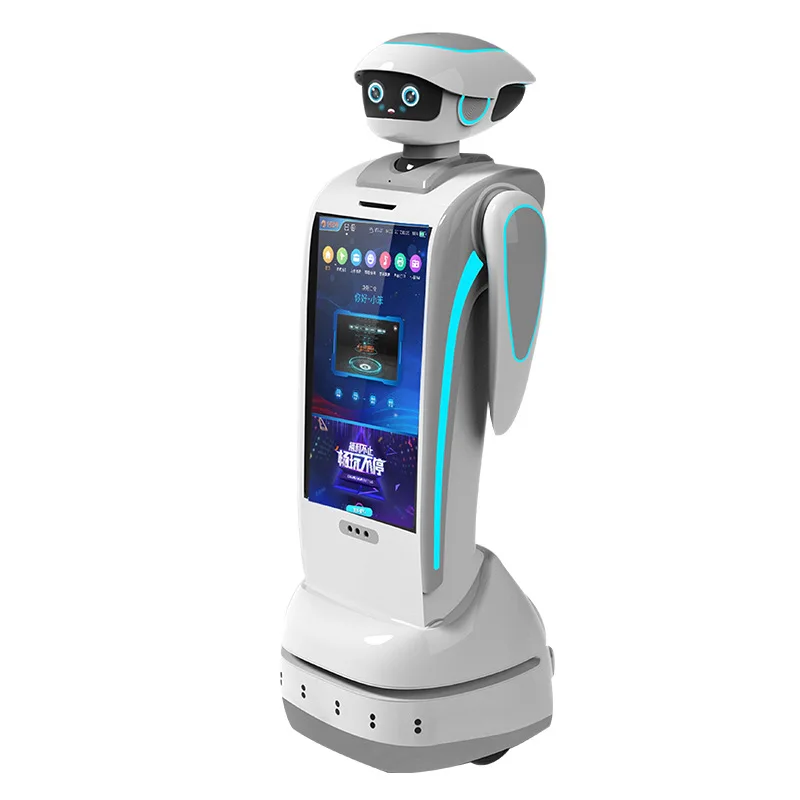
Understanding how intelligent reception robot manufacturers are shaping the future of work requires looking beyond the hardware itself. These companies are integrating artificial intelligence, natural language processing, and autonomous navigation into each intelligent reception robot they produce. The result is a workplace tool that does not just greet visitors — it guides them, answers questions, manages queues, and collects data that improves overall operational efficiency. The trajectory of this technology is steep, and manufacturers are driving it with intent.
The Industrial Logic Behind Intelligent Reception Robot Development
Why Manufacturers Prioritize AI-Driven Functionality
Every intelligent reception robot on the market today reflects a deliberate design philosophy: replace repetitive, low-value human tasks with consistent, scalable automation. Manufacturers invest heavily in voice recognition and multilingual dialogue systems so that each intelligent reception robot can interact fluently with guests from diverse backgrounds. This is not an optional feature — in global business environments, it is a competitive requirement. An intelligent reception robot that communicates clearly in multiple languages removes a significant operational barrier that human receptionists often face.
Beyond language, manufacturers engineer each intelligent reception robot to learn from interaction data. Over time, an intelligent reception robot becomes more accurate in responding to common queries, routing visitors, and flagging unusual requests. This continuous learning capability transforms the intelligent reception robot from a static tool into an evolving workplace asset. For businesses managing high visitor volumes, this adaptability directly reduces service delays and staff workload.
Autonomous Navigation as a Core Design Requirement
A stationary intelligent reception robot serves a limited function. Manufacturers have responded to this limitation by embedding autonomous navigation into modern intelligent reception robot platforms. Using LiDAR sensors, cameras, and obstacle detection algorithms, today's intelligent reception robot can escort visitors through complex building layouts without human guidance. This capability is particularly valued in large exhibition halls, hospitals, and corporate campuses where a single intelligent reception robot may need to serve multiple zones within the same shift.
Manufacturers who specialize in mobile intelligent reception robot systems understand that physical movement is inseparable from service quality. An intelligent reception robot that can walk a visitor to the correct meeting room, return to its charging station, and resume duty autonomously provides a level of reliability that no part-time human receptionist can match. This design commitment is a key reason the intelligent reception robot is gaining traction as a long-term infrastructure investment rather than a short-term novelty.
Transforming Workplace Roles Through Intelligent Reception Robot Adoption
Redefining What Front-Desk Work Means
The intelligent reception robot does not eliminate the need for human workers — it redefines what those workers do. As each intelligent reception robot absorbs routine tasks like visitor check-in, information distribution, and directional guidance, human staff are freed to focus on relationship management, complex problem-solving, and high-touch customer care. This shift is already visible in hotel groups that have deployed an intelligent reception robot at their lobbies while reassigning concierge staff to premium guest services.
Manufacturers understand this transition and build each intelligent reception robot with escalation protocols — the ability to detect when a visitor's request exceeds its capability and seamlessly transfer the interaction to a human colleague. This human-robot collaboration model is central to how manufacturers position the intelligent reception robot as a productivity multiplier rather than a job eliminator. The intelligent reception robot handles volume; humans handle complexity.
Data Collection and Workplace Intelligence
One of the most underappreciated contributions of the intelligent reception robot is the operational data it generates. Every interaction an intelligent reception robot conducts produces structured information: visitor arrival times, frequently asked questions, peak traffic periods, and service resolution rates. Manufacturers build analytics dashboards into the intelligent reception robot ecosystem so facility managers can act on this data. An intelligent reception robot is, in this sense, also a diagnostic tool — it reveals how a workplace is actually being used versus how it was designed to be used.
This data layer is what makes the intelligent reception robot a strategic asset in future-of-work planning. Organizations that deploy an intelligent reception robot gain visibility into guest flow patterns that would otherwise require dedicated staff surveys or expensive facility audits. Manufacturers who provide clean, exportable data from each intelligent reception robot give their clients a measurable return that extends far beyond simple reception automation.
The Standards Manufacturers Are Setting for Future Workplaces
Hardware and Software Integration at Scale
The intelligent reception robot is only as effective as the ecosystem surrounding it. Leading manufacturers build each intelligent reception robot to integrate with property management systems, visitor management software, and access control platforms. When an intelligent reception robot can verify a visitor's appointment, issue a digital pass, and notify the relevant host — all within a single interaction — it becomes a genuine workflow node rather than an isolated device. This systems-level thinking separates serious intelligent reception robot manufacturers from those offering simple novelty products.
Setting Long-Term Reliability Expectations
Workplace technology must perform consistently across thousands of daily interactions. Manufacturers address this by engineering each intelligent reception robot for high operational uptime, with self-charging routines, remote diagnostics, and over-the-air software updates. An intelligent reception robot that requires frequent manual maintenance undermines the very efficiency it promises. The manufacturers shaping the future of work are those who design the intelligent reception robot for real-world deployment conditions — not just controlled demonstrations.
FAQ
What industries benefit most from deploying an intelligent reception robot?
Hotels, exhibition halls, corporate offices, hospitals, and retail showrooms are among the highest-value environments for an intelligent reception robot. Any setting with high visitor volume, multilingual guest needs, or complex navigation requirements can benefit significantly from intelligent reception robot deployment.
How does an intelligent reception robot handle visitors it cannot assist?
A well-designed intelligent reception robot includes escalation logic that detects unresolved queries and transfers the interaction to a human staff member via screen, intercom, or alert notification. This ensures the intelligent reception robot does not create service gaps.
Is the intelligent reception robot a long-term investment or a short-term trend?
Given the pace of AI development and the measurable efficiency gains already documented, the intelligent reception robot is firmly a long-term workplace investment. Manufacturers continue to expand capability, reduce unit costs, and deepen enterprise integrations, reinforcing the intelligent reception robot as a durable operational tool.