
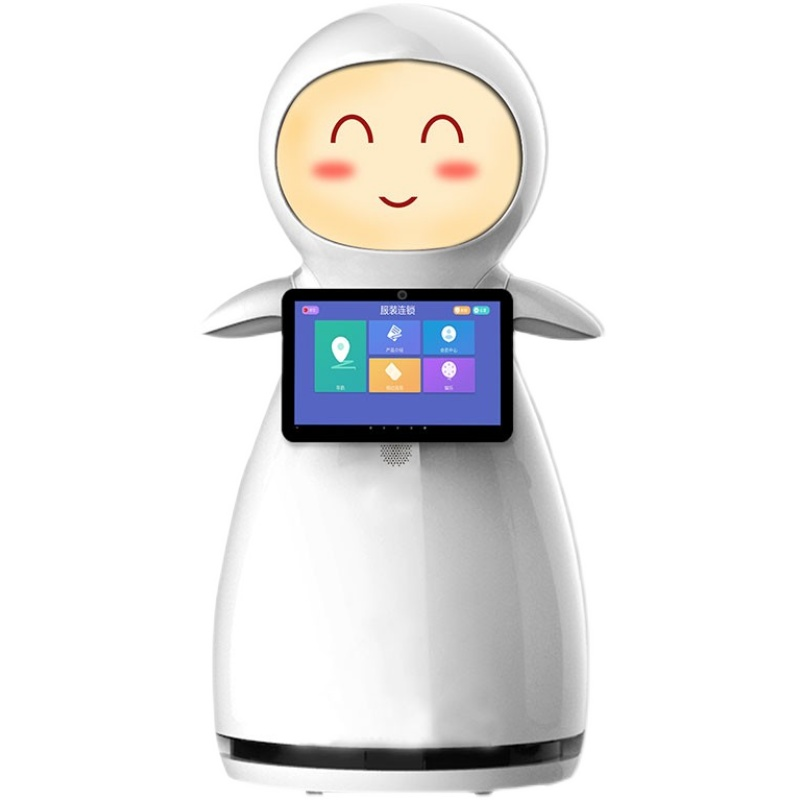
Modern commercial environments demand sophisticated solutions to manage visitor interactions and navigation challenges, particularly in complex lobby spaces where traditional static signage often falls short. The Orion Star Robot represents a revolutionary approach to addressing these challenges through cutting-edge navigation technology specifically designed for intricate commercial environments. This advanced robotic platform combines artificial intelligence, spatial mapping, and real-time positioning systems to deliver unparalleled navigation capabilities in even the most challenging lobby configurations.
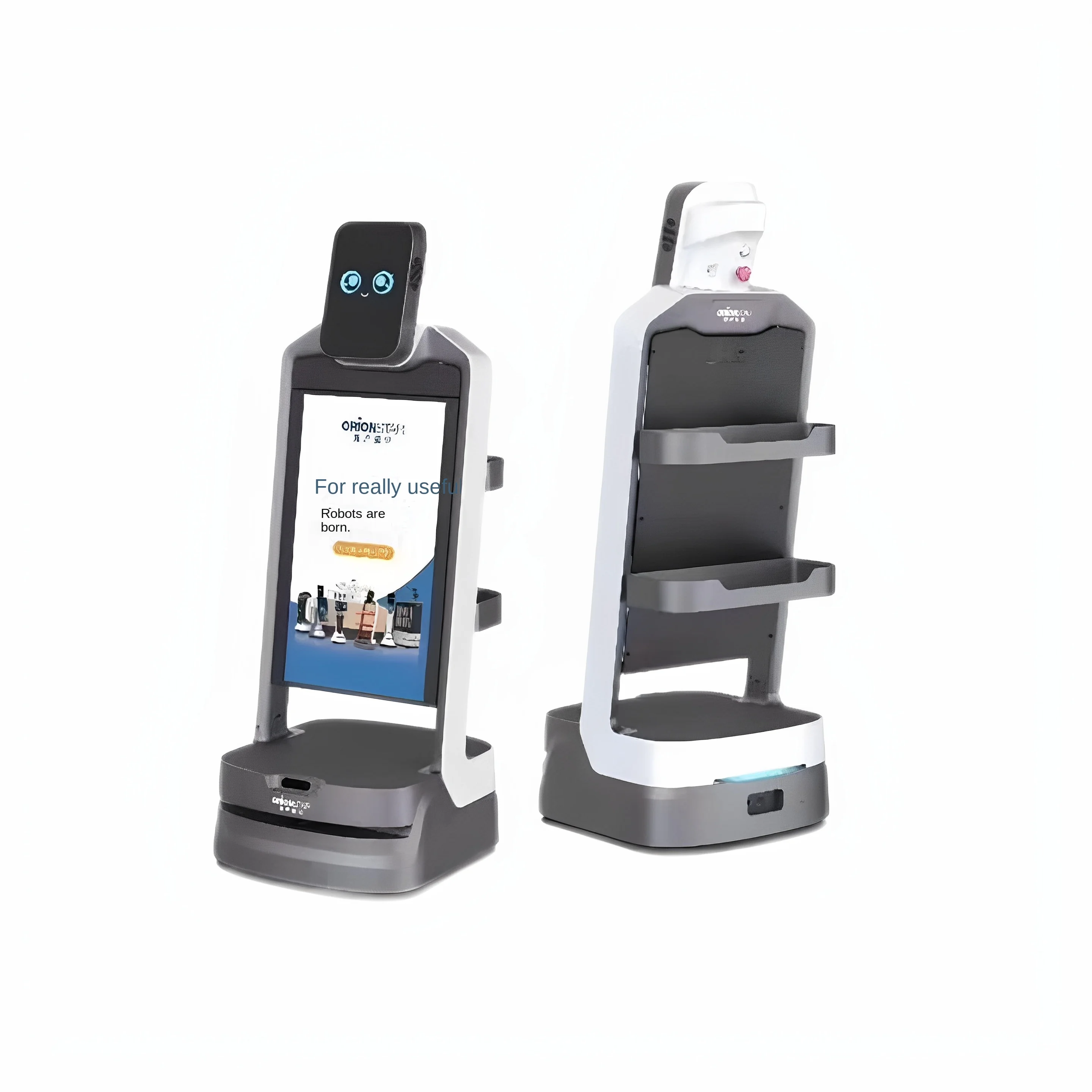
Complex lobbies present unique navigational challenges that require sophisticated technological solutions to ensure seamless movement and interaction. The Orion Star Robot addresses these challenges through its comprehensive suite of advanced features, establishing new standards for commercial robotics in demanding environments. Understanding these capabilities becomes essential for organizations seeking to enhance visitor experiences while maintaining operational efficiency in their facilities.
Simultaneous Localization and Mapping Technology
Real-Time Environmental Scanning
The Orion Star Robot employs advanced SLAM (Simultaneous Localization and Mapping) technology to continuously scan and map its surrounding environment with remarkable precision. This system utilizes multiple sensor arrays including LiDAR, depth cameras, and ultrasonic sensors to create detailed three-dimensional maps of complex lobby spaces in real-time. The robot processes this spatial data instantaneously, enabling it to navigate through crowded areas, around obstacles, and between furniture configurations with exceptional accuracy.
Environmental scanning capabilities extend beyond simple obstacle detection to include dynamic object tracking and prediction algorithms. The system can identify moving objects such as people, luggage, and other mobile elements within the lobby space, calculating their trajectories and adjusting navigation paths accordingly. This predictive capability ensures smooth movement through high-traffic areas while maintaining safe distances from individuals and equipment.
The mapping system continuously updates its environmental model, adapting to changes in furniture placement, temporary installations, or construction activities within the lobby space. This dynamic mapping capability ensures consistent navigation performance even when lobby configurations undergo modifications, making the Orion Star Robot particularly suitable for facilities that frequently reorganize their layouts.
Multi-Level Spatial Recognition
Complex lobbies often feature multiple levels, mezzanines, or elevated platforms that require sophisticated spatial recognition capabilities. The Orion Star Robot incorporates advanced height detection and multi-level mapping functionality that enables it to understand and navigate three-dimensional space effectively. This capability extends to recognizing stairs, ramps, elevators, and other vertical transition elements within the lobby environment.
The spatial recognition system maintains separate map layers for different elevation levels, ensuring accurate positioning and navigation regardless of the robot's current floor level. When operating in multi-story lobbies, the system can coordinate with elevator systems or identify appropriate pathways to reach destinations on different floors, providing comprehensive navigation guidance to visitors.
Integration with building management systems allows the robot to access floor plans, elevator schedules, and restricted access information, enhancing its ability to provide accurate directional guidance throughout complex multi-level facilities. This integration ensures that navigation recommendations consider current building conditions, maintenance schedules, and security requirements.
Adaptive Path Planning Algorithms
Dynamic Route Optimization
The Orion Star Robot utilizes sophisticated path planning algorithms that continuously optimize navigation routes based on current environmental conditions, traffic patterns, and operational requirements. These algorithms consider multiple factors including distance efficiency, crowd density, obstacle presence, and energy consumption to determine optimal pathways through complex lobby spaces.
Real-time traffic analysis enables the system to identify congested areas and automatically reroute to maintain smooth movement flow. The algorithm learns from historical traffic patterns, developing predictive models that anticipate peak usage periods and adjust navigation strategies accordingly. This intelligence ensures consistent performance during busy periods when lobby traffic reaches maximum capacity.
The optimization system also considers the robot's specific mission requirements, whether conducting security patrols, guiding visitors, or performing maintenance tasks. Different operational modes trigger appropriate algorithm modifications, ensuring that navigation behavior aligns with current objectives while maintaining safety and efficiency standards.
Obstacle Avoidance and Safety Protocols
Advanced obstacle avoidance capabilities form a critical component of the Orion Star Robot navigation system, incorporating multiple detection technologies to ensure safe operation in crowded lobby environments. The system combines computer vision, infrared sensing, and proximity detection to identify and classify obstacles ranging from static furniture to moving individuals.
Safety protocols embedded within the navigation system establish multiple protection layers, including emergency stop capabilities, collision prevention algorithms, and human detection priority systems. When the robot encounters unexpected obstacles or emergency situations, these protocols activate automatically to prevent accidents while minimizing disruption to ongoing operations.
The obstacle classification system distinguishes between different types of barriers, applying appropriate avoidance strategies for each category. Temporary obstacles like luggage or cleaning equipment receive different treatment than permanent fixtures, with the system maintaining memory of temporary object locations to improve future navigation efficiency.
Integration with Building Infrastructure
Elevator and Access Control Coordination
Seamless integration with building elevator systems represents a crucial capability for the Orion Star Robot operating in multi-floor lobby environments. The robot communicates directly with elevator control systems, requesting service, coordinating arrival times, and managing boarding procedures automatically. This integration eliminates waiting periods and ensures efficient vertical transportation when guiding visitors to destinations on different floors.
Access control integration allows the robot to understand and respect security boundaries within the facility, ensuring that navigation guidance complies with visitor access levels and restricted area policies. The system can verify visitor credentials, escort authorized individuals to secured areas, or redirect unauthorized personnel to appropriate reception points as needed.
Communication protocols with building management systems provide the robot with real-time information about facility status, including maintenance schedules, emergency conditions, and temporary access restrictions. This information integration ensures that navigation recommendations remain current and appropriate for existing building conditions.
Environmental Monitoring and Response
The Orion Star Robot incorporates environmental monitoring capabilities that enhance its navigation decision-making process while contributing to overall facility management objectives. Sensors continuously monitor air quality, temperature, humidity, and noise levels throughout the lobby space, adjusting movement patterns to avoid areas with poor environmental conditions when possible.
Environmental data collection supports facility management teams by providing detailed information about space utilization patterns, crowd density trends, and environmental condition variations throughout different areas of the lobby. This information proves valuable for optimizing HVAC systems, planning maintenance schedules, and improving overall visitor comfort levels.
Emergency response integration enables the robot to serve as an additional safety resource during critical situations, providing evacuation guidance, monitoring egress routes, and communicating with emergency response teams. The navigation system can rapidly switch to emergency mode, prioritizing safety over normal operational objectives when required.
Human-Robot Interaction in Navigation
Natural Language Processing for Directions
Advanced natural language processing capabilities enable the Orion Star Robot to understand and respond to complex directional requests from lobby visitors using conversational speech patterns. The system processes multiple languages and dialects, interpreting destination requests, landmark references, and navigation preferences to provide personalized guidance solutions.
Contextual understanding allows the robot to interpret ambiguous requests by considering visitor location, previous interactions, and common destination patterns within the facility. When visitors provide incomplete or unclear directions, the system asks clarifying questions to ensure accurate navigation guidance while maintaining natural conversation flow.
The processing system continuously learns from interaction patterns, improving its understanding of common visitor needs and developing more efficient response strategies. This learning capability enables the robot to anticipate frequent requests and provide proactive assistance to visitors before they need to ask for help.
Gesture Recognition and Physical Guidance
Sophisticated gesture recognition capabilities complement verbal communication, allowing the Orion Star Robot to interpret pointing directions, hand signals, and other physical cues from visitors seeking navigation assistance. Computer vision algorithms analyze body language and gesture patterns to understand visitor intentions and provide appropriate responses.
Physical guidance capabilities enable the robot to escort visitors to their destinations when verbal directions prove insufficient or when visitors prefer accompanied navigation. The escort function maintains appropriate social distances while providing clear visual and audio guidance signals to ensure visitors can follow comfortably through complex lobby layouts.
Accessibility features ensure that visitors with mobility challenges, visual impairments, or hearing difficulties receive appropriate navigation assistance tailored to their specific needs. The system can adjust movement speed, provide enhanced audio descriptions, or coordinate with accessibility equipment to ensure inclusive navigation support.
Performance Optimization and Learning Capabilities
Machine Learning for Route Improvement
The Orion Star Robot employs machine learning algorithms to continuously analyze navigation performance data, identifying opportunities for route optimization and efficiency improvements. Historical movement data reveals patterns in traffic flow, destination popularity, and optimal timing for various navigation tasks throughout different periods.
Learning algorithms process visitor feedback, interaction success rates, and completion times to refine navigation strategies and improve overall performance metrics. The system identifies which approaches work best for different types of visitors and situations, developing a comprehensive understanding of effective navigation assistance techniques.
Predictive modeling capabilities enable the robot to anticipate navigation challenges before they occur, pre-positioning itself in high-demand areas during peak periods and adjusting movement patterns to minimize waiting times for visitor assistance. This proactive approach significantly enhances overall lobby efficiency and visitor satisfaction levels.
Performance Analytics and Reporting
Comprehensive performance analytics provide facility managers with detailed insights into lobby traffic patterns, navigation efficiency metrics, and visitor interaction statistics. The Orion Star Robot generates reports covering movement patterns, popular destinations, peak usage periods, and system performance indicators that support data-driven facility management decisions.
Real-time monitoring capabilities allow facility staff to track robot performance, identify potential issues, and coordinate maintenance activities without disrupting ongoing operations. Dashboard interfaces provide immediate access to system status, current activities, and performance metrics that enable proactive management oversight.
Historical trend analysis reveals long-term patterns in lobby usage and navigation requirements, supporting strategic planning for facility improvements, layout modifications, and capacity management initiatives. This analytical capability transforms the robot from a simple navigation aid into a valuable source of operational intelligence for facility management teams.
FAQ
How does the Orion Star Robot handle navigation in crowded lobby environments
The Orion Star Robot utilizes advanced crowd detection algorithms and predictive movement modeling to navigate safely through crowded spaces. Its sensor array continuously monitors human movement patterns, calculating safe pathways that maintain appropriate social distances while avoiding congestion bottlenecks. The system can slow down, pause, or reroute as needed to ensure smooth operation even during peak traffic periods.
Can the Orion Star Robot navigate between different floors in multi-level lobbies
Yes, the Orion Star Robot features comprehensive multi-floor navigation capabilities through direct integration with elevator systems and building infrastructure. It can coordinate elevator requests, manage boarding procedures, and maintain accurate positioning across multiple floor levels. The system maintains separate mapping data for each floor and can provide end-to-end guidance for destinations throughout multi-story facilities.
What happens if the lobby layout changes or furniture is rearranged
The Orion Star Robot employs dynamic mapping technology that automatically detects and adapts to environmental changes in real-time. When furniture is moved or layout modifications occur, the system updates its internal maps immediately and recalculates optimal navigation paths accordingly. This adaptive capability ensures consistent performance without requiring manual reconfiguration or system downtime.
How does the robot ensure navigation accuracy in areas with poor lighting or visual obstacles
The Orion Star Robot combines multiple sensing technologies including LiDAR, infrared sensors, and ultrasonic detection that function effectively regardless of lighting conditions. This multi-modal approach ensures accurate navigation even in dimly lit areas, around visual obstructions, or during nighttime operations. The system does not rely solely on visual inputs, making it highly reliable across diverse environmental conditions.
Table of Contents
- Simultaneous Localization and Mapping Technology
- Adaptive Path Planning Algorithms
- Integration with Building Infrastructure
- Human-Robot Interaction in Navigation
- Performance Optimization and Learning Capabilities
-
FAQ
- How does the Orion Star Robot handle navigation in crowded lobby environments
- Can the Orion Star Robot navigate between different floors in multi-level lobbies
- What happens if the lobby layout changes or furniture is rearranged
- How does the robot ensure navigation accuracy in areas with poor lighting or visual obstacles