

The healthcare industry is experiencing a revolutionary transformation as hospital robots become integral to modern medical facilities. These sophisticated automated systems are enhancing patient care delivery while significantly improving operational efficiency across various hospital departments. From surgical assistance to patient transport and medication management, hospital robots are reshaping the landscape of healthcare technology and establishing new standards for medical service excellence.
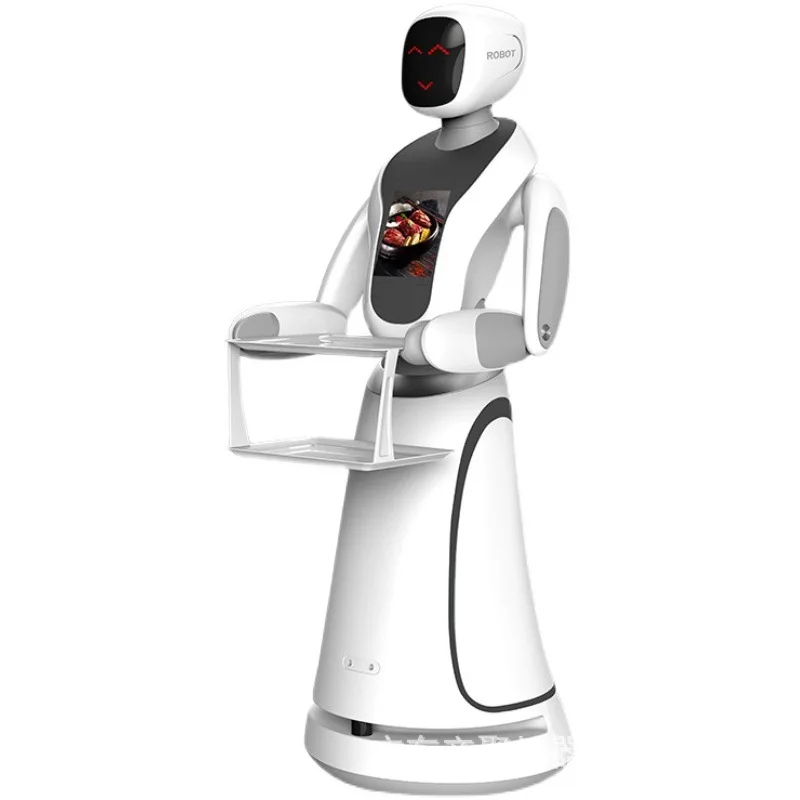
Healthcare administrators and medical professionals worldwide are recognizing the immense potential of robotic technology in addressing critical challenges such as staff shortages, infection control, and the growing demand for precision medicine. The integration of intelligent automation systems is not merely a technological upgrade but a fundamental shift toward data-driven, patient-centered care that optimizes resource utilization and minimizes human error.
Surgical Precision and Robotic Assistance
Minimally Invasive Surgical Procedures
Robotic surgical systems have transformed the operating room environment by enabling surgeons to perform complex procedures with unprecedented precision and control. These advanced systems utilize high-definition cameras, articulated instruments, and tremor-filtering technology to enhance surgical accuracy while reducing tissue trauma. The result is shorter recovery times, reduced scarring, and improved patient outcomes across various surgical specialties including cardiothoracic, urological, and gynecological procedures.
The economic benefits of robotic surgery extend beyond improved patient outcomes to include reduced hospital stays and lower complication rates. Healthcare facilities implementing surgical robotics report significant improvements in operational efficiency, with some procedures showing up to thirty percent reduction in surgery time and enhanced surgeon ergonomics that reduce fatigue during lengthy operations.
Real-Time Surgical Navigation and Imaging
Advanced robotic systems incorporate sophisticated imaging technologies that provide surgeons with real-time anatomical visualization and navigation assistance. These capabilities are particularly valuable in neurosurgery and orthopedic procedures where millimeter precision is crucial for successful outcomes. The integration of artificial intelligence algorithms enables predictive analysis and automated adjustments that further enhance surgical precision.
Hospital robots equipped with advanced imaging capabilities also facilitate better preoperative planning and intraoperative decision-making. Surgeons can visualize complex anatomical structures in three-dimensional space, anticipate potential complications, and modify surgical approaches in real-time based on patient-specific anatomical variations and physiological responses.
Patient Care and Service Enhancement
Automated Patient Monitoring Systems
Modern healthcare facilities are deploying intelligent monitoring robots that continuously track vital signs, medication adherence, and patient mobility without requiring constant human supervision. These systems utilize advanced sensors and machine learning algorithms to detect early warning signs of medical complications, enabling proactive intervention and preventing adverse events that could compromise patient safety.
The implementation of automated monitoring significantly reduces nursing workload while improving the consistency and accuracy of patient assessments. Healthcare teams can focus on direct patient interaction and complex clinical decision-making while robots handle routine monitoring tasks, resulting in enhanced job satisfaction among nursing staff and improved patient-to-nurse ratios.
Therapeutic and Rehabilitation Robotics
Rehabilitation robots are revolutionizing physical therapy and occupational therapy programs by providing consistent, measurable, and adaptive therapeutic interventions. These systems can adjust resistance levels, track progress metrics, and provide real-time feedback to both patients and therapists, ensuring optimal rehabilitation outcomes and faster recovery times.
Robotic therapy systems also enable personalized treatment protocols based on individual patient capabilities and recovery goals. The integration of gamification elements and virtual reality experiences makes rehabilitation sessions more engaging and motivating for patients, leading to better compliance and more successful long-term outcomes.
Operational Efficiency and Logistics Management
Medication Management and Distribution
Pharmaceutical robots are streamlining medication preparation, dispensing, and delivery processes throughout hospital facilities. These systems reduce medication errors by up to ninety percent while ensuring accurate dosing, proper labeling, and timely delivery to patient care areas. Automated pharmacy robots can prepare hundreds of medications per hour with precision levels impossible to achieve through manual processes.
The integration of robotic medication management systems also enhances inventory control and reduces pharmaceutical waste through precise tracking and automated reordering capabilities. Healthcare facilities report significant cost savings and improved compliance with regulatory requirements when implementing comprehensive pharmaceutical automation solutions.
Supply Chain and Material Transport
Hospital logistics robots are transforming material handling and supply chain management by autonomously transporting medical supplies, laboratory specimens, and equipment throughout healthcare facilities. These systems operate continuously without breaks, reducing labor costs and ensuring consistent supply availability across all departments and patient care areas.
Advanced navigation systems enable these robots to operate safely in busy hospital environments, automatically avoiding obstacles and coordinating with elevator systems for multi-floor operations. The implementation of transport robots allows healthcare workers to focus on patient care rather than material handling tasks, improving overall productivity and job satisfaction.
Infection Control and Sanitization
Automated Disinfection Systems
Ultraviolet disinfection robots have become essential tools in hospital infection control programs, particularly following the global health challenges that highlighted the importance of environmental sanitization. These systems can eliminate ninety-nine percent of harmful pathogens including bacteria, viruses, and fungi from patient rooms, operating theaters, and common areas without using chemical agents.
The deployment of disinfection robots enables healthcare facilities to maintain consistent sanitization standards while reducing exposure risks for environmental services staff. These systems can operate during off-hours or between patient admissions, ensuring continuous infection prevention without disrupting normal hospital operations or patient care activities.
Air Quality Management and Filtration
Robotic air quality management systems continuously monitor and optimize hospital environmental conditions by adjusting filtration, humidity, and air circulation parameters. These intelligent systems can detect airborne contaminants and automatically implement appropriate countermeasures to maintain optimal indoor air quality for patient safety and comfort.
Advanced air management robots also contribute to energy efficiency by optimizing HVAC operations based on occupancy patterns, outdoor conditions, and specific departmental requirements. Healthcare facilities implementing these systems report substantial reductions in energy costs while maintaining superior environmental quality standards required for medical operations.
Data Integration and Artificial Intelligence
Predictive Analytics and Clinical Decision Support
Modern hospital robots integrate seamlessly with electronic health record systems and clinical databases to provide comprehensive data analytics and predictive insights. These systems can identify patterns in patient data that may indicate developing complications or optimal treatment pathways, supporting clinical decision-making with evidence-based recommendations and risk assessments.
The combination of robotic data collection and artificial intelligence algorithms enables healthcare teams to implement precision medicine approaches tailored to individual patient characteristics and treatment responses. This integration results in more effective treatments, reduced adverse events, and improved overall patient outcomes across various medical specialties and care settings.
Quality Improvement and Performance Metrics
Robotic systems generate comprehensive performance data that enables healthcare administrators to identify improvement opportunities and optimize operational processes. These metrics include equipment utilization rates, patient satisfaction scores, clinical outcomes, and resource efficiency measurements that support evidence-based management decisions and continuous quality improvement initiatives.
The availability of real-time performance data allows healthcare facilities to implement rapid process adjustments and maintain competitive advantages in an increasingly quality-focused healthcare marketplace. Hospital robots equipped with advanced analytics capabilities provide the foundation for transforming healthcare delivery from reactive to proactive service models.
Economic Impact and Return on Investment
Cost Reduction and Efficiency Gains
Healthcare facilities implementing comprehensive robotic automation programs report significant cost reductions across multiple operational areas including labor, supplies, energy consumption, and liability insurance. The initial investment in robotic technology typically achieves return on investment within two to three years through improved efficiency, reduced errors, and enhanced patient throughput capabilities.
The economic benefits extend beyond direct cost savings to include revenue enhancements through improved patient satisfaction scores, reduced readmission rates, and enhanced reputation for technological innovation. Healthcare facilities with advanced robotic capabilities often attract top medical talent and patient referrals, contributing to sustained competitive advantages and market leadership.
Staffing Optimization and Workforce Development
Robotic automation enables healthcare facilities to optimize staffing models by reducing dependency on routine task performance while creating opportunities for professional development in advanced technology management and patient care specialization. Staff members can focus on complex clinical decision-making and direct patient interaction rather than repetitive administrative or logistical responsibilities.
The implementation of hospital robotics also creates new career opportunities in healthcare technology management, robotic system maintenance, and data analytics. Healthcare facilities investing in comprehensive robotics programs often develop internal expertise that becomes valuable intellectual property and competitive differentiation in the healthcare marketplace.
FAQ
How do hospital robots improve patient safety compared to traditional methods
Hospital robots enhance patient safety through consistent performance standards, elimination of human fatigue factors, and precise execution of protocols without variation. These systems reduce medication errors by up to ninety percent, prevent cross-contamination through automated disinfection, and provide continuous monitoring that enables early detection of complications. Robotic systems also maintain detailed audit trails that support quality assurance and regulatory compliance requirements.
What types of hospital robots are most commonly implemented in healthcare facilities
The most frequently deployed hospital robots include surgical assistance systems, medication dispensing and delivery robots, patient transport and logistics robots, and environmental disinfection systems. Many facilities also implement telepresence robots for remote consultation, rehabilitation robots for physical therapy programs, and specialized robots for laboratory automation and specimen processing. The selection depends on facility size, patient volume, and specific operational challenges.
How long does it typically take to implement robotic systems in hospitals
Implementation timelines vary significantly based on system complexity and facility requirements, ranging from several weeks for simple transport robots to twelve to eighteen months for comprehensive surgical robotics programs. Factors influencing implementation speed include staff training requirements, facility modifications, regulatory approvals, and integration with existing hospital information systems. Successful implementations typically involve phased rollouts with extensive staff preparation and ongoing support programs.
What are the main challenges hospitals face when adopting robotic technology
Primary implementation challenges include significant upfront capital investment, staff training and change management requirements, integration complexity with existing systems, and ongoing maintenance costs. Healthcare facilities must also address regulatory compliance, cybersecurity concerns, and patient acceptance factors. However, most facilities find that comprehensive planning, stakeholder engagement, and vendor support programs effectively address these challenges while maximizing the benefits of robotic automation.
Table of Contents
- Surgical Precision and Robotic Assistance
- Patient Care and Service Enhancement
- Operational Efficiency and Logistics Management
- Infection Control and Sanitization
- Data Integration and Artificial Intelligence
- Economic Impact and Return on Investment
-
FAQ
- How do hospital robots improve patient safety compared to traditional methods
- What types of hospital robots are most commonly implemented in healthcare facilities
- How long does it typically take to implement robotic systems in hospitals
- What are the main challenges hospitals face when adopting robotic technology