
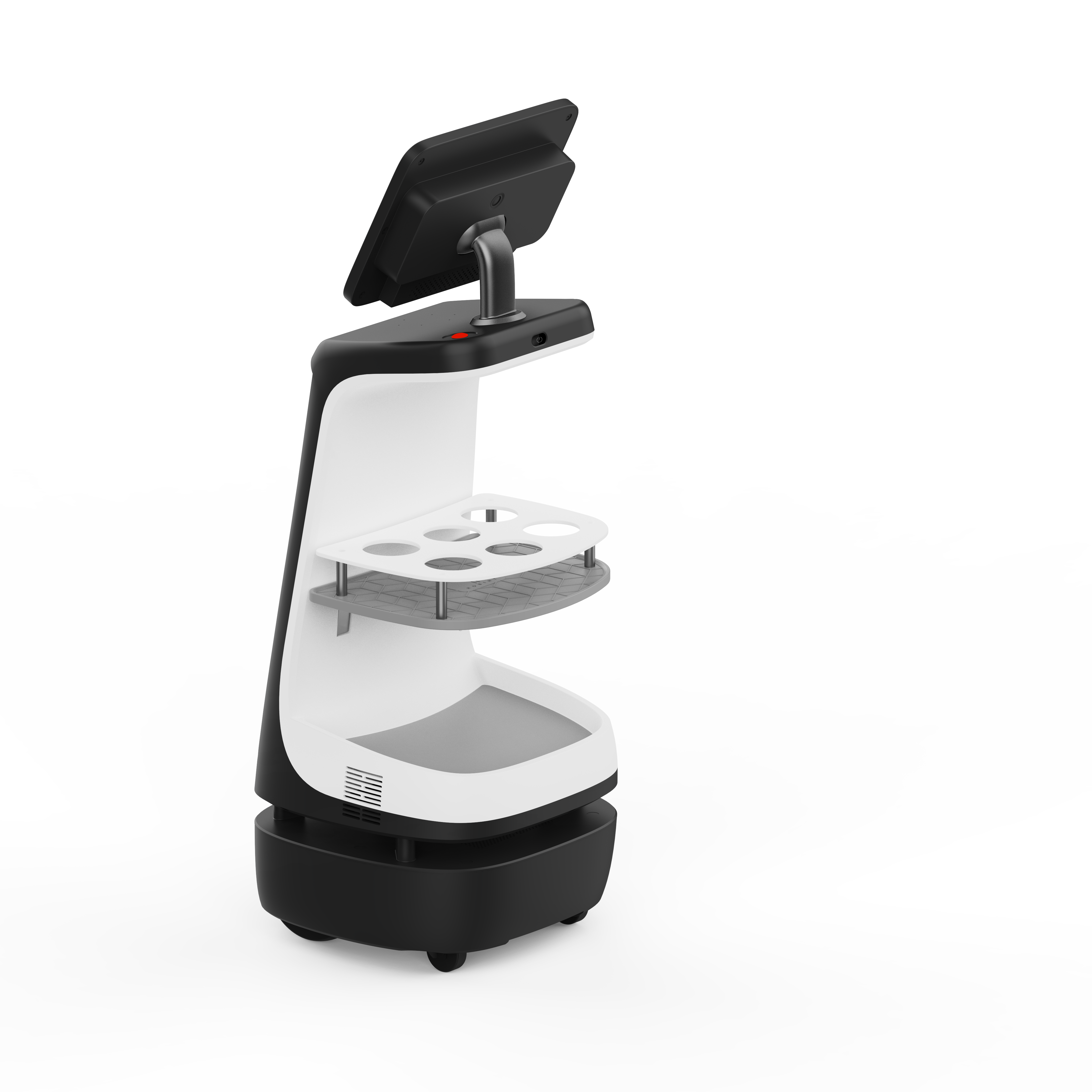
Healthcare institutions worldwide are rapidly embracing technological innovations to enhance patient care, streamline operations, and reduce costs. Among these breakthrough technologies, hospital robots have emerged as transformative solutions that are revolutionizing medical facilities across the globe. These sophisticated automated systems are designed to assist medical professionals, improve patient outcomes, and optimize hospital workflows in ways that were previously unimaginable. As healthcare demands continue to grow and staffing challenges persist, the integration of robotic technology in hospitals has become not just beneficial but essential for maintaining high-quality care standards.
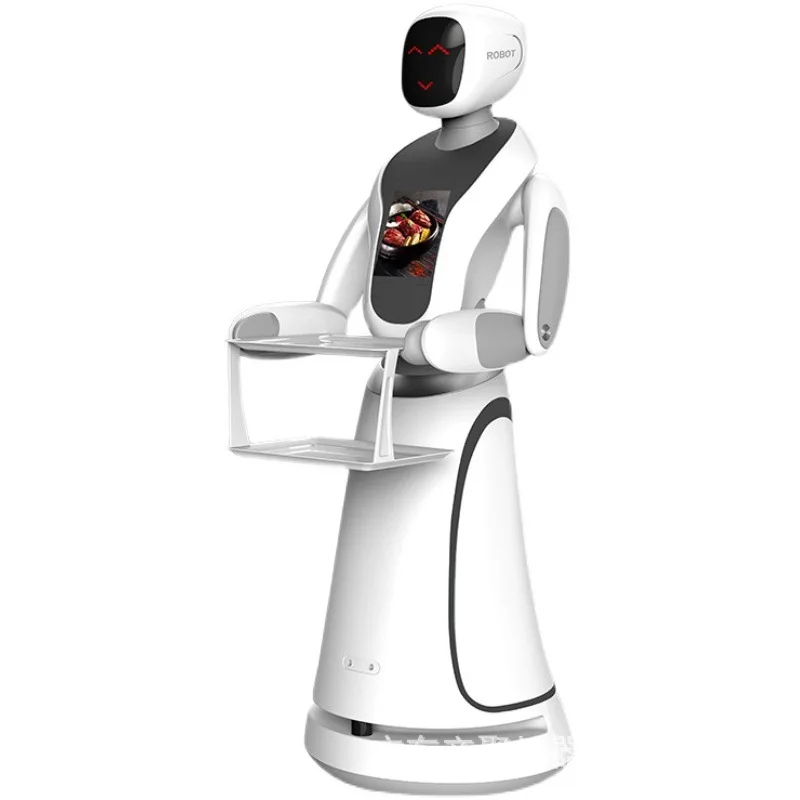
Enhanced Patient Safety and Care Quality
Precision in Medical Procedures
Modern hospital robots deliver unprecedented precision in surgical and diagnostic procedures, significantly reducing the margin for human error. These advanced systems utilize sophisticated sensors, artificial intelligence, and computer-guided navigation to perform complex tasks with millimeter-level accuracy. Surgical robots, for instance, enable minimally invasive procedures that result in smaller incisions, reduced blood loss, and faster recovery times for patients. The consistent performance of robotic systems ensures that every patient receives the same high standard of care, regardless of time of day or individual surgeon variability.
The integration of robotic technology also extends to diagnostic procedures, where automated systems can analyze medical images, laboratory samples, and patient data with remarkable accuracy. These systems can detect subtle abnormalities that might be missed by human observation alone, leading to earlier diagnosis and more effective treatment outcomes. The ability of hospital robots to process vast amounts of data simultaneously allows for comprehensive patient assessments that contribute to more informed clinical decisions.
Infection Control and Contamination Prevention
Hospital-acquired infections represent a significant challenge in healthcare facilities, but robotic systems offer powerful solutions for maintaining sterile environments. Automated disinfection robots equipped with ultraviolet light technology can eliminate harmful pathogens from patient rooms, operating theaters, and common areas with greater effectiveness than traditional cleaning methods. These systems can operate continuously without fatigue, ensuring consistent sanitization protocols that protect both patients and healthcare workers from infectious diseases.
Additionally, service robots can minimize human contact in high-risk areas by delivering medications, meals, and supplies to patient rooms without direct human-to-patient interaction. This capability proved particularly valuable during the COVID-19 pandemic, where reducing exposure risk became critical for maintaining healthcare system functionality. The consistent application of infection control protocols through robotic systems helps hospitals maintain higher safety standards while reducing the workload on clinical staff.
Operational Efficiency and Cost Reduction
Streamlined Workflow Automation
Hospital robots excel at automating routine tasks that traditionally consume significant amounts of staff time and resources. Pharmacy robots can accurately dispense medications, reducing the risk of dosage errors while freeing pharmacists to focus on patient consultation and clinical decision-making. Transportation robots efficiently move supplies, equipment, and laboratory specimens throughout the facility, ensuring that critical materials reach their destinations promptly and reliably.
The implementation of robotic workflow systems also enables hospitals to optimize their resource allocation and scheduling processes. Smart scheduling algorithms can coordinate robot activities with human staff schedules, ensuring that automated systems complement rather than compete with human workers. This integration leads to smoother operations, reduced wait times, and improved overall hospital efficiency that benefits both patients and staff members.
Long-term Financial Benefits
While the initial investment in hospital robots may seem substantial, the long-term financial benefits far outweigh the upfront costs. Robotic systems operate continuously without requiring breaks, overtime pay, or employee benefits, providing consistent productivity that translates into significant cost savings over time. The precision and reliability of robotic systems also reduce waste, minimize errors, and decrease the likelihood of costly medical complications that can result in legal liabilities.
Furthermore, the enhanced efficiency provided by robotic systems allows hospitals to increase their patient throughput without proportionally increasing their staffing costs. This improved capacity utilization helps healthcare facilities maximize their revenue potential while maintaining high standards of care. The data collection capabilities of robotic systems also provide valuable insights for optimizing hospital operations and identifying additional cost-saving opportunities.
Advanced Patient Communication and Support
Interactive Patient Engagement
Modern hospital robots are equipped with sophisticated communication interfaces that enable meaningful interactions with patients throughout their healthcare journey. These systems can provide multilingual support, ensuring that language barriers do not compromise the quality of care or patient understanding. Interactive robots can explain medical procedures, provide medication reminders, and offer educational content tailored to individual patient needs and comprehension levels.
The consistent availability of robotic communication systems ensures that patients receive timely information and support, even during busy periods when human staff may not be immediately available. This continuous accessibility helps reduce patient anxiety, improves treatment compliance, and enhances overall patient satisfaction scores. The ability of these systems to maintain detailed records of patient interactions also provides valuable data for improving care protocols and personalizing treatment approaches.
Telepresence and Remote Consultation
Telepresence robots enable remote medical consultations, allowing specialist physicians to examine and interact with patients regardless of geographical limitations. This capability is particularly valuable for hospitals in rural or underserved areas that may lack access to certain medical specialties. Remote consultation through robotic systems can significantly reduce the time required for specialist evaluations and eliminate the need for patient transfers in many cases.
The mobility and advanced sensor capabilities of telepresence robots provide remote physicians with detailed visual and auditory information about patient conditions, enabling accurate assessments and treatment recommendations. This technology has proven especially valuable during emergencies when immediate specialist input is critical but physical presence is not feasible. The integration of telepresence capabilities extends the reach of medical expertise and improves access to quality healthcare for patients in diverse locations.
Staff Support and Professional Development
Reducing Physical Strain and Workload
Healthcare workers face significant physical demands in their daily responsibilities, from lifting patients to transporting heavy equipment throughout hospital facilities. Hospital robots can assume many of these physically demanding tasks, reducing the risk of workplace injuries and helping staff maintain their health and productivity throughout their careers. Lifting and mobility assistance robots can safely move patients while minimizing the physical strain on nurses and orderlies.
The reduction in routine, repetitive tasks also allows healthcare professionals to focus their time and energy on activities that require human judgment, empathy, and clinical expertise. This shift toward more meaningful work can improve job satisfaction, reduce burnout rates, and help hospitals retain experienced staff members. The support provided by robotic systems enables healthcare workers to operate at the top of their professional capabilities rather than being overwhelmed by routine operational demands.
Training and Skill Development Opportunities
The integration of hospital robots creates new opportunities for staff training and professional development. Healthcare workers can develop valuable technical skills by learning to operate and collaborate with robotic systems, enhancing their career prospects and professional value. Many hospitals provide comprehensive training programs that help staff members become proficient in working alongside robotic colleagues.
Additionally, the data collection and analysis capabilities of robotic systems provide valuable feedback for improving clinical practices and protocols. Healthcare professionals can use this information to identify areas for improvement, validate best practices, and develop evidence-based approaches to patient care. The continuous learning opportunities provided by robotic integration help hospitals maintain cutting-edge care standards and professional excellence.
Future-Ready Healthcare Infrastructure
Scalability and Adaptability
Hospital robots offer remarkable scalability, allowing healthcare facilities to adjust their automated capabilities based on changing demands and patient volumes. Unlike human staffing, which requires lengthy recruitment and training processes, robotic systems can be rapidly deployed or reconfigured to address emerging needs. This flexibility proved invaluable during the COVID-19 pandemic when hospitals needed to quickly adapt their operations to handle surge capacity and new safety protocols.
The modular nature of many robotic systems also enables hospitals to gradually expand their automation capabilities as budgets and needs evolve. Facilities can start with basic transportation or cleaning robots and progressively add more sophisticated systems for surgical assistance, patient monitoring, or specialized care applications. This scalable approach allows hospitals to realize immediate benefits while building toward comprehensive robotic integration over time.
Data Integration and Analytics
Modern hospital robots generate vast amounts of operational and clinical data that can be integrated with existing hospital information systems to provide comprehensive insights into facility performance. This data enables evidence-based decision-making for resource allocation, process optimization, and quality improvement initiatives. The continuous monitoring capabilities of robotic systems provide real-time feedback that helps administrators identify potential issues before they impact patient care.
The predictive analytics capabilities enabled by robotic data collection also support proactive maintenance scheduling, inventory management, and capacity planning. Hospitals can use this information to optimize their operations, reduce unexpected downtime, and ensure that resources are available when and where they are needed most. The integration of robotic data with other hospital systems creates a comprehensive operational intelligence platform that supports superior management decisions.
FAQ
How do hospital robots impact employment for healthcare workers
Hospital robots complement rather than replace healthcare workers by handling routine tasks and allowing staff to focus on patient care activities that require human skills like empathy, critical thinking, and complex decision-making. While some operational roles may evolve, the overall demand for healthcare workers continues to grow, and robotic integration typically creates new job categories in robot maintenance, programming, and supervision. Studies show that hospitals using robotic systems often report improved job satisfaction among staff who can spend more time on meaningful patient interactions.
What are the main challenges in implementing hospital robots
The primary challenges include initial capital investment costs, staff training requirements, integration with existing hospital systems, and ensuring cybersecurity for connected devices. Hospitals must also consider workflow redesign to optimize human-robot collaboration and develop policies for robot maintenance and emergency protocols. However, most facilities find that comprehensive planning and phased implementation approaches help overcome these challenges while maximizing the benefits of robotic integration.
How reliable are hospital robots for critical medical tasks
Hospital robots are designed with multiple redundancy systems and fail-safe mechanisms to ensure reliable operation in critical healthcare environments. They undergo rigorous testing and certification processes before deployment and typically demonstrate higher consistency and accuracy rates than human performance for many routine tasks. However, robotic systems always operate under human supervision for critical functions, ensuring that medical professionals maintain ultimate responsibility for patient care decisions.
Can hospital robots adapt to different hospital layouts and protocols
Modern hospital robots feature advanced navigation systems and programmable interfaces that allow them to adapt to various hospital layouts and operational protocols. Many systems use machine learning algorithms to optimize their performance based on specific facility characteristics and can be reprogrammed to accommodate changes in hospital workflows or physical configurations. This adaptability makes robotic systems viable investments for hospitals of different sizes and specialties.