
The healthcare industry stands at the threshold of a technological revolution, with hospital robots emerging as powerful tools that promise to reshape patient care, operational efficiency, and medical outcomes. These sophisticated machines are no longer confined to science fiction narratives but have become tangible solutions addressing real-world challenges in modern medical facilities. From surgical precision to patient interaction, hospital robots are demonstrating remarkable capabilities that extend far beyond traditional automation, offering healthcare providers unprecedented opportunities to enhance service delivery while reducing costs and improving patient satisfaction.
Revolutionary Applications of Robotic Technology in Healthcare Settings
Surgical Precision and Minimally Invasive Procedures
Modern surgical robotics have transformed operating rooms into high-tech environments where precision meets innovation. These advanced systems enable surgeons to perform complex procedures with enhanced dexterity, improved visualization, and reduced patient trauma. The integration of robotic assistance in surgery has led to smaller incisions, decreased blood loss, and faster recovery times for patients across various medical specialties. Hospitals implementing these technologies report significant improvements in surgical outcomes and patient satisfaction scores.
The precision offered by surgical robots extends beyond human capabilities, providing steady movements and eliminating natural hand tremors that can affect delicate procedures. Advanced imaging systems integrated within these platforms offer three-dimensional visualization with magnification capabilities, allowing surgeons to navigate complex anatomical structures with unprecedented accuracy. This technological advancement has particularly revolutionized cardiac, neurological, and oncological procedures where precision is paramount.
Patient Monitoring and Care Coordination
Robotic systems designed for patient monitoring have introduced continuous surveillance capabilities that enhance safety protocols in hospital environments. These intelligent platforms can track vital signs, medication schedules, and patient mobility patterns while providing real-time alerts to healthcare staff when intervention is required. The continuous monitoring capability reduces the burden on nursing staff while ensuring that critical changes in patient conditions are immediately detected and addressed.
Advanced monitoring robots equipped with artificial intelligence can analyze patient data patterns and predict potential complications before they become critical. This predictive capability enables proactive intervention strategies that can prevent emergency situations and improve overall patient outcomes. Healthcare facilities utilizing these systems report reduced incident rates and improved patient safety metrics across multiple departments.
Operational Efficiency and Workflow Enhancement
Automated Logistics and Supply Chain Management
Hospital robots have revolutionized internal logistics by automating the transportation of medications, laboratory specimens, and medical supplies throughout healthcare facilities. These autonomous systems navigate complex hospital layouts using advanced mapping technologies, ensuring timely delivery of critical items while reducing human error and contamination risks. The implementation of robotic logistics systems has resulted in significant cost savings and improved inventory management across hospital departments.
The efficiency gains from automated logistics extend beyond simple transportation tasks. Modern robotic systems can integrate with hospital information systems to coordinate delivery schedules, track inventory levels, and generate automated reorder requests for essential supplies. This level of integration ensures that healthcare providers have access to necessary resources when needed, reducing delays in patient care and improving overall operational efficiency.
Administrative Support and Information Management
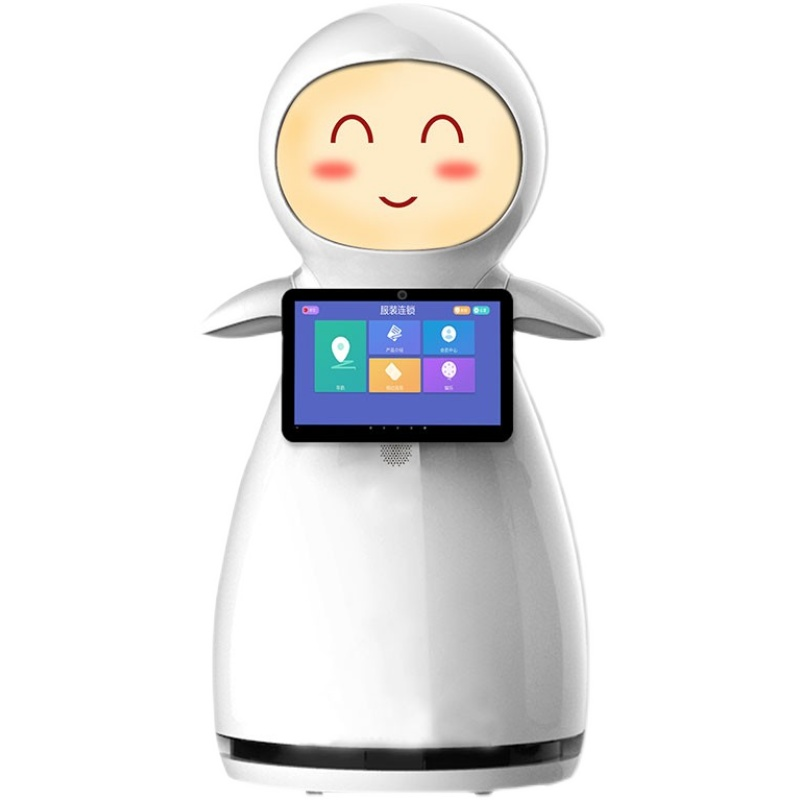
Intelligent robotic assistants are increasingly being deployed in hospital reception areas and information desks to provide initial patient guidance and administrative support. These systems can handle routine inquiries, direct patients to appropriate departments, and collect preliminary information before patients meet with healthcare professionals. The deployment of such systems reduces wait times and allows human staff to focus on more complex patient care activities.
The integration of natural language processing capabilities in administrative robots enables them to communicate effectively with patients in multiple languages, improving accessibility for diverse patient populations. These systems can access hospital databases to provide real-time information about appointment schedules, facility locations, and general hospital policies, creating a more efficient patient experience from the moment of arrival.
Patient Experience and Therapeutic Applications
Therapeutic Robotics and Rehabilitation Support
Rehabilitation robotics have opened new possibilities for patient recovery programs, offering consistent and customizable therapy sessions that adapt to individual patient needs and progress. These systems provide objective measurement of patient improvement while delivering repetitive exercises that are crucial for neurological and orthopedic recovery. The precision and consistency of robotic therapy systems often exceed human capabilities in delivering standardized treatment protocols.
Advanced therapeutic robots incorporate biofeedback mechanisms that adjust treatment intensity based on real-time patient responses, ensuring optimal challenge levels throughout rehabilitation sessions. This adaptive capability maximizes therapeutic outcomes while minimizing the risk of overexertion or injury during recovery processes. Healthcare providers report improved patient engagement and faster recovery times when utilizing robotic rehabilitation systems.
Social Interaction and Psychological Support
Companion robots designed for healthcare environments provide emotional support and social interaction for patients experiencing extended hospital stays or isolation protocols. These systems utilize sophisticated artificial intelligence to engage patients in meaningful conversations, entertainment activities, and educational programs that promote mental well-being during treatment periods. The psychological benefits of robotic companionship have shown measurable improvements in patient mood and treatment compliance.
The implementation of hospital robots for social support extends to pediatric care where interactive robots help reduce anxiety and fear associated with medical procedures. These systems can distract young patients during treatments while providing educational content about their conditions in age-appropriate formats, significantly improving the overall hospital experience for children and their families.
Economic Impact and Cost-Benefit Analysis
Return on Investment Considerations
The financial implications of implementing robotic systems in healthcare settings present compelling arguments for adoption when considering long-term operational benefits. Initial capital investments in hospital robots are offset by reduced labor costs, improved efficiency, and decreased error rates that translate into significant savings over time. Healthcare administrators report measurable returns on investment within two to three years of implementation when robotic systems are properly integrated into existing workflows.
Cost-benefit analyses reveal that robotic automation reduces overtime expenses, worker compensation claims, and training costs associated with high-turnover positions in healthcare facilities. The consistency and reliability of robotic systems eliminate variability in service delivery while reducing the need for temporary staffing solutions during peak demand periods or staff shortages.
Quality Improvement and Risk Reduction
The implementation of hospital robots contributes to measurable improvements in quality metrics while simultaneously reducing liability risks associated with human error. Automated systems provide consistent documentation, standardized procedures, and traceable processes that enhance compliance with regulatory requirements and accreditation standards. These quality improvements translate into improved reimbursement rates and reduced penalties from regulatory agencies.
Risk reduction benefits extend to infection control where robotic systems can maintain sterile protocols more consistently than human operators. Automated disinfection robots and contactless service delivery systems have become particularly valuable in preventing healthcare-associated infections, resulting in reduced treatment costs and improved patient outcomes that benefit both patients and healthcare providers.
Future Prospects and Technological Advancement
Artificial Intelligence Integration and Machine Learning
The next generation of hospital robots will incorporate advanced artificial intelligence capabilities that enable continuous learning and adaptation to specific healthcare environments. Machine learning algorithms will allow these systems to optimize their performance based on historical data, patient preferences, and institutional protocols, creating increasingly sophisticated and personalized healthcare delivery mechanisms.
Predictive analytics integrated into robotic platforms will enable proactive healthcare interventions by identifying patterns in patient data that indicate potential complications or treatment opportunities. This capability will transform reactive healthcare models into preventive care strategies that improve outcomes while reducing costs associated with emergency interventions and extended hospital stays.
Interconnected Healthcare Ecosystems
Future hospital robots will operate as components of integrated healthcare ecosystems where multiple robotic systems communicate and coordinate activities to optimize patient care delivery. These interconnected networks will enable seamless information sharing, coordinated scheduling, and synchronized operations that maximize efficiency while minimizing disruptions to patient care activities.
The development of standardized communication protocols for healthcare robotics will facilitate interoperability between different manufacturers and system types, creating flexible and scalable solutions that can adapt to evolving healthcare needs. This standardization will reduce implementation costs and improve the overall effectiveness of robotic systems in healthcare environments.
FAQ
How do hospital robots improve patient safety compared to traditional methods
Hospital robots enhance patient safety through consistent protocol adherence, elimination of human error factors, and continuous monitoring capabilities. These systems provide standardized procedures, accurate medication delivery, and real-time alerting mechanisms that detect potential safety issues before they become critical. The precision and reliability of robotic systems significantly reduce the incidence of medical errors while improving overall patient outcomes.
What are the main challenges in implementing robotic systems in healthcare facilities
The primary challenges include initial capital investment requirements, staff training needs, and integration with existing hospital information systems. Healthcare facilities must also address regulatory compliance requirements, maintenance protocols, and workflow modifications to accommodate robotic systems. However, proper planning and phased implementation strategies can effectively address these challenges while maximizing the benefits of robotic automation.
Can hospital robots replace human healthcare workers in patient care
Hospital robots are designed to augment and support human healthcare workers rather than replace them entirely. These systems excel at routine tasks, data collection, and standardized procedures, allowing human staff to focus on complex decision-making, emotional support, and specialized patient care activities that require human judgment and empathy. The optimal healthcare environment combines robotic efficiency with human expertise and compassion.
How do patients typically respond to interactions with hospital robots
Patient acceptance of hospital robots varies by demographic and application, but studies consistently show positive responses when systems are properly introduced and integrated into care protocols. Younger patients and those familiar with technology tend to embrace robotic interactions more readily, while older patients may require additional support during initial encounters. Proper staff training and patient education significantly improve acceptance rates and overall satisfaction with robotic healthcare services.
Table of Contents
- Revolutionary Applications of Robotic Technology in Healthcare Settings
- Operational Efficiency and Workflow Enhancement
- Patient Experience and Therapeutic Applications
- Economic Impact and Cost-Benefit Analysis
- Future Prospects and Technological Advancement
-
FAQ
- How do hospital robots improve patient safety compared to traditional methods
- What are the main challenges in implementing robotic systems in healthcare facilities
- Can hospital robots replace human healthcare workers in patient care
- How do patients typically respond to interactions with hospital robots