
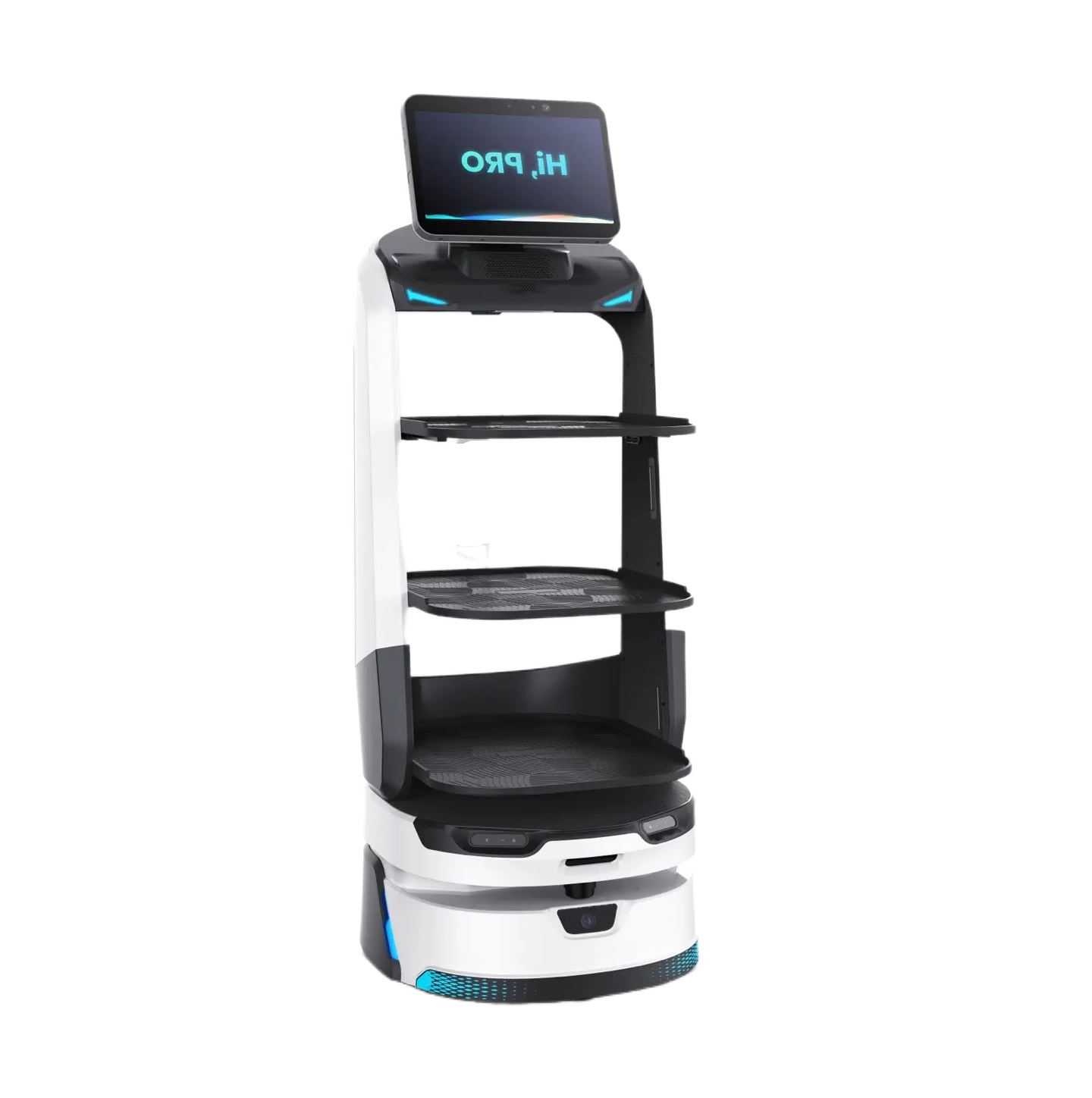
The healthcare industry has witnessed remarkable technological advancements in recent decades, with medical robots emerging as transformative tools that enhance surgical precision and operational efficiency. These sophisticated machines are revolutionizing patient care by providing surgeons with unprecedented accuracy, reducing human error, and enabling minimally invasive procedures that result in faster recovery times. From robotic surgical systems to automated pharmacy dispensers, medical robots are becoming integral components of modern healthcare facilities worldwide, supporting medical professionals in delivering superior patient outcomes while optimizing workflow efficiency.
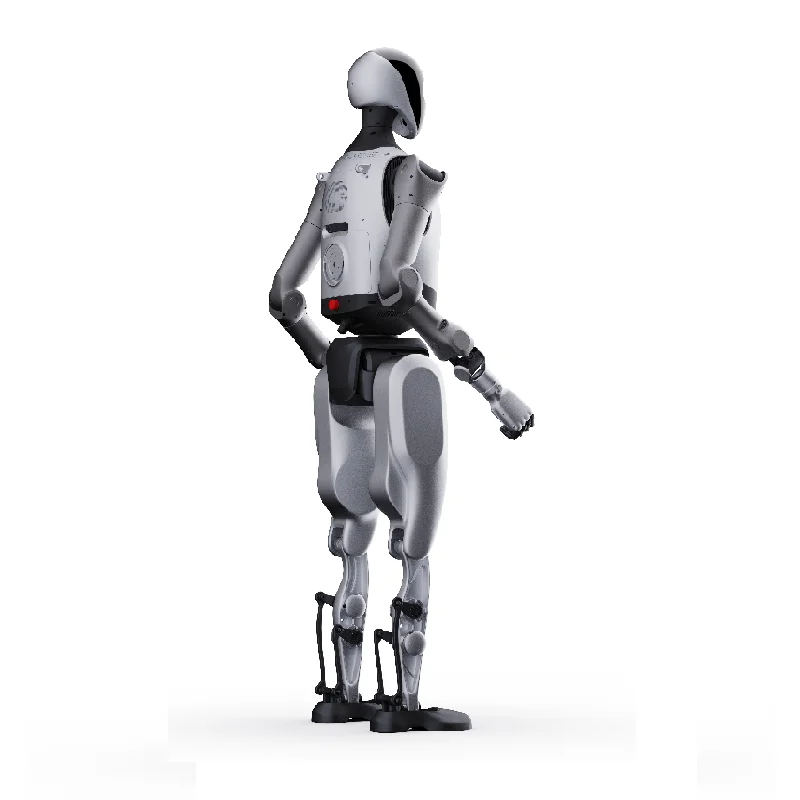
Revolutionary Applications in Modern Surgery
Precision-Guided Surgical Interventions
Contemporary surgical suites increasingly rely on robotic systems to perform complex procedures with millimeter-level precision. These advanced platforms translate surgeon movements into micro-precise actions, effectively filtering out hand tremors and enabling operations in confined anatomical spaces. Robotic surgical systems provide enhanced visualization through high-definition 3D cameras, allowing surgeons to navigate delicate tissues with confidence and accuracy previously unattainable through traditional open surgery methods.
The integration of haptic feedback technology further enhances surgical capabilities by providing tactile sensations that help surgeons gauge tissue resistance and pressure application. This sensory input proves invaluable during procedures requiring delicate manipulation of organs, blood vessels, or neural structures. Medical professionals report significantly improved dexterity and control when operating robotic systems, leading to reduced operative times and enhanced patient safety profiles across various surgical specialties.
Minimally Invasive Procedure Enhancement
Robotic assistance has transformed minimally invasive surgery from a specialized technique to a standard practice across numerous medical disciplines. These systems enable surgeons to perform complex operations through small incisions, dramatically reducing tissue trauma and post-operative complications. Patients benefit from decreased pain levels, shortened hospital stays, and faster return to normal activities compared to traditional open surgical approaches.
The precision offered by medical robots proves particularly valuable in procedures requiring intricate suturing, tissue manipulation, and organ reconstruction. Advanced robotic platforms incorporate sophisticated algorithms that compensate for physiological movements such as breathing and heartbeat, ensuring consistent accuracy throughout lengthy procedures. This technological capability enables surgeons to maintain optimal performance levels even during extended operations, reducing fatigue-related errors and improving overall surgical outcomes.
Diagnostic and Therapeutic Support Systems
Advanced Imaging Integration
Modern medical robots seamlessly integrate with diagnostic imaging systems to provide real-time guidance during procedures and treatments. These platforms combine computed tomography, magnetic resonance imaging, and ultrasound data to create comprehensive three-dimensional anatomical maps that guide robotic instruments with exceptional accuracy. This integration enables precise targeting of tumors, accurate placement of implants, and optimal navigation through complex anatomical structures.
The fusion of imaging technologies with robotic systems has revolutionized interventional radiology and radiation therapy delivery. Medical robots can automatically adjust treatment parameters based on real-time imaging feedback, ensuring optimal dose distribution while minimizing exposure to healthy tissues. This capability proves particularly valuable in treating mobile targets such as lung tumors that move with respiratory cycles, where traditional manual approaches often struggle to maintain consistent accuracy.
Automated Laboratory Processing
Laboratory automation through medical robots has significantly enhanced diagnostic efficiency and accuracy while reducing human error in sample processing. These systems handle routine tasks such as specimen sorting, pipetting, and analysis preparation with consistent precision, freeing laboratory technicians to focus on complex analytical work and result interpretation. Automated systems process thousands of samples daily with minimal supervision, dramatically improving laboratory throughput and reducing turnaround times for critical test results.
Quality control measures embedded within robotic laboratory systems ensure consistent sample handling and reduce contamination risks associated with manual processing. These platforms maintain detailed audit trails for every processed specimen, enhancing traceability and regulatory compliance. The standardization achieved through robotic automation eliminates variability between different technicians and shifts, resulting in more reliable diagnostic results and improved patient care quality.
Patient Care and Rehabilitation Applications
Therapeutic Rehabilitation Systems
Rehabilitation robotics has emerged as a powerful tool for restoring mobility and function in patients recovering from strokes, spinal injuries, and neurological conditions. These sophisticated devices provide controlled, repetitive therapy sessions that promote neural plasticity and motor skill recovery. Medical robots can adjust therapy intensity and complexity based on individual patient progress, ensuring optimal rehabilitation outcomes while preventing overexertion or injury.
Advanced rehabilitation robots incorporate biofeedback systems that monitor muscle activity, joint angles, and movement patterns to provide real-time corrections and encouragement to patients. This immediate feedback accelerates learning and helps patients develop proper movement techniques more effectively than traditional therapy methods. The consistent availability of robotic therapy systems also addresses staffing challenges in rehabilitation facilities, ensuring patients receive adequate therapy time regardless of therapist availability.
Patient Monitoring and Care Assistance
Autonomous mobile robots are increasingly deployed in healthcare facilities to support patient monitoring and basic care tasks. These systems can patrol hospital corridors, check on patients, deliver medications, and alert nursing staff to emergencies or unusual conditions. Advanced sensor arrays enable these robots to monitor vital signs, detect falls, and assess patient comfort levels without requiring direct human intervention.
The implementation of care assistance robots has proven particularly valuable in managing infectious disease outbreaks, where minimizing human contact helps prevent transmission while maintaining quality care standards. These platforms can perform routine checks, deliver supplies, and provide basic communication services, allowing healthcare workers to focus on critical care activities while reducing exposure risks. Patient acceptance of robotic care assistance continues to improve as technology becomes more sophisticated and user-friendly.
Operational Efficiency and Workflow Optimization
Supply Chain Management
Medical robots have revolutionized hospital supply chain management by automating inventory tracking, medication dispensing, and equipment distribution. These systems maintain real-time inventory databases, automatically reorder supplies when levels drop below predetermined thresholds, and ensure proper storage conditions for sensitive medical products. Robotic pharmacy systems reduce medication errors by eliminating manual dispensing mistakes and maintaining accurate patient-specific medication profiles.
Autonomous transport robots navigate hospital corridors to deliver supplies, specimens, and equipment between departments without human intervention. These platforms optimize delivery routes, avoid obstacles, and operate continuously without fatigue, significantly improving operational efficiency. The implementation of robotic logistics systems has reduced staff workload, minimized delivery delays, and enhanced overall hospital workflow coordination across multiple departments and service areas.
Data Management and Documentation
Robotic systems excel at capturing and processing vast amounts of clinical data with exceptional accuracy and consistency. Medical robots automatically document procedure parameters, patient responses, and treatment outcomes, creating comprehensive electronic health records that support evidence-based medicine and quality improvement initiatives. This automated documentation capability reduces administrative burden on healthcare providers while ensuring complete and accurate medical records.
The integration of artificial intelligence with medical robots enables predictive analytics that help identify potential complications, optimize treatment protocols, and improve resource allocation decisions. These systems analyze patterns in patient data to suggest personalized treatment approaches and alert healthcare providers to emerging health trends or risk factors. The continuous learning capabilities of advanced medical robots contribute to ongoing improvement in clinical decision-making and patient care quality.
Future Developments and Emerging Technologies
Artificial Intelligence Integration
The convergence of artificial intelligence with medical robots promises to unlock unprecedented capabilities in healthcare delivery and patient care. Machine learning algorithms enable robotic systems to adapt to individual patient characteristics, learn from clinical experiences, and continuously improve performance over time. These intelligent platforms will eventually provide personalized treatment recommendations, predict optimal surgical approaches, and assist in complex diagnostic decisions.
Natural language processing capabilities allow medical robots to interact more effectively with healthcare providers and patients, facilitating seamless communication and reducing technology adoption barriers. Voice-controlled robotic systems enable hands-free operation during sterile procedures, while intelligent chatbot interfaces help patients understand treatment plans and provide emotional support during recovery periods. The evolution toward more intuitive human-robot interaction will accelerate adoption rates and improve user satisfaction across healthcare settings.
Nanotechnology and Microsurgery Applications
Emerging nanotechnology applications in medical robotics are pushing the boundaries of precision medicine and targeted therapy delivery. Microscopic robots capable of navigating blood vessels and cellular environments represent the next frontier in minimally invasive treatment approaches. These systems will enable targeted drug delivery, precise cellular repairs, and real-time monitoring of physiological processes at the molecular level.
The development of self-assembling robotic systems and biodegradable medical robots opens new possibilities for temporary implants and automated healing processes. These advanced platforms could perform cellular repairs, deliver therapeutic agents directly to diseased tissues, and dissolve harmlessly after completing their medical missions. The integration of nanotechnology with traditional medical robots will create hybrid systems capable of operating across multiple scales, from organ-level procedures to cellular interventions.
FAQ
What types of medical procedures commonly use robotic assistance
Robotic assistance is widely employed in various surgical specialties including cardiac surgery, urology, gynecology, orthopedics, and neurosurgery. Common procedures include prostatectomies, hysterectomies, joint replacements, spine surgeries, and complex cardiac interventions. Medical robots are also extensively used in diagnostic procedures, rehabilitation therapy, pharmacy automation, and patient monitoring applications across diverse healthcare settings.
How do medical robots improve patient safety compared to traditional methods
Medical robots enhance patient safety through several mechanisms including elimination of hand tremors, precise instrument control, enhanced visualization capabilities, and consistent performance standards. These systems reduce human error rates, minimize tissue damage through smaller incisions, and provide real-time monitoring of critical parameters during procedures. Additionally, robotic systems maintain detailed procedure logs that support quality improvement initiatives and help identify potential safety concerns.
What training requirements exist for healthcare professionals using medical robots
Healthcare professionals must complete comprehensive training programs that include theoretical knowledge, simulation exercises, and supervised clinical practice before operating medical robots independently. Training requirements vary by system complexity and clinical application, typically ranging from several days to weeks of intensive instruction. Ongoing competency assessments and continuing education ensure healthcare providers maintain proficiency with evolving robotic technologies and safety protocols.
How cost-effective are medical robots compared to traditional healthcare approaches
While initial investment costs for medical robots are substantial, long-term economic benefits include reduced complications, shorter hospital stays, decreased readmission rates, and improved operational efficiency. Cost-effectiveness varies by application and clinical setting, with high-volume facilities typically achieving better return on investment. Many healthcare institutions report significant savings through reduced staffing needs, improved patient throughput, and enhanced quality outcomes that justify robotic system investments over time.
Table of Contents
- Revolutionary Applications in Modern Surgery
- Diagnostic and Therapeutic Support Systems
- Patient Care and Rehabilitation Applications
- Operational Efficiency and Workflow Optimization
- Future Developments and Emerging Technologies
-
FAQ
- What types of medical procedures commonly use robotic assistance
- How do medical robots improve patient safety compared to traditional methods
- What training requirements exist for healthcare professionals using medical robots
- How cost-effective are medical robots compared to traditional healthcare approaches