
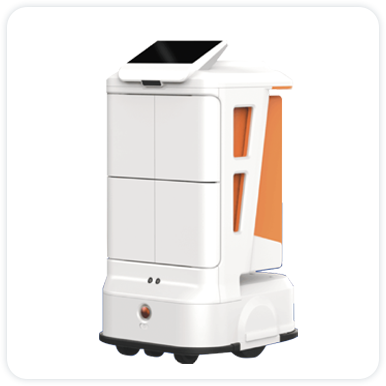
Modern healthcare systems face unprecedented challenges in medication management, with human error in pharmaceutical dispensing posing significant risks to patient safety. The integration of pharmacy robots into healthcare facilities represents a transformative solution that addresses these critical concerns while enhancing operational efficiency. These advanced automated systems are revolutionizing how medications are stored, retrieved, and dispensed, creating safer environments for both patients and healthcare professionals.
The pharmaceutical industry has witnessed remarkable technological advancement over the past decade, with automation becoming increasingly sophisticated and accessible. Healthcare facilities worldwide are recognizing that implementing robotic solutions can dramatically reduce medication errors while streamlining workflow processes. Traditional manual dispensing methods, while still prevalent, are gradually being supplemented or replaced by these intelligent systems that offer unprecedented precision and reliability.
Understanding Pharmacy Robot Technology
Core Components and Design Principles
Pharmacy robots incorporate multiple sophisticated technologies working in harmony to create seamless medication management systems. These machines utilize advanced computer vision, precise mechanical components, and intelligent software algorithms to identify, handle, and dispense medications with exceptional accuracy. The integration of barcode scanning, weight verification, and optical character recognition ensures that every medication interaction is thoroughly validated before completion.
The mechanical design of these systems prioritizes both precision and reliability, featuring robotic arms with multiple degrees of freedom and specialized gripping mechanisms adapted for various pharmaceutical packaging types. Environmental controls within the robotic systems maintain optimal storage conditions for different medication categories, including temperature-sensitive compounds and controlled substances requiring enhanced security protocols.
Software Integration and Data Management
Modern pharmacy robots seamlessly integrate with existing hospital information systems, electronic health records, and pharmacy management software platforms. This connectivity enables real-time inventory tracking, automated reordering processes, and comprehensive audit trails for regulatory compliance. The software components continuously monitor system performance, medication levels, and dispensing patterns to optimize operational efficiency.
Advanced analytics capabilities within these systems provide valuable insights into medication usage patterns, helping healthcare administrators make informed decisions about inventory management and resource allocation. Machine learning algorithms continuously improve system performance by analyzing historical data and adapting to changing operational requirements.
Accuracy Improvements Through Automation
Elimination of Human Error Factors
Traditional medication dispensing processes are susceptible to various human error factors, including fatigue, distraction, similar packaging confusion, and calculation mistakes. Pharmacy robots address these vulnerabilities by implementing standardized verification protocols that remain consistent regardless of external circumstances. Every medication selection undergoes multiple automated verification steps, significantly reducing the probability of dispensing errors.
The automated systems maintain consistent performance levels throughout extended operational periods, eliminating variations in accuracy that typically occur during shift changes or high-stress situations. This reliability is particularly crucial in hospital environments where medication errors can have severe consequences for patient safety and treatment outcomes.
Multi-Layer Verification Systems
Advanced pharmacy robots implement sophisticated multi-layer verification protocols that exceed traditional manual checking procedures. These systems simultaneously verify medication identity through barcode scanning, visual inspection, weight measurement, and dimensional analysis. Each verification layer serves as an independent checkpoint, creating redundant safety mechanisms that dramatically reduce error probability.
The integration of artificial intelligence enables these systems to learn from previous interactions and identify potential issues before they become problems. Pattern recognition algorithms can detect unusual medication requests, dosage anomalies, or potential drug interactions, alerting pharmacy staff to review orders before dispensing occurs.
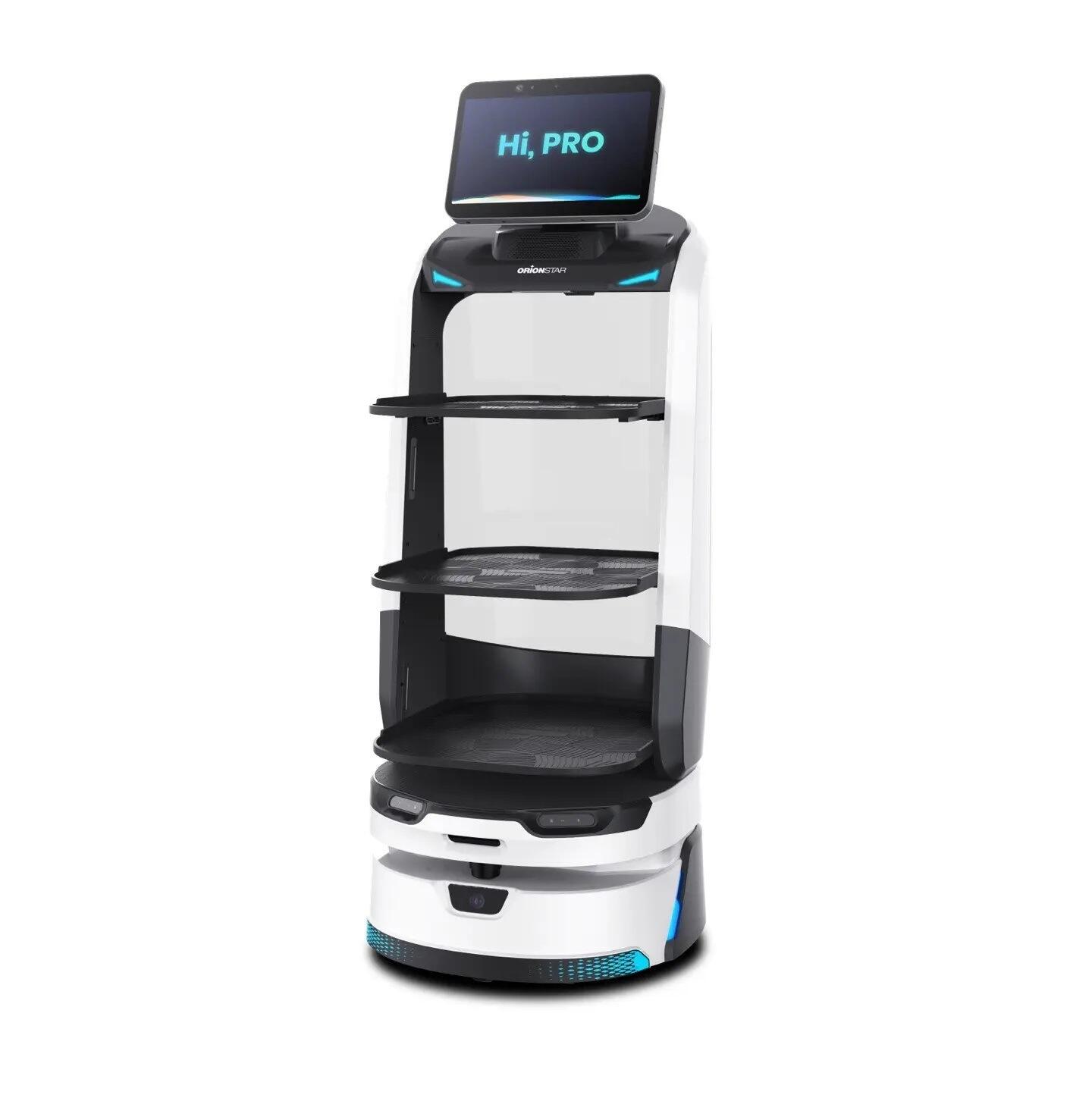
Operational Efficiency and Workflow Enhancement
Speed and Throughput Improvements
Pharmacy robots significantly enhance operational efficiency by processing medication requests faster than traditional manual methods while maintaining superior accuracy levels. These systems can simultaneously handle multiple prescription orders, prioritize urgent requests, and optimize dispensing sequences to maximize throughput. The continuous operation capability of robotic systems ensures consistent service availability, particularly valuable during peak demand periods.
Automated inventory management capabilities reduce the time pharmacy staff spend on routine tasks, allowing healthcare professionals to focus on patient counseling and clinical responsibilities. The systems automatically track medication usage, generate reorder alerts, and maintain optimal stock levels without manual intervention, streamlining the entire pharmaceutical supply chain.
Integration with Healthcare Systems
Modern healthcare facilities benefit from seamless integration between pharmacy robots and broader healthcare information systems. This connectivity enables automatic order processing from electronic prescriptions, real-time communication with nursing stations, and coordinated medication scheduling aligned with patient treatment plans. The integration reduces manual data entry requirements and minimizes communication errors between departments.
The systems maintain comprehensive electronic records of all transactions, creating detailed audit trails that support regulatory compliance and quality assurance programs. These records provide valuable data for medication utilization studies, cost analysis, and operational optimization initiatives.
Safety Features and Risk Mitigation
Advanced Security Protocols
Pharmacy robots incorporate sophisticated security features designed to prevent unauthorized access and ensure controlled substance management compliance. Biometric access controls, encrypted communication protocols, and tamper-evident storage compartments protect valuable medications while maintaining strict chain-of-custody documentation. These security measures exceed traditional pharmacy storage requirements and provide enhanced protection against theft or diversion.
The systems continuously monitor access attempts, unusual activity patterns, and inventory discrepancies, generating alerts when potential security issues are detected. Automated documentation of all interactions creates comprehensive audit trails that support regulatory compliance and internal quality assurance programs.
Environmental Control and Medication Preservation
Environmental control systems within pharmacy robots maintain optimal storage conditions for various medication categories, including temperature-sensitive compounds, light-sensitive preparations, and humidity-controlled environments. These controlled conditions extend medication shelf life and preserve therapeutic effectiveness, reducing waste and ensuring patient safety.
Monitoring systems continuously track environmental parameters and generate alerts when conditions deviate from specified ranges. This proactive approach prevents medication degradation and ensures consistent therapeutic efficacy for all dispensed pharmaceuticals.
Cost-Benefit Analysis and Return on Investment
Operational Cost Reductions
Implementation of pharmacy robots generates significant operational cost savings through reduced medication errors, decreased waste, and improved inventory management. The elimination of dispensing errors reduces costs associated with adverse drug events, patient harm, and potential litigation. Automated inventory optimization minimizes medication waste due to expiration and reduces carrying costs for excess stock.
Labor cost optimization occurs as pharmacy staff can focus on clinical activities rather than routine dispensing tasks. While initial implementation requires investment, the long-term operational savings typically justify the expenditure within reasonable payback periods.
Quality Improvements and Patient Outcomes
Enhanced medication accuracy through robotic dispensing directly improves patient outcomes by ensuring correct medications reach intended recipients at appropriate dosages. Reduced medication errors decrease hospital readmissions, treatment complications, and overall healthcare costs. The consistency and reliability of automated systems contribute to improved patient satisfaction and treatment compliance.
Quality metrics improvement supports healthcare facility accreditation requirements and enhances institutional reputation for safety and excellence. These qualitative benefits complement quantitative cost savings, creating comprehensive value propositions for healthcare organizations.
Implementation Considerations and Best Practices
Planning and Preparation Requirements
Successful pharmacy robots implementation requires comprehensive planning that addresses infrastructure modifications, staff training, workflow redesign, and change management strategies. Healthcare facilities must evaluate existing space constraints, electrical requirements, and integration needs before selecting appropriate robotic solutions. Stakeholder engagement throughout the planning process ensures smooth transition and optimal system utilization.
Regulatory compliance considerations must be addressed during implementation planning, including FDA requirements, state pharmacy board regulations, and institutional policies. Documentation of validation procedures, staff certification programs, and ongoing maintenance protocols ensures continued compliance throughout system operation.
Training and Change Management
Comprehensive training programs for pharmacy staff ensure successful adoption of robotic systems and maximize operational benefits. Training should address technical operation procedures, troubleshooting protocols, and integration with existing workflows. Ongoing education programs keep staff current with system updates and best practice developments.
Change management strategies help overcome resistance to automation and demonstrate value propositions for all stakeholders. Clear communication about benefits, addressing concerns proactively, and involving staff in implementation planning facilitate smooth transitions and successful adoption.
Future Developments and Industry Trends
Emerging Technologies and Capabilities
The pharmacy robots industry continues evolving with emerging technologies including artificial intelligence, machine learning, and advanced sensors enhancing system capabilities. Future developments promise even greater accuracy, expanded medication handling capabilities, and improved integration with healthcare information systems. Research into nanotechnology and molecular-level medication handling may revolutionize pharmaceutical dispensing precision.
Connectivity enhancements through Internet of Things integration will enable remote monitoring, predictive maintenance, and cloud-based analytics platforms. These developments will provide healthcare facilities with unprecedented visibility into medication management operations and optimization opportunities.
Market Growth and Adoption Trends
Healthcare industry adoption of pharmacy robots continues accelerating as organizations recognize value propositions and technology costs decrease. Market growth drivers include patient safety concerns, regulatory pressures, and operational efficiency requirements. Smaller healthcare facilities are increasingly accessing robotic solutions through service partnerships and leasing arrangements.
International expansion of pharmacy robots deployment reflects global recognition of automation benefits in healthcare settings. Regulatory frameworks worldwide are adapting to accommodate these technologies, facilitating broader adoption and standardization of best practices.
FAQ
How accurate are pharmacy robots compared to manual dispensing methods
Pharmacy robots achieve accuracy rates exceeding 99.9% compared to manual dispensing accuracy rates of approximately 98-99%. The robotic systems implement multiple verification layers including barcode scanning, weight verification, and visual inspection that dramatically reduce human error factors such as fatigue, distraction, and medication confusion. Independent studies consistently demonstrate significantly lower error rates for automated dispensing compared to traditional manual methods.
What types of medications can pharmacy robots handle effectively
Modern pharmacy robots can handle most solid dosage forms including tablets, capsules, and unit-dose packages across various sizes and shapes. Many systems accommodate liquid medications in standardized containers, controlled substances requiring enhanced security protocols, and specialty pharmaceuticals with specific storage requirements. However, compounded medications, injectable preparations requiring sterile handling, and irregularly shaped items may still require manual processing depending on system specifications.
How do pharmacy robots integrate with existing hospital information systems
Pharmacy robots integrate seamlessly with electronic health records, pharmacy management systems, and hospital information networks through standardized communication protocols including HL7 messaging and secure APIs. This integration enables automatic order processing from electronic prescriptions, real-time inventory updates, and coordinated medication scheduling with nursing stations. The systems maintain comprehensive electronic records and provide data analytics capabilities that support clinical decision-making and operational optimization.
What maintenance requirements do pharmacy robots have for optimal performance
Pharmacy robots require regular preventive maintenance including cleaning procedures, calibration verification, software updates, and mechanical component inspection. Most manufacturers provide comprehensive maintenance programs with scheduled service visits, remote monitoring capabilities, and 24/7 technical support. Daily maintenance tasks typically include system status checks, inventory replenishment, and basic cleaning procedures that pharmacy staff can perform with minimal training. Annual certification and validation procedures ensure continued compliance with regulatory requirements and optimal system performance.
Table of Contents
- Understanding Pharmacy Robot Technology
- Accuracy Improvements Through Automation
- Operational Efficiency and Workflow Enhancement
- Safety Features and Risk Mitigation
- Cost-Benefit Analysis and Return on Investment
- Implementation Considerations and Best Practices
- Future Developments and Industry Trends
- FAQ