
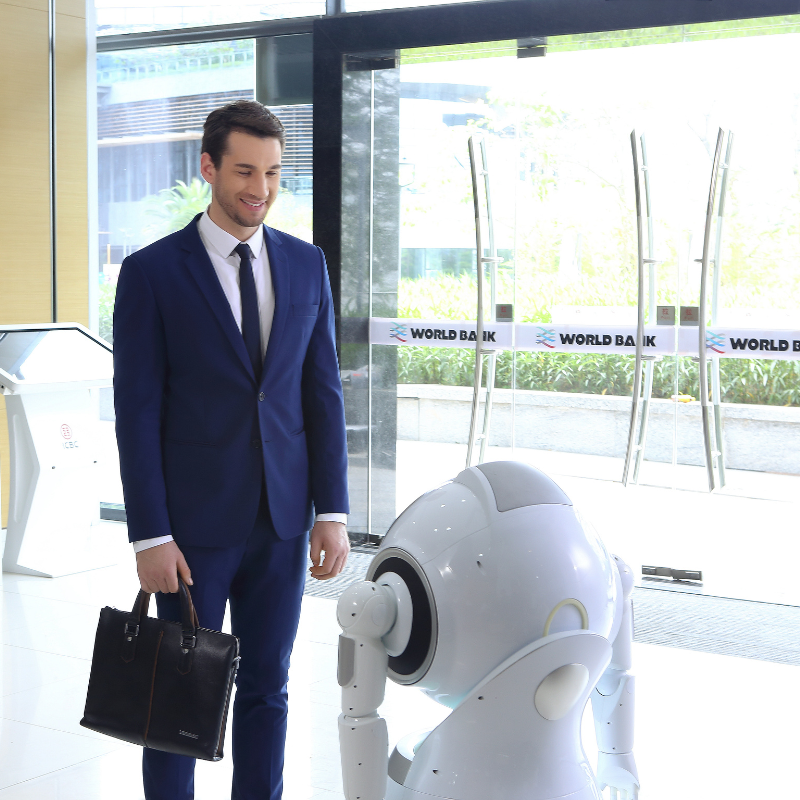
The healthcare industry is experiencing a technological revolution, with pharmacy robots emerging as critical components in modern medical facilities. These sophisticated automated systems are transforming how medications are dispensed, managed, and delivered to patients across hospitals, retail pharmacies, and healthcare institutions worldwide. As healthcare demands continue to grow and the need for precision increases, pharmacy robots have become indispensable tools that enhance operational efficiency while reducing human error in medication management.
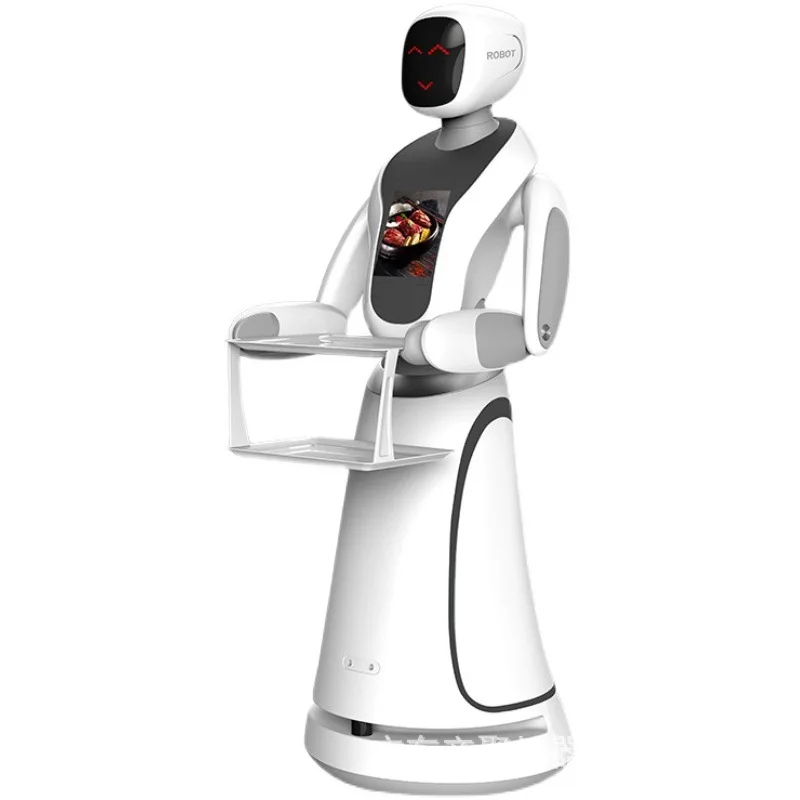
The integration of robotic technology in pharmaceutical operations represents a paradigm shift toward safer, more accurate, and cost-effective healthcare delivery. Modern pharmacy robots leverage advanced algorithms, artificial intelligence, and precision engineering to handle complex medication workflows that were previously managed entirely by human pharmacists and technicians. This technological advancement addresses critical challenges including medication errors, inventory management inefficiencies, and the growing shortage of qualified pharmacy personnel.
Revolutionizing Medication Dispensing Through Automation
Precision and Accuracy in Drug Distribution
Pharmacy robots excel in delivering unprecedented accuracy levels in medication dispensing operations. These automated systems utilize advanced barcode scanning, weight verification, and visual recognition technologies to ensure that patients receive the correct medications in precise dosages. Unlike human-operated systems that are susceptible to fatigue, distraction, and human error, pharmacy robots maintain consistent performance standards throughout extended operating periods.
The sophisticated sensors integrated into modern pharmacy robots can detect minute discrepancies in pill shapes, colors, and sizes, effectively preventing medication mix-ups that could have serious consequences for patient safety. These systems can process thousands of prescriptions daily while maintaining error rates that are significantly lower than traditional manual dispensing methods. Healthcare facilities implementing pharmacy robots have reported dramatic reductions in medication errors, with some institutions achieving error rates below 0.01 percent.
Speed and Efficiency Optimization
The operational speed of pharmacy robots far exceeds human capabilities in medication preparation and dispensing tasks. These automated systems can process multiple prescriptions simultaneously, utilizing parallel processing capabilities that maximize throughput during peak demand periods. Advanced pharmacy robots can fill prescriptions in minutes rather than the extended timeframes typically required for manual processing, significantly reducing patient waiting times and improving overall healthcare facility efficiency.
Modern robotic dispensing systems incorporate intelligent queue management algorithms that prioritize urgent medications while optimizing workflow patterns to minimize processing delays. This enhanced efficiency allows healthcare providers to serve larger patient volumes while maintaining high service quality standards. The time savings achieved through robotic automation enables pharmacy staff to focus on clinical consultations, medication therapy management, and other high-value patient care activities.
Enhancing Patient Safety Through Advanced Technology
Elimination of Cross-Contamination Risks
Pharmacy robots provide sterile, controlled environments for medication handling, significantly reducing contamination risks associated with human contact. These automated systems operate within sealed chambers equipped with air filtration systems, ultraviolet sterilization capabilities, and temperature controls that maintain optimal storage conditions for sensitive medications. The enclosed nature of robotic dispensing systems prevents external contaminants from compromising medication integrity.
Advanced pharmacy robots incorporate multiple safety protocols including automated cleaning cycles, contamination detection systems, and segregated storage compartments for different medication categories. These features ensure that medications remain uncontaminated throughout the storage and dispensing process, protecting patients from potential adverse reactions caused by contaminated drugs. Healthcare facilities utilizing pharmacy robots report significant improvements in medication quality control and patient safety outcomes.
Real-Time Monitoring and Alert Systems
Modern pharmacy robots feature comprehensive monitoring systems that track every aspect of medication handling from storage to final dispensing. These intelligent systems continuously monitor environmental conditions, inventory levels, expiration dates, and dispensing accuracy through integrated sensors and data analytics platforms. Real-time alerts notify pharmacy staff of potential issues including low inventory levels, expired medications, or system malfunctions that require immediate attention.
The advanced monitoring capabilities of pharmacy robots extend beyond basic operational parameters to include detailed audit trails that document every medication transaction. This comprehensive tracking enables healthcare facilities to maintain detailed records for regulatory compliance, quality assurance reviews, and patient safety investigations. The data generated by pharmacy robots provides valuable insights into medication usage patterns, helping healthcare administrators optimize inventory management and identify potential safety concerns before they impact patient care.
Streamlining Healthcare Operations and Cost Management
Inventory Management and Cost Reduction
Pharmacy robots revolutionize medication inventory management through automated tracking systems that monitor stock levels, usage patterns, and expiration dates in real-time. These intelligent systems generate automated reorder notifications based on predetermined thresholds, ensuring optimal inventory levels while minimizing waste from expired medications. The precise inventory control capabilities of pharmacy robots help healthcare facilities reduce carrying costs and improve cash flow management.
The cost-saving benefits of pharmacy robots extend beyond inventory optimization to include reduced labor requirements, decreased medication waste, and improved operational efficiency. Healthcare facilities typically recover their initial investment in robotic systems within two to three years through operational savings and improved productivity. Long-term cost benefits include reduced insurance premiums due to improved safety records, decreased regulatory compliance costs, and enhanced reputation leading to increased patient volumes.
Integration with Healthcare Information Systems
Modern pharmacy robots seamlessly integrate with electronic health records, hospital information systems, and pharmacy management software to create comprehensive medication management ecosystems. This integration enables real-time data sharing between different healthcare departments, improving coordination and reducing communication errors that could impact patient care. Pharmacy robots can automatically access patient medication histories, allergy information, and drug interaction databases to verify prescription safety.
The connectivity features of pharmacy robots facilitate remote monitoring and management capabilities, allowing pharmacy managers to oversee multiple locations from centralized control centers. Cloud-based analytics platforms process data from pharmacy robots to generate detailed performance reports, identify optimization opportunities, and predict maintenance requirements. This comprehensive integration enables healthcare organizations to leverage pharmacy robots as strategic assets that contribute to overall operational excellence.
Addressing Healthcare Workforce Challenges
Mitigating Pharmacist Shortage Issues
The growing shortage of qualified pharmacists represents a significant challenge for healthcare providers worldwide, with pharmacy robots offering practical solutions to address this critical gap. These automated systems can handle routine dispensing tasks that traditionally required pharmacist supervision, allowing available pharmacy professionals to focus on clinical services, patient counseling, and complex medication therapy management. Pharmacy robots effectively multiply the productive capacity of existing pharmacy staff without requiring additional personnel.
Healthcare facilities implementing pharmacy robots report improved staff satisfaction as pharmacists and technicians can concentrate on intellectually stimulating clinical work rather than repetitive dispensing tasks. The reduced physical demands associated with robotic automation help prevent workplace injuries and reduce staff turnover rates. Pharmacy robots enable smaller pharmacy teams to manage larger patient volumes while maintaining high service quality standards, addressing staffing challenges that might otherwise limit healthcare facility capacity.
Professional Development and Skill Enhancement
The implementation of pharmacy robots creates opportunities for pharmacy staff to develop advanced technical skills and clinical expertise. Working with sophisticated robotic systems requires pharmacists and technicians to understand complex technologies, data analytics platforms, and automated processes that enhance their professional capabilities. These enhanced skills make pharmacy professionals more valuable contributors to healthcare teams and improve their career advancement prospects.
Pharmacy robots free experienced pharmacists to engage in medication therapy management, clinical consultations, and patient education activities that utilize their advanced training and expertise. This shift toward clinical roles enhances job satisfaction while improving patient outcomes through more personalized pharmaceutical care. Healthcare facilities with pharmacy robots often report increased pharmacist retention rates and improved recruitment success as professionals are attracted to technologically advanced work environments.
Future Innovations and Technological Advancements
Artificial Intelligence and Machine Learning Integration
The next generation of pharmacy robots incorporates artificial intelligence and machine learning capabilities that enable predictive analytics, adaptive learning, and autonomous decision-making. These advanced systems can analyze historical dispensing patterns, identify potential medication interactions, and optimize workflow processes based on real-time operational data. Machine learning algorithms allow pharmacy robots to continuously improve their performance through experience and adapt to changing operational requirements.
Artificial intelligence integration enables pharmacy robots to provide clinical decision support, medication optimization recommendations, and personalized patient care insights. These intelligent systems can identify patients who might benefit from medication adherence programs, detect potential adverse drug reactions, and suggest therapeutic alternatives based on patient-specific factors. The evolution of pharmacy robots toward intelligent clinical assistants represents a significant advancement in pharmaceutical care delivery.
Expansion into Specialized Healthcare Applications
Emerging applications for pharmacy robots include specialized areas such as oncology medication preparation, pediatric dosing calculations, and compounding of customized pharmaceutical preparations. These specialized robotic systems incorporate advanced safety protocols, precision dosing capabilities, and contamination control measures required for handling high-risk medications. Pharmacy robots designed for oncology applications feature enhanced containment systems and specialized handling procedures that protect healthcare workers from exposure to cytotoxic drugs.
The development of mobile pharmacy robots enables medication delivery directly to patient bedsides, reducing transportation delays and improving medication administration efficiency. These autonomous systems can navigate hospital environments, interact with elevator systems, and coordinate with nursing staff to ensure timely medication delivery. Future pharmacy robots may incorporate telemedicine capabilities, enabling remote pharmacist consultations and medication counseling services for patients in underserved areas.
FAQ
How do pharmacy robots improve medication safety compared to traditional methods
Pharmacy robots significantly enhance medication safety through multiple automated verification systems that eliminate common sources of human error. These systems use barcode scanning, weight verification, and visual inspection technologies to ensure accurate medication selection and dosing. The error rates achieved by pharmacy robots are typically below 0.01 percent, compared to human error rates that can exceed 1 percent in traditional dispensing operations. Additionally, pharmacy robots maintain detailed audit trails and real-time monitoring capabilities that enable rapid identification and correction of any potential safety issues.
What types of healthcare facilities benefit most from implementing pharmacy robots
Large hospitals, retail pharmacy chains, and long-term care facilities experience the greatest benefits from pharmacy robots due to their high prescription volumes and complex medication management requirements. These facilities can maximize the cost-effectiveness of robotic systems through economies of scale while achieving significant improvements in operational efficiency. However, smaller healthcare facilities can also benefit from pharmacy robots, particularly when facing pharmacist shortages or seeking to improve medication safety standards. The return on investment typically depends on prescription volume, labor costs, and specific operational challenges faced by each facility.
How long does it take to implement pharmacy robots in a healthcare facility
The implementation timeline for pharmacy robots typically ranges from three to six months, depending on facility size, system complexity, and integration requirements. The process includes site preparation, equipment installation, software configuration, staff training, and validation testing to ensure proper operation. Healthcare facilities must also complete regulatory approvals and quality assurance protocols before beginning full operation. During the transition period, facilities usually operate hybrid systems combining robotic automation with traditional dispensing methods to ensure uninterrupted patient care while staff become proficient with the new technology.
What ongoing maintenance and support do pharmacy robots require
Pharmacy robots require regular preventive maintenance including mechanical component inspection, software updates, calibration verification, and cleaning procedures to maintain optimal performance. Most manufacturers provide comprehensive service agreements that include remote monitoring, predictive maintenance alerts, and on-site technical support when needed. Healthcare facilities typically dedicate trained staff members to perform routine maintenance tasks and serve as primary contacts with technical support teams. The sophisticated diagnostic capabilities of modern pharmacy robots enable proactive identification of potential issues before they impact operations, minimizing downtime and ensuring consistent medication dispensing capabilities.
Table of Contents
- Revolutionizing Medication Dispensing Through Automation
- Enhancing Patient Safety Through Advanced Technology
- Streamlining Healthcare Operations and Cost Management
- Addressing Healthcare Workforce Challenges
- Future Innovations and Technological Advancements
-
FAQ
- How do pharmacy robots improve medication safety compared to traditional methods
- What types of healthcare facilities benefit most from implementing pharmacy robots
- How long does it take to implement pharmacy robots in a healthcare facility
- What ongoing maintenance and support do pharmacy robots require