
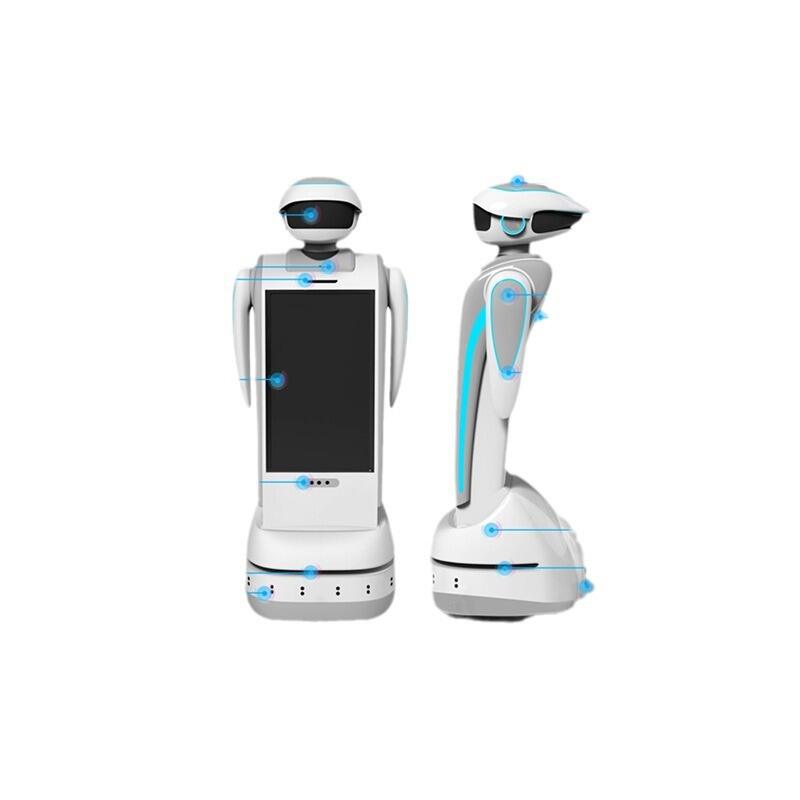
The retail landscape is undergoing a dramatic transformation as technology continues to reshape how businesses interact with customers. Among the most significant developments in recent years, retail robots have emerged as powerful tools that are fundamentally changing consumer shopping experiences. These sophisticated machines are no longer confined to science fiction scenarios but are actively revolutionizing customer service, inventory management, and operational efficiency across retail environments worldwide.
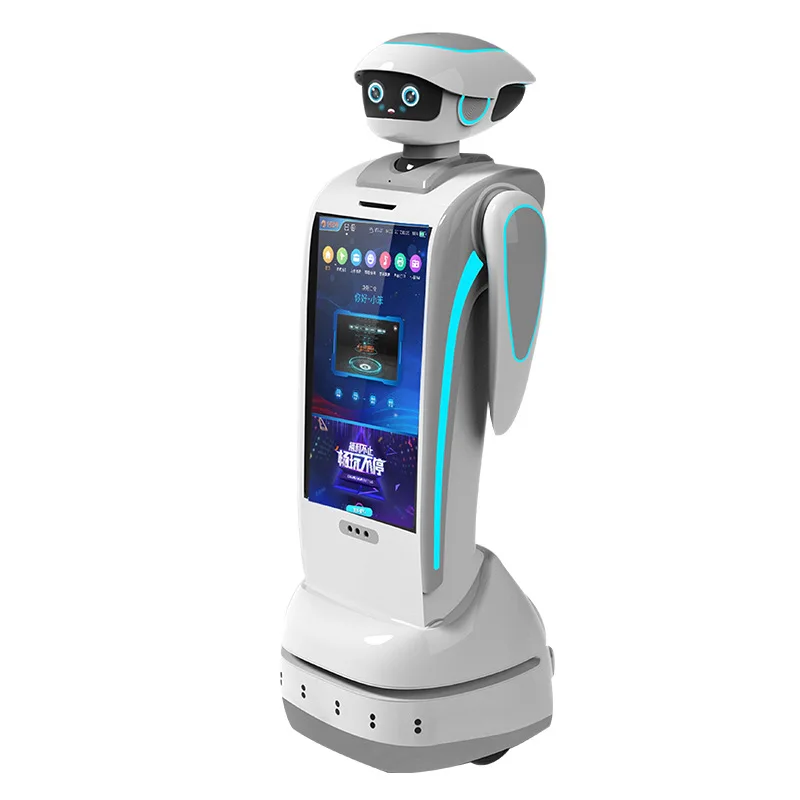
Modern retail robots represent a convergence of artificial intelligence, machine learning, and advanced robotics engineering that enables businesses to provide unprecedented levels of customer service. These technological marvels are designed to enhance human capabilities rather than replace them entirely, creating a symbiotic relationship between automated systems and human staff members. The integration of retail robots into commercial spaces has proven to significantly improve operational efficiency while simultaneously elevating customer satisfaction levels through consistent, reliable service delivery.
Evolution of Retail Automation Technology
Historical Development of Retail Robots
The journey of retail robots began with simple automated systems in warehouses and distribution centers, gradually evolving into sophisticated customer-facing solutions. Early implementations focused primarily on inventory management and stock replenishment tasks, but technological advances have enabled these machines to take on more complex roles involving direct customer interaction. The progression from basic mechanical systems to intelligent conversational agents represents decades of research and development in robotics, artificial intelligence, and human-computer interaction technologies.
Contemporary retail robots incorporate advanced sensors, natural language processing capabilities, and sophisticated navigation systems that allow them to operate seamlessly in dynamic retail environments. These machines can recognize faces, understand speech patterns, interpret gestures, and respond appropriately to customer inquiries with remarkable accuracy. The evolution has been driven by increasing consumer expectations for personalized service and businesses' need to optimize operational costs while maintaining competitive advantages in crowded marketplaces.
Technological Breakthrough Moments
Several key technological breakthroughs have accelerated the adoption of retail robots across various commercial sectors. The development of reliable speech recognition systems enabled machines to understand and respond to customer queries in natural language, while advances in computer vision technology allowed robots to navigate complex environments safely and efficiently. Machine learning algorithms have empowered these systems to continuously improve their performance based on accumulated interaction data and customer feedback.
Cloud computing infrastructure has provided the necessary computational power to support sophisticated AI algorithms while reducing the hardware requirements for individual robot units. This technological foundation has made retail robots more affordable and accessible to businesses of all sizes, from small boutique stores to large department chains. The integration of mobile connectivity and real-time data synchronization capabilities has further enhanced the functionality and versatility of these automated customer service solutions.
Current Applications in Retail Environments
Customer Service and Assistance Functions
Today's retail robots excel at providing consistent, knowledgeable customer service across multiple touchpoints within retail environments. These machines can greet customers upon arrival, provide detailed product information, assist with navigation throughout store layouts, and offer personalized recommendations based on customer preferences and purchase history. Their ability to operate continuously without fatigue ensures that high-quality service remains available throughout extended business hours, particularly during peak shopping periods when human staff may be overwhelmed.
Advanced retail robots can seamlessly transition between multiple languages, making them invaluable assets for businesses serving diverse customer populations. They can provide detailed explanations about product features, pricing information, warranty details, and availability status while maintaining consistent communication quality regardless of time or circumstances. These capabilities have proven especially valuable in large retail spaces where customers may struggle to locate specific products or require detailed technical assistance.
Inventory Management and Stock Control
Behind-the-scenes operations represent another crucial application area where retail robots demonstrate exceptional value. These machines can conduct comprehensive inventory audits, track product movement patterns, identify stock discrepancies, and generate detailed reports for management analysis. Their precision and consistency eliminate human errors commonly associated with manual inventory processes while providing real-time data that enables more responsive supply chain management.
Sophisticated scanning systems and RFID technology integration allow retail robots to monitor shelf conditions continuously, identifying when products need restocking or repositioning. This proactive approach to inventory management helps prevent out-of-stock situations that can negatively impact customer satisfaction and sales performance. Additionally, these systems can detect pricing inconsistencies, expired products, and damaged merchandise, ensuring that retail displays maintain optimal presentation standards.
Impact on Consumer Shopping Behavior
Enhanced Customer Experience Delivery
The presence of retail robots has fundamentally altered customer expectations and shopping behaviors in numerous positive ways. Consumers appreciate the immediate availability of knowledgeable assistance without the need to wait for human staff members who may be occupied with other customers. This instant access to information and support has reduced shopping frustration while increasing overall satisfaction levels across diverse retail environments.
Retail robots provide consistent service quality that eliminates the variability often associated with human interactions, ensuring that every customer receives the same level of attention and expertise. This consistency builds trust and confidence in the shopping experience, encouraging repeat visits and positive word-of-mouth recommendations. Furthermore, these machines can remember previous interactions and preferences, creating personalized experiences that make customers feel valued and understood.
Changing Purchase Decision Processes
Consumer purchase decision-making processes have evolved significantly in response to the detailed, objective information provided by retail robots. These machines can present comprehensive product comparisons, highlight specific features and benefits, and provide unbiased recommendations based on customer requirements rather than sales targets. This approach has led to more informed purchasing decisions and increased customer satisfaction with their chosen products.
The ability of retail robots to access extensive product databases and provide instant answers to complex technical questions has shortened the research phase of the buying process. Customers no longer need to conduct extensive online research before visiting physical stores, as they can obtain detailed information immediately upon arrival. This streamlined approach has increased conversion rates while reducing the time customers spend deliberating over purchase decisions.
Business Benefits and Operational Advantages
Cost Efficiency and Resource Optimization
Implementation of retail robots delivers significant cost advantages through reduced labor requirements and improved operational efficiency. These machines can perform multiple tasks simultaneously while maintaining consistent performance levels throughout their operational periods. The initial investment in robotic systems is often recovered within reasonable timeframes through reduced staffing costs and increased sales performance resulting from enhanced customer service capabilities.
Retail robots eliminate many operational inefficiencies associated with human workers, such as break requirements, sick leave, training periods, and performance variations. Their ability to work continuously during extended business hours provides businesses with flexible staffing solutions that can adapt to varying customer traffic patterns and seasonal demand fluctuations. This operational flexibility enables retailers to optimize their resource allocation while maintaining consistent service quality standards.
Data Collection and Analytics Capabilities
Advanced retail robots serve as sophisticated data collection platforms that generate valuable insights into customer behavior, preferences, and shopping patterns. These machines can track interaction frequencies, common questions, popular products, and customer demographics without compromising privacy or requiring additional monitoring systems. The collected data provides retailers with actionable intelligence that can inform inventory decisions, marketing strategies, and store layout optimizations.
Real-time analytics capabilities enable businesses to respond quickly to changing customer needs and market trends. Retail robots can identify emerging patterns in customer inquiries, detect shifts in product interest levels, and highlight opportunities for cross-selling or upselling initiatives. This continuous feedback loop allows retailers to make data-driven decisions that improve both customer satisfaction and business performance metrics.
Challenges and Implementation Considerations
Technical Integration Complexities
Successful deployment of retail robots requires careful consideration of technical integration challenges that can impact system performance and customer acceptance. These machines must seamlessly interface with existing point-of-sale systems, inventory management platforms, and customer relationship management databases to provide accurate, up-to-date information. The complexity of these integrations often requires significant technical expertise and careful planning to ensure smooth operational transitions.
Maintaining reliable network connectivity and ensuring robust cybersecurity measures represent ongoing challenges that businesses must address when implementing retail robot solutions. These systems require consistent internet access to function optimally while protecting sensitive customer data and business information from potential security threats. Regular software updates and maintenance protocols are essential to maintain peak performance and security standards over extended operational periods.
Staff Training and Change Management
Successful retail robot implementation requires comprehensive staff training programs that help human employees understand how to work effectively alongside automated systems. Many workers initially express concerns about job security and role changes, making it essential for management to communicate clearly about how retail robots will complement rather than replace human capabilities. Effective change management strategies focus on highlighting the ways these technologies can enhance job satisfaction by eliminating routine tasks and enabling staff to focus on more complex customer service activities.
Training programs must cover both technical aspects of robot operation and strategic considerations for maximizing the benefits of human-robot collaboration. Staff members need to understand when to direct customers to robotic assistants and when human intervention provides superior value. This collaborative approach ensures that retail robots enhance overall service quality rather than creating confusion or inconsistency in customer interactions.
Future Trends and Developments
Artificial Intelligence Advancement Impact
Continued advances in artificial intelligence technology will significantly expand the capabilities and applications of retail robots in coming years. Natural language processing improvements will enable more sophisticated conversations and better understanding of customer intent, while machine learning enhancements will allow these systems to provide increasingly personalized recommendations and assistance. These technological developments will make retail robots more intuitive and valuable for both businesses and customers.
Integration with emerging technologies such as augmented reality and virtual reality will create new possibilities for immersive shopping experiences that combine physical and digital elements. Retail robots may soon be able to provide virtual product demonstrations, overlay digital information onto physical products, and create interactive experiences that enhance customer engagement and satisfaction. These capabilities will further differentiate businesses that embrace robotic technologies from those that rely solely on traditional service methods.
Market Expansion and Adoption Patterns
The market for retail robots is expected to expand rapidly as businesses recognize the competitive advantages these technologies provide. Early adopters in sectors such as electronics, automotive, and luxury goods have demonstrated significant success, encouraging broader adoption across diverse retail categories. As manufacturing costs decrease and capabilities increase, retail robots will become accessible to smaller businesses and niche market segments that previously could not justify the investment.
Geographic expansion of retail robot adoption will accelerate as international businesses seek to standardize customer service quality across multiple locations and cultural contexts. The ability of these machines to adapt to local languages and customs while maintaining consistent core functionality makes them particularly valuable for global retail operations. This trend will drive continued innovation and specialization in robotic solutions tailored to specific regional requirements and cultural preferences.
FAQ
How do retail robots improve customer service quality?
Retail robots enhance customer service quality through consistent availability, extensive product knowledge, and personalized interaction capabilities. These machines provide immediate assistance without wait times, offer detailed product information and comparisons, and remember customer preferences for future interactions. Their ability to operate continuously ensures that high-quality service remains available during peak hours and extended business operations, while their objective approach to product recommendations builds customer trust and satisfaction.
What are the main cost benefits of implementing retail robots?
The primary cost benefits include reduced labor expenses, improved operational efficiency, and increased sales conversion rates through enhanced customer service. Retail robots eliminate costs associated with employee breaks, sick leave, and training while providing consistent performance levels. They can handle multiple customers simultaneously and work extended hours without additional compensation, making them cost-effective solutions for businesses seeking to optimize their operational expenses while maintaining superior service standards.
How do customers typically respond to interactions with retail robots?
Customer responses to retail robots are generally positive, with many appreciating the immediate availability of knowledgeable assistance and consistent service quality. Younger demographics tend to embrace the technology more readily, while older customers may initially prefer human interaction but often develop appreciation for the robots' patience and detailed explanations. Success rates improve significantly when businesses properly introduce the technology and train staff to facilitate smooth human-robot collaboration that enhances rather than replaces personal service.
What technical requirements are necessary for successful retail robot implementation?
Successful implementation requires reliable high-speed internet connectivity, integration with existing business systems, adequate physical space for robot navigation, and robust cybersecurity measures. Businesses need to ensure compatibility with point-of-sale systems, inventory management platforms, and customer databases while maintaining secure data transmission and storage protocols. Regular maintenance schedules, software updates, and technical support arrangements are essential for maintaining optimal performance and maximizing return on investment in retail robot technology.