
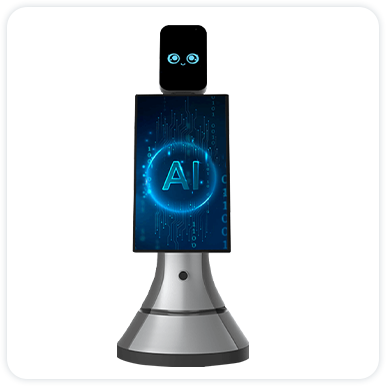
The retail industry stands at the brink of a technological revolution that promises to reshape how consumers interact with brands and make purchasing decisions. Advanced retail robots are emerging as game-changing solutions that bridge the gap between digital convenience and physical shopping experiences. These sophisticated machines are not merely futuristic concepts but practical tools already deployed across shopping centers, department stores, and specialty retailers worldwide. The integration of artificial intelligence, computer vision, and natural language processing has enabled retail robots to perform complex tasks that were once exclusively human domains. From providing personalized product recommendations to managing inventory in real-time, these technological marvels are setting new standards for customer service excellence and operational efficiency.
The Evolution of Automated Customer Service
From Basic Automation to Intelligent Interaction
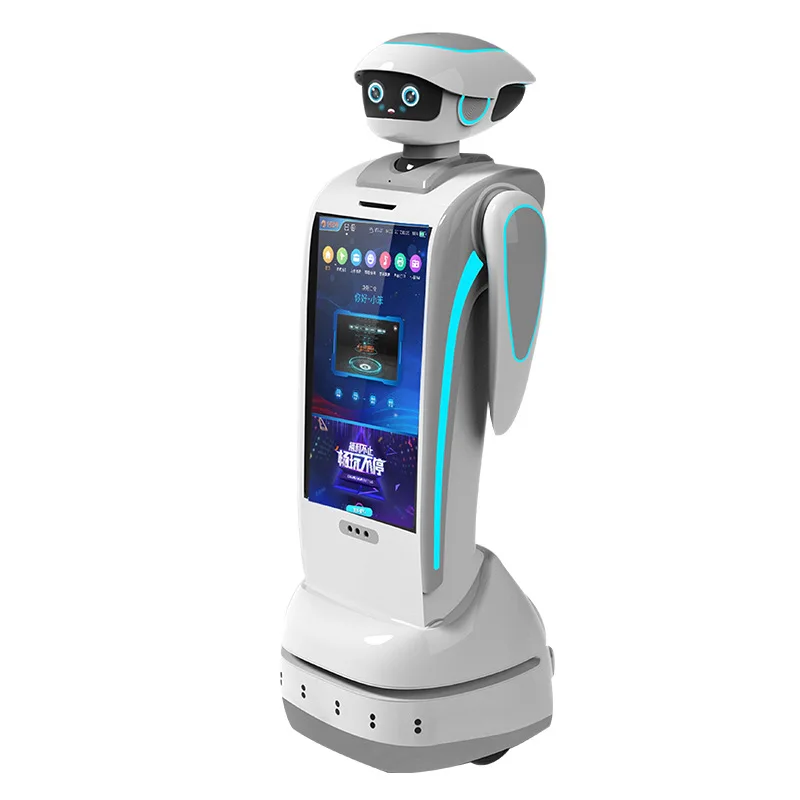
The journey of retail automation began with simple self-checkout systems and has rapidly evolved into sophisticated retail robots capable of engaging in meaningful conversations with customers. Early automation focused primarily on transaction processing and basic information display, but modern retail robots incorporate advanced conversational AI that can understand context, emotions, and complex customer queries. These machines can now interpret natural language, recognize facial expressions, and adapt their communication style based on individual customer preferences and shopping patterns.
Contemporary retail robots utilize machine learning algorithms to continuously improve their interaction capabilities, learning from thousands of customer encounters to refine their responses and recommendations. This evolutionary process ensures that each interaction becomes more personalized and effective over time. The sophisticated sensors and cameras integrated into these systems enable them to read customer body language, detect hesitation or confusion, and proactively offer assistance before customers even realize they need help.
Integration with Existing Retail Infrastructure
Modern retail robots seamlessly integrate with existing point-of-sale systems, inventory management platforms, and customer relationship management databases to provide comprehensive support throughout the shopping journey. This integration allows them to access real-time product availability, pricing information, and customer purchase history to deliver highly relevant recommendations. The robots can instantly check stock levels across multiple store locations, suggest alternative products when items are unavailable, and even arrange for special orders or transfers from other branches.
The connectivity between retail robots and enterprise systems enables sophisticated analytics that benefit both customers and retailers. These machines can track customer movement patterns, identify popular product categories, and provide valuable insights into shopping behaviors that help optimize store layouts and merchandising strategies. The data collected by retail robots contributes to a deeper understanding of customer preferences, enabling retailers to make informed decisions about inventory planning, promotional campaigns, and service improvements.
Advanced Navigation and Mobility Features
Autonomous Movement in Complex Environments
The mobility capabilities of retail robots represent a significant technological achievement, enabling them to navigate crowded shopping environments with precision and safety. Advanced sensor arrays including LiDAR, ultrasonic sensors, and high-resolution cameras work together to create detailed three-dimensional maps of retail spaces. These robots can dynamically adjust their routes to avoid obstacles, accommodate changing store layouts, and ensure smooth navigation even during peak shopping periods when stores are densely populated with customers.
Sophisticated pathfinding algorithms enable retail robots to optimize their movement patterns for maximum efficiency while maintaining safe distances from shoppers and merchandise displays. The robots can identify and respond to various environmental factors such as wet floors, temporary barriers, or promotional displays that may not be part of their original mapping data. This adaptability ensures consistent performance regardless of changing store conditions or unexpected obstacles that might arise during normal retail operations.
Multi-Floor and Multi-Zone Operations
Advanced retail robots are equipped with elevator navigation capabilities and zone-specific programming that allows them to operate effectively across multiple floors and departments within large retail establishments. These systems can coordinate with building management systems to call and board elevators autonomously, expanding their operational range beyond single-floor limitations. The robots maintain detailed maps of each floor and department, understanding the unique characteristics and requirements of different retail zones.
Zone-aware programming enables retail robots to adapt their behavior based on the specific area they are operating in, whether it is a quiet electronics section requiring detailed technical discussions or a busy clothing department where quick product location assistance is most valuable. This contextual awareness ensures that the robots provide appropriate levels of service and interaction style based on the shopping environment and typical customer expectations for each area of the store.
Personalized Customer Engagement Strategies
Behavioral Recognition and Adaptation
Modern retail robots excel at recognizing and responding to individual customer behaviors, preferences, and shopping patterns through sophisticated behavioral analysis systems. These machines can identify returning customers through facial recognition technology or loyalty program integration, immediately accessing their purchase history and preferences to provide tailored assistance. The robots analyze customer movement patterns, dwell times at specific products, and interaction history to understand individual shopping styles and adapt their approach accordingly.
The behavioral recognition capabilities extend beyond simple product recommendations to include understanding customer urgency levels, price sensitivity, and preferred communication styles. Retail robots can detect when customers are browsing casually versus shopping with specific purchase intent, adjusting their level of engagement and type of assistance offered. This nuanced understanding of customer behavior enables more effective interactions that feel natural and helpful rather than intrusive or pushy.
Multilingual Communication Capabilities
Global retail environments require communication capabilities that transcend language barriers, and advanced retail robots are equipped with sophisticated multilingual processing systems that can seamlessly switch between languages during customer interactions. These systems not only translate words but also understand cultural context, idiomatic expressions, and regional preferences that influence shopping behaviors. The robots can detect customer language preferences through initial interactions or preset preferences and maintain consistent communication in the chosen language throughout the shopping experience.
The multilingual capabilities of retail robots extend beyond verbal communication to include cultural awareness in product recommendations and service approaches. These machines understand that shopping preferences, communication styles, and service expectations can vary significantly between different cultural groups, and they adapt their interactions accordingly. This cultural sensitivity ensures that all customers feel welcomed and understood, regardless of their linguistic or cultural background.
Inventory Management and Real-Time Updates
Automated Stock Monitoring Systems
Retail robots equipped with advanced scanning and recognition technology can perform continuous inventory monitoring tasks that significantly improve stock accuracy and availability information. These machines can autonomously traverse store aisles during off-peak hours, scanning product codes and comparing actual shelf quantities with database records to identify discrepancies immediately. The real-time inventory updates provided by retail robots help prevent stockouts, reduce overstock situations, and ensure that customers always receive accurate product availability information.
The inventory management capabilities of retail robots extend beyond simple counting to include quality assessment, product positioning analysis, and planogram compliance monitoring. These systems can identify products that are misplaced, damaged, or nearing expiration dates, alerting store staff to take appropriate action. The continuous monitoring provided by retail robots ensures that merchandise displays remain organized and attractive while maintaining accurate inventory records that support effective business decision-making.
Predictive Analytics and Demand Forecasting
Advanced retail robots contribute valuable data to predictive analytics systems that help retailers anticipate customer demand and optimize inventory levels accordingly. By tracking customer interaction patterns, product inquiry frequencies, and purchasing behaviors, these machines generate insights that inform demand forecasting models. The data collected by retail robots includes not only successful purchases but also products that customers considered but did not buy, providing a comprehensive view of customer interest and market demand.
The integration of retail robot data with broader market analytics enables more accurate predictions of seasonal trends, promotional effectiveness, and emerging product preferences. This predictive capability helps retailers make informed decisions about inventory procurement, pricing strategies, and promotional campaigns. The continuous data collection and analysis performed by retail robots create a feedback loop that improves forecasting accuracy over time, leading to more efficient inventory management and better customer satisfaction through improved product availability.
Integration with Omnichannel Retail Strategies
Bridging Online and Offline Experiences
Retail robots serve as crucial bridges between online and offline shopping experiences, providing seamless integration that allows customers to access their digital shopping history and preferences while in physical stores. These machines can retrieve customer online browsing history, wish lists, and previous purchases to provide personalized recommendations that span both digital and physical channels. The robots can also facilitate services like buy-online-pickup-in-store, helping customers locate and verify their orders while providing additional product suggestions based on their purchase history.
The omnichannel integration capabilities of retail robots extend to social media and mobile app connectivity, allowing customers to share their in-store experiences, access digital coupons, and receive personalized offers through their preferred communication channels. These machines can generate QR codes for easy mobile app downloads, help customers join loyalty programs, and provide digital receipts that integrate with online accounts. This seamless connectivity ensures that every interaction with retail robots contributes to a comprehensive customer profile that enhances future shopping experiences across all channels.
Customer Journey Optimization
Advanced retail robots analyze and optimize customer journey patterns by tracking movement through stores, identifying popular routes, and understanding how different factors influence shopping behaviors. This analysis helps retailers optimize store layouts, product placements, and service touchpoints to create more efficient and enjoyable shopping experiences. The robots can identify bottlenecks in customer flow, areas where customers frequently seek assistance, and opportunities to improve wayfinding and product discovery.
The journey optimization capabilities of retail robots include personalized route planning for individual customers based on their shopping lists, preferences, and time constraints. These machines can create efficient shopping routes that minimize walking time while maximizing exposure to relevant products and promotional offers. The personalized guidance provided by retail robots helps customers accomplish their shopping goals more efficiently while discovering new products that align with their interests and needs.
Security and Loss Prevention Applications
Advanced Surveillance Capabilities
Retail robots equipped with sophisticated surveillance technology provide enhanced security monitoring that complements traditional loss prevention systems. These machines can patrol store areas continuously, using advanced computer vision to identify suspicious behaviors, unusual activity patterns, or potential security threats. The mobility and intelligence of retail robots enable them to investigate concerns discretely while maintaining their primary customer service functions, providing a dual-purpose solution that enhances both security and customer experience.
The surveillance capabilities of retail robots include facial recognition technology that can identify known shoplifters or banned individuals, immediately alerting security personnel when such individuals enter the store. However, these systems are designed with privacy protection in mind, focusing on behavior analysis rather than invasive monitoring. The robots can detect patterns associated with theft attempts, such as removing security tags, concealing merchandise, or exhibiting nervous behaviors, enabling proactive intervention before losses occur.
Emergency Response and Safety Protocols
Modern retail robots incorporate comprehensive emergency response capabilities that enhance store safety and security during critical situations. These machines can detect various emergency conditions including fires, medical emergencies, or security threats, immediately alerting appropriate personnel and guiding customers to safety. The robots are programmed with detailed evacuation procedures and can provide clear, calm directions to help customers exit the building safely during emergencies.
The safety protocols implemented in retail robots include continuous monitoring of environmental conditions such as air quality, temperature fluctuations, and unusual sounds that might indicate equipment malfunctions or other hazards. These machines can serve as mobile emergency communication points, connecting customers with emergency services or store management when needed. The presence of retail robots equipped with emergency response capabilities provides an additional layer of safety that enhances customer confidence and store security.
Cost-Benefit Analysis and ROI Considerations
Operational Efficiency Improvements
The implementation of retail robots generates significant operational efficiency improvements that translate into measurable cost savings and revenue increases for retailers. These machines can handle multiple customer interactions simultaneously, provide consistent service quality regardless of time or staffing levels, and operate continuously without breaks or shift changes. The efficiency gains from retail robots allow human staff to focus on complex tasks that require emotional intelligence, creativity, and advanced problem-solving skills.
Cost analysis of retail robot deployment typically shows positive returns within 12-18 months through reduced labor costs, improved customer satisfaction scores, and increased sales conversion rates. The robots eliminate many routine tasks that previously required human attention, such as basic product location assistance, price checking, and inventory verification. This reallocation of human resources enables retailers to invest in higher-value activities such as personal styling services, complex customer consultations, and creative merchandising that directly impact revenue growth.
Long-Term Strategic Value
Beyond immediate operational benefits, retail robots provide long-term strategic value through data collection, customer insights, and competitive differentiation that positions retailers for future success. The continuous data gathering capabilities of these machines create valuable databases of customer behaviors, preferences, and shopping patterns that inform strategic business decisions. This data becomes increasingly valuable over time, enabling more sophisticated personalization, better inventory planning, and more effective marketing strategies.
The strategic value of retail robots extends to brand positioning and customer attraction, as these technologies signal innovation and forward-thinking approaches that appeal to tech-savvy consumers. Retailers that successfully implement retail robot solutions often experience increased foot traffic, longer customer dwell times, and higher social media engagement as customers share their unique shopping experiences. This marketing value, combined with operational benefits, creates a compelling business case for retail robot adoption that extends well beyond simple cost reduction calculations.
FAQ
How do retail robots handle complex customer service situations that require human judgment
Retail robots are designed with escalation protocols that seamlessly connect customers with human staff when situations exceed their programmed capabilities. These machines can recognize when conversations become too complex, emotional, or require specialized knowledge beyond their training. The robots maintain context during handoffs, providing human staff with conversation history and customer information to ensure smooth transitions. This collaborative approach combines the efficiency of automation with the empathy and problem-solving abilities of human employees.
What privacy protections are in place for customer data collected by retail robots
Modern retail robots implement comprehensive privacy protection measures including data encryption, anonymous behavior tracking, and strict compliance with data protection regulations such as GDPR and CCPA. Personal identifying information is typically processed locally rather than transmitted to external servers, and facial recognition data is often converted to anonymous behavioral patterns rather than stored as identifiable images. Customers typically have control over their data collection preferences and can opt out of personalized tracking while still receiving basic assistance from retail robots.
Can retail robots work effectively during peak shopping periods like holidays or sales events
Retail robots are specifically designed to handle high-traffic situations and often perform even better during busy periods when their efficiency advantages become most apparent. These machines can manage multiple customer queues, provide instant product location assistance to reduce crowding, and help distribute customer traffic more evenly throughout stores. During peak periods, retail robots can operate extended hours without fatigue, providing consistent service quality when human staff might be overwhelmed or unavailable.
How do retail robots stay updated with changing product information and store layouts
Retail robots maintain current information through real-time connections to inventory management systems, product databases, and store mapping platforms. Updates to product locations, pricing, or availability are automatically synchronized across all connected retail robots within minutes of changes being made in central systems. The machines also feature self-learning capabilities that allow them to adapt to temporary changes in store layouts, new promotional displays, or seasonal merchandising adjustments through their advanced navigation and mapping systems.
Table of Contents
- The Evolution of Automated Customer Service
- Advanced Navigation and Mobility Features
- Personalized Customer Engagement Strategies
- Inventory Management and Real-Time Updates
- Integration with Omnichannel Retail Strategies
- Security and Loss Prevention Applications
- Cost-Benefit Analysis and ROI Considerations
-
FAQ
- How do retail robots handle complex customer service situations that require human judgment
- What privacy protections are in place for customer data collected by retail robots
- Can retail robots work effectively during peak shopping periods like holidays or sales events
- How do retail robots stay updated with changing product information and store layouts