
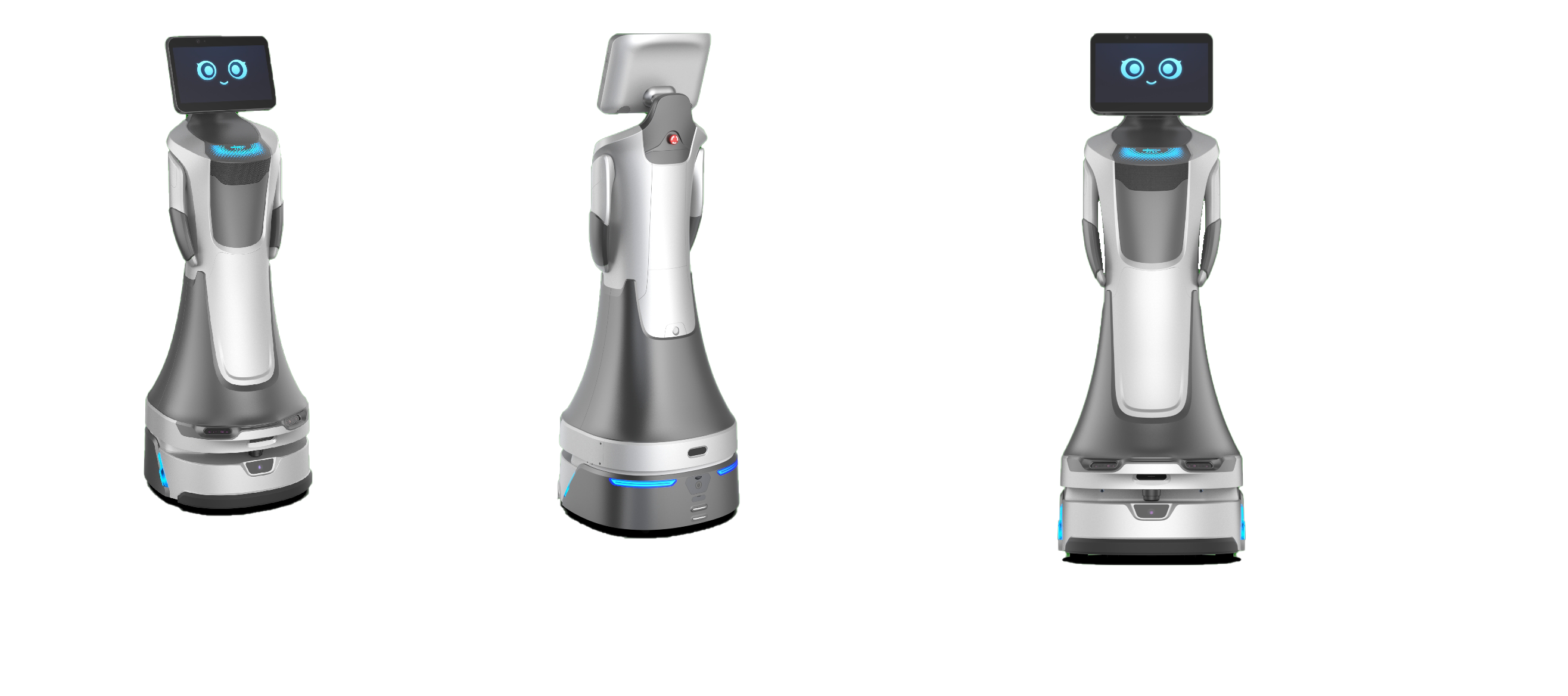
Healthcare facilities worldwide are experiencing a revolutionary transformation through the integration of advanced robotic technologies. Hospital robots have emerged as essential tools that enhance patient care, streamline medical procedures, and support healthcare professionals in delivering superior treatment outcomes. These sophisticated machines are reshaping the healthcare landscape by automating routine tasks, improving precision in medical interventions, and providing consistent support across various hospital departments. From surgical assistance to patient monitoring and administrative functions, robotic systems are proving invaluable in modern medical environments where efficiency and accuracy are paramount.
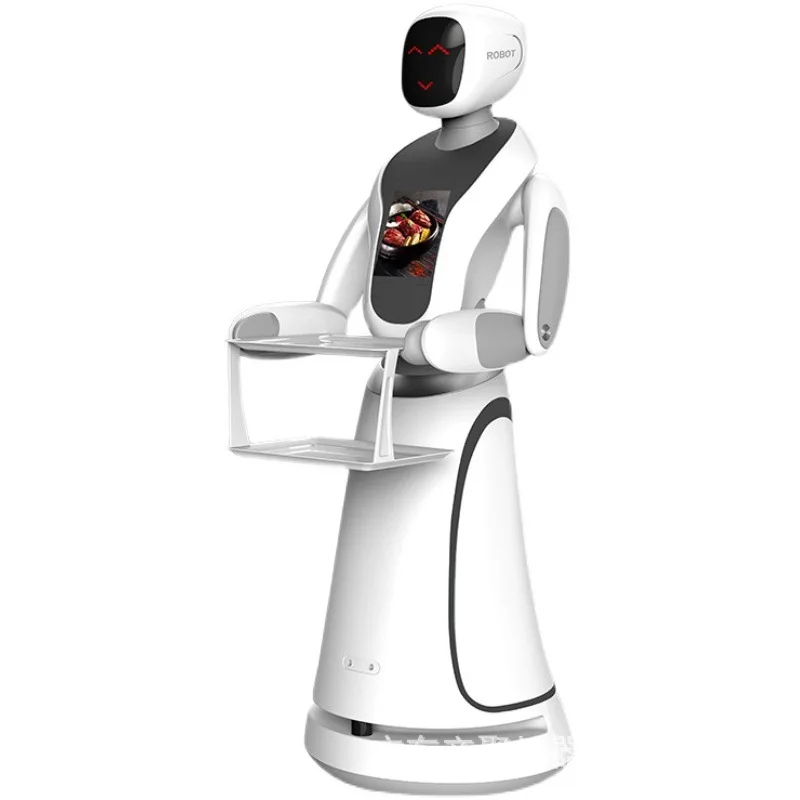
Revolutionary Applications of Robotic Technology in Healthcare Settings
Surgical Robotics and Precision Medicine
Surgical robotics represents one of the most significant advances in modern healthcare technology. These sophisticated systems enable surgeons to perform complex procedures with unprecedented precision and control. Robotic surgical platforms provide enhanced visualization through high-definition cameras and magnification capabilities, allowing medical professionals to navigate delicate anatomical structures with remarkable accuracy. The tremor-reduction technology built into these systems eliminates natural hand movements that could affect surgical outcomes, resulting in smaller incisions, reduced blood loss, and faster patient recovery times.
The integration of artificial intelligence in surgical robotics has further enhanced their capabilities, enabling real-time tissue analysis and predictive surgical guidance. These systems can process vast amounts of medical data to assist surgeons in making informed decisions during procedures. Additionally, robotic surgical systems facilitate minimally invasive techniques that traditional surgery cannot achieve, leading to reduced scarring, shorter hospital stays, and improved patient satisfaction rates.
Diagnostic and Imaging Support Systems
Advanced diagnostic robots are transforming how medical professionals conduct patient examinations and interpret medical imaging. These systems utilize machine learning algorithms to analyze radiological images, laboratory results, and patient data with exceptional speed and accuracy. Robotic diagnostic platforms can identify patterns and anomalies that might be overlooked by human observers, serving as valuable second opinions for healthcare providers. This technology significantly reduces diagnostic errors and accelerates the identification of critical conditions requiring immediate intervention.
Furthermore, portable diagnostic robots enable healthcare professionals to conduct comprehensive examinations in remote locations or underserved areas. These mobile units can perform various diagnostic functions, from basic vital sign monitoring to complex imaging procedures, extending quality healthcare services beyond traditional hospital boundaries. The integration of telemedicine capabilities allows remote specialists to review diagnostic results in real-time, ensuring patients receive expert medical opinions regardless of their geographical location.
Patient Care Enhancement Through Robotic Assistance
Rehabilitation and Physical Therapy Robotics
Rehabilitation robotics has revolutionized physical therapy and patient recovery processes in healthcare facilities. These specialized systems provide consistent, measurable therapeutic interventions that adapt to individual patient needs and progress. Robotic rehabilitation devices can deliver precise movements and resistance levels, ensuring patients receive optimal therapeutic benefits during their recovery journey. The technology enables healthcare professionals to monitor patient progress objectively through detailed movement analysis and performance metrics.
Advanced rehabilitation robots incorporate virtual reality and gamification elements that make therapy sessions more engaging and motivating for patients. These interactive features encourage patient participation and compliance with treatment protocols, leading to improved recovery outcomes. The systems can automatically adjust therapy parameters based on patient performance, ensuring appropriate challenge levels while preventing overexertion or injury during rehabilitation exercises.
Patient Monitoring and Care Coordination
Continuous patient monitoring has been significantly enhanced through the deployment of intelligent robotic systems throughout hospital facilities. These monitoring robots can track vital signs, medication adherence, and patient mobility patterns around the clock, providing healthcare teams with comprehensive patient status updates. The technology enables early detection of health deterioration, allowing medical professionals to intervene promptly before conditions become critical.
Care coordination robots facilitate seamless communication between different hospital departments and healthcare providers. These systems maintain updated patient records, schedule appointments, and ensure proper medication administration timing. The integration of natural language processing allows patients to interact with these robots using conversational interfaces, making healthcare services more accessible and user-friendly for individuals with varying technological proficiency levels.
Operational Efficiency and Staff Support Through Automation
Medication Management and Pharmacy Automation
Pharmaceutical robotics has transformed medication management processes in hospitals, significantly reducing medication errors and improving patient safety. Automated pharmacy systems can accurately dispense medications, verify prescriptions, and maintain detailed medication inventories. These robots work continuously without fatigue, ensuring consistent medication preparation and distribution throughout hospital facilities. The precision of robotic systems minimizes human error in medication handling, which is crucial for patient safety and treatment effectiveness.
Advanced pharmacy robots incorporate barcode scanning and verification systems that cross-reference patient information with prescribed medications. This multi-layer verification process prevents medication mix-ups and ensures patients receive the correct dosages at appropriate times. The integration of electronic health records allows these systems to flag potential drug interactions or allergies, providing additional safety measures that protect patients from adverse medication reactions.
Logistics and Supply Chain Management
Hospital logistics robots have streamlined supply chain management and material transportation throughout medical facilities. These autonomous systems navigate hospital corridors safely, delivering medical supplies, laboratory specimens, and equipment between departments without human intervention. The efficiency of robotic logistics reduces the workload on nursing staff, allowing them to focus on direct patient care activities rather than time-consuming transportation tasks.
Smart inventory management through robotic systems ensures medical supplies are consistently available when needed. These robots can track supply usage patterns, predict inventory needs, and automatically reorder items before stockouts occur. The predictive analytics capabilities help hospitals maintain optimal inventory levels while reducing storage costs and waste from expired medical supplies. Integration with hospital information systems enables real-time inventory tracking and automatic updating of supply databases.
Infection Control and Sanitization Technologies
Ultraviolet Disinfection Systems
Robotic disinfection systems have become essential tools for maintaining sterile environments in healthcare facilities. These autonomous units utilize ultraviolet light technology to eliminate pathogens on surfaces and in air spaces without human exposure to harmful radiation. The robots can systematically sanitize patient rooms, operating theaters, and common areas according to programmed schedules or on-demand requirements. Their consistent application of disinfection protocols ensures thorough pathogen elimination, reducing healthcare-associated infection rates.
Advanced disinfection robots incorporate sensors that map room layouts and identify high-touch surfaces requiring additional sanitization attention. The systems maintain detailed logs of disinfection cycles, providing documentation for infection control audits and regulatory compliance. Integration with hospital facility management systems allows automatic scheduling of disinfection procedures during optimal times when rooms are unoccupied, maximizing efficiency while maintaining continuous patient care operations.
Air Quality Management and Environmental Control
Environmental monitoring robots continuously assess air quality parameters throughout hospital facilities, ensuring optimal conditions for patient recovery and staff health. These systems monitor temperature, humidity, air pressure, and contamination levels in real-time, automatically adjusting environmental controls to maintain ideal conditions. The technology is particularly crucial in specialized areas such as operating rooms, intensive care units, and isolation wards where environmental factors directly impact patient outcomes.
Smart environmental control systems can detect and respond to airborne contaminants, automatically initiating enhanced ventilation or filtration procedures when necessary. The robots maintain detailed environmental data logs that help identify patterns and optimize facility operations for improved patient comfort and safety. Integration with building management systems enables coordinated responses to environmental changes, ensuring consistent conditions throughout the entire healthcare facility.
Communication and Patient Interaction Technologies
Multilingual Communication Capabilities
Modern healthcare facilities serve diverse patient populations requiring communication support in multiple languages. Hospital robots equipped with advanced natural language processing capabilities can communicate effectively with patients speaking various languages. These systems provide real-time translation services, ensuring patients understand medical instructions, treatment procedures, and facility navigation guidance regardless of language barriers.
Interactive communication robots serve as patient advocates, helping individuals express their concerns and questions to healthcare providers. The technology enables consistent communication quality and ensures important medical information is accurately conveyed between patients and medical staff. Voice recognition capabilities allow hands-free interaction, which is particularly beneficial for patients with mobility limitations or those undergoing medical procedures requiring minimal movement.
Telemedicine Integration and Remote Consultation
Telepresence robots have revolutionized remote medical consultations, enabling specialists to examine and interact with patients from distant locations. These mobile platforms provide high-definition video and audio communication, allowing healthcare providers to conduct thorough patient evaluations remotely. The technology is particularly valuable for rural hospitals that may lack specialized medical expertise, bringing expert consultation services directly to patients who cannot travel to major medical centers.
Advanced telepresence systems incorporate diagnostic tools that enable remote physicians to collect vital signs, perform basic examinations, and review medical imaging in real-time. The integration of robotic assistance ensures consistent examination procedures regardless of the examining physician's physical location. This technology expands access to specialized medical care while reducing travel costs and time constraints for both patients and healthcare providers.
Future Developments and Emerging Technologies
Artificial Intelligence Integration and Machine Learning
The future of hospital robotics lies in advanced artificial intelligence integration that will enable more sophisticated decision-making capabilities. Machine learning algorithms will allow robotic systems to continuously improve their performance based on accumulated experience and patient interaction data. These adaptive technologies will personalize patient care approaches, adjusting therapeutic interventions and communication styles to individual patient preferences and medical histories.
Predictive analytics powered by artificial intelligence will enable robotic systems to anticipate patient needs and potential medical complications before they occur. This proactive approach to healthcare delivery will significantly improve patient outcomes while reducing emergency interventions and associated costs. The integration of multiple data sources, including electronic health records, real-time monitoring data, and environmental factors, will provide comprehensive insights that enhance clinical decision-making processes.
Collaborative Robotics and Human-Robot Teams
The evolution of collaborative robotics focuses on seamless integration between human healthcare providers and robotic assistants. These cooperative systems will enhance human capabilities rather than replacing healthcare professionals, creating synergistic relationships that optimize patient care delivery. Advanced safety features and intuitive interfaces will enable healthcare workers to interact naturally with robotic systems, improving workflow efficiency and reducing training requirements.
Future collaborative platforms will incorporate emotional intelligence capabilities, enabling robots to recognize and respond appropriately to patient emotional states and stress levels. This empathetic technology will complement human compassion in healthcare delivery, providing additional emotional support for patients during challenging medical procedures or recovery periods. The integration of social robotics will enhance the overall patient experience while maintaining the human connection that remains essential in healthcare environments.
FAQ
How do hospital robots improve patient safety and reduce medical errors
Hospital robots enhance patient safety through precision automation that eliminates human error in critical tasks such as medication dispensing, surgical procedures, and diagnostic imaging. These systems incorporate multiple verification protocols and real-time monitoring capabilities that flag potential safety issues before they affect patient care. The consistent performance of robotic systems ensures standardized care delivery that meets established safety protocols without variation due to fatigue or human oversight.
What training requirements do healthcare staff need to work with hospital robots
Healthcare professionals typically require specialized training programs that cover robotic system operation, safety protocols, and integration procedures with existing medical workflows. Most hospital robot manufacturers provide comprehensive training curricula that include hands-on practice sessions, certification requirements, and ongoing support resources. The training duration varies depending on the complexity of the robotic system, ranging from basic orientation sessions for simple interaction robots to extensive certification programs for surgical robotic platforms.
How do hospital robots handle patient privacy and data security concerns
Modern hospital robots incorporate advanced cybersecurity measures including encrypted data transmission, secure authentication protocols, and compliance with healthcare privacy regulations such as HIPAA. These systems maintain detailed audit trails of all patient interactions and data access, ensuring accountability and regulatory compliance. Regular security updates and monitoring systems protect against potential cyber threats while maintaining the integrity of sensitive patient information throughout robotic operations.
What is the typical return on investment for implementing hospital robotics
Hospital robotics investments typically demonstrate positive returns within two to five years through reduced operational costs, improved efficiency, and enhanced patient outcomes. Cost savings result from decreased medication errors, reduced staff overtime requirements, improved surgical precision leading to shorter recovery times, and enhanced infection control reducing readmission rates. The exact return on investment varies based on facility size, robotic system types implemented, and integration complexity, with larger hospitals generally achieving faster payback periods due to higher patient volumes and operational scale.
Table of Contents
- Revolutionary Applications of Robotic Technology in Healthcare Settings
- Patient Care Enhancement Through Robotic Assistance
- Operational Efficiency and Staff Support Through Automation
- Infection Control and Sanitization Technologies
- Communication and Patient Interaction Technologies
- Future Developments and Emerging Technologies
-
FAQ
- How do hospital robots improve patient safety and reduce medical errors
- What training requirements do healthcare staff need to work with hospital robots
- How do hospital robots handle patient privacy and data security concerns
- What is the typical return on investment for implementing hospital robotics