

Healthcare institutions worldwide are witnessing a remarkable transformation as they increasingly integrate advanced robot technologies into their daily operations. This technological revolution represents more than just innovation for innovation's sake—it addresses critical challenges facing modern hospitals, from staffing shortages to patient safety concerns. The adoption of sophisticated robotic systems is fundamentally reshaping how healthcare facilities deliver services, manage resources, and enhance patient experiences across multiple departments and specialties.
The healthcare robotics market has experienced unprecedented growth, driven by the urgent need for innovative solutions that can address complex operational challenges while maintaining the highest standards of patient care. Hospital administrators are recognizing that robotics represents a strategic investment rather than a luxury, offering tangible benefits that extend far beyond simple automation. These technologies are proving essential for hospitals seeking to remain competitive, improve outcomes, and adapt to evolving healthcare demands in an increasingly complex medical landscape.
Transforming Patient Care Through Robotic Innovation
Enhanced Surgical Precision and Safety
Surgical robotics has revolutionized operating rooms by providing surgeons with unprecedented precision and control during complex procedures. These sophisticated systems enable minimally invasive techniques that reduce patient trauma, minimize scarring, and accelerate recovery times. The integration of advanced imaging systems with robotic surgical platforms allows medical teams to visualize internal structures with extraordinary clarity, leading to more accurate diagnoses and targeted treatments.
The implementation of robotic surgical systems has demonstrated measurable improvements in patient outcomes across various specialties. Studies consistently show reduced complication rates, shorter hospital stays, and decreased post-operative pain levels when procedures are performed using robotic assistance. This technological advancement has particularly transformed cardiac surgery, orthopedics, and neurosurgery, where precision is paramount to successful outcomes.
Comprehensive Patient Monitoring and Care Coordination
Modern healthcare robotics extends beyond surgical applications to encompass comprehensive patient monitoring and care coordination systems. Intelligent monitoring robots equipped with sensors and artificial intelligence capabilities can continuously track vital signs, medication adherence, and patient mobility patterns. These systems provide real-time data to healthcare teams, enabling proactive interventions before complications arise.
Patient care robots are increasingly sophisticated in their ability to interact with patients, providing companionship, medication reminders, and basic health assessments. These technologies are particularly valuable in long-term care settings where consistent monitoring and patient engagement are essential for positive outcomes. The data collected by these systems creates comprehensive patient profiles that inform treatment decisions and care planning across multidisciplinary healthcare teams.
Operational Efficiency and Resource Optimization
Streamlined Hospital Logistics and Supply Chain Management
Hospital logistics represents a complex network of interconnected processes that can significantly impact patient care quality and operational costs. Robotic systems designed for hospital logistics can autonomously navigate corridors, transport medications, laboratory samples, and medical supplies between departments with remarkable efficiency. These systems reduce the burden on nursing staff while ensuring critical materials reach their destinations promptly and safely.
The implementation of logistics robots has demonstrated substantial improvements in inventory management accuracy and supply chain visibility. These systems can track inventory levels in real-time, predict demand patterns, and automatically reorder supplies when necessary. This level of automation reduces waste, prevents stockouts of critical items, and allows healthcare professionals to focus on direct patient care rather than administrative tasks.
Administrative Task Automation and Data Management
Administrative functions within hospitals often consume significant resources and can detract from patient-focused activities. Robotic process automation technologies are transforming administrative workflows by handling routine tasks such as appointment scheduling, insurance verification, and medical record management. These systems can process large volumes of data with accuracy and speed that far exceeds human capabilities.
The adoption of advanced robot technologies for administrative purposes has resulted in significant cost savings and improved staff satisfaction. By automating repetitive tasks, hospitals can redeploy human resources to activities that require empathy, critical thinking, and direct patient interaction. This strategic reallocation of resources enhances overall operational efficiency while maintaining the human touch that remains essential in healthcare delivery.
Addressing Critical Healthcare Workforce Challenges
Mitigating Staffing Shortages and Skill Gaps
Healthcare systems globally are grappling with severe staffing shortages that threaten service quality and accessibility. Robotic technologies offer a viable solution by augmenting human capabilities and extending the reach of available healthcare professionals. These systems can perform routine tasks, provide basic patient services, and support clinical decision-making, effectively multiplying the capacity of existing staff members.
The strategic deployment of healthcare robotics allows institutions to maintain service levels despite staffing constraints while ensuring that human professionals can focus on complex clinical tasks that require expertise and judgment. This approach maximizes the utilization of skilled healthcare workers while maintaining high standards of patient care across all departments and service lines.
Professional Development and Training Enhancement
Advanced robotic systems serve as valuable training platforms for healthcare professionals, providing consistent and repeatable scenarios for skill development. Surgical training robots allow surgeons to practice complex procedures without risk to patients, while simulation systems help nursing staff develop competencies in critical care situations. These training applications accelerate professional development and improve overall clinical competency levels.
The integration of robotics in healthcare education creates opportunities for continuous learning and skill enhancement throughout healthcare careers. These systems can provide immediate feedback, track performance metrics, and identify areas for improvement, enabling personalized professional development pathways that benefit both individual practitioners and healthcare organizations.
Patient Experience and Satisfaction Improvements
Personalized Care Delivery and Communication
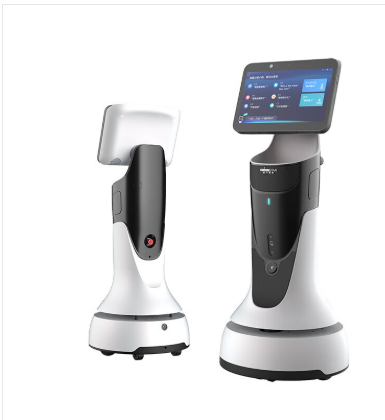
Patient experience has become a critical measure of healthcare quality, and robotic technologies are playing an increasingly important role in enhancing patient satisfaction levels. Interactive patient service robots can provide multilingual support, answer common questions, and guide visitors through hospital facilities. These systems ensure consistent information delivery while freeing human staff to address more complex patient needs and concerns.
The personalization capabilities of modern healthcare robotics extend beyond basic information services to include customized care reminders, entertainment options, and emotional support functions. These features are particularly valuable for patients with extended hospital stays or those requiring long-term care management, as they help maintain engagement and emotional well-being throughout the treatment process.
Accessibility and Mobility Support
Robotic technologies are significantly improving accessibility for patients with mobility challenges or disabilities. Assistive robots can provide physical support for patient transfers, mobility training, and rehabilitation exercises. These systems ensure patient safety while reducing the physical demands on healthcare staff, creating a more sustainable approach to patient care delivery.
The implementation of mobility support robotics has demonstrated improvements in patient independence and rehabilitation outcomes. These systems can adapt to individual patient needs, provide consistent therapy protocols, and track progress over time, enabling more effective treatment planning and goal achievement for patients with complex mobility requirements.
Future Implications and Strategic Considerations
Technology Integration and Scalability
The successful adoption of advanced robot technologies requires careful consideration of integration challenges and scalability requirements. Hospitals must evaluate their existing technology infrastructure, staff readiness, and patient population needs when implementing robotic systems. Strategic planning ensures that technology investments align with organizational goals and deliver measurable returns on investment.
Scalability considerations include the ability to expand robotic capabilities as needs evolve and technology advances. Healthcare organizations must select systems that can grow with their requirements while maintaining compatibility with existing workflows and electronic health record systems. This forward-thinking approach maximizes the value of technology investments and ensures long-term sustainability.
Ethical Considerations and Human-Technology Balance
The integration of robotics in healthcare raises important ethical considerations regarding the balance between technological efficiency and human compassion. Healthcare organizations must ensure that robotic implementation enhances rather than replaces the human elements of care that patients value most. This requires thoughtful deployment strategies that preserve meaningful human interactions while leveraging technology for improved outcomes.
Maintaining ethical standards in robotic healthcare deployment involves ongoing evaluation of patient preferences, staff satisfaction, and care quality metrics. Organizations must remain responsive to feedback and adjust implementation strategies to ensure that technology serves the fundamental mission of healthcare: improving human health and well-being through compassionate, effective care delivery.
FAQ
How do healthcare robotics improve patient safety compared to traditional methods
Healthcare robotics enhance patient safety through consistent performance, reduced human error rates, and precise execution of protocols. These systems eliminate variations in care delivery that can occur with human fatigue or distraction, while providing continuous monitoring capabilities that enable early intervention when complications arise. The integration of advanced sensors and artificial intelligence allows robotic systems to detect subtle changes in patient conditions that might be missed during routine human observations.
What are the primary cost considerations when hospitals invest in robotic technologies
Initial investment costs for healthcare robotics include equipment purchase, installation, training, and integration expenses. However, hospitals typically realize cost savings through reduced labor expenses, improved efficiency, decreased length of stay, and reduced complication rates. Long-term financial benefits often include lower insurance costs, improved patient satisfaction scores, and enhanced reputation that attracts more patients and skilled healthcare professionals to the organization.
How do healthcare professionals adapt to working alongside robotic systems
Healthcare professionals typically adapt to robotic systems through comprehensive training programs that emphasize collaboration rather than replacement. Most staff members find that robotics reduce their workload for routine tasks, allowing more time for direct patient interaction and complex clinical decision-making. Successful adaptation requires ongoing education, clear communication about system capabilities, and regular feedback mechanisms to ensure optimal human-robot collaboration.
What factors determine which robotic technologies are most suitable for specific hospital departments
Department-specific robotic technology selection depends on workflow requirements, patient demographics, staff capabilities, and budget considerations. Surgical departments may benefit most from precision robotic systems, while patient care units might prioritize monitoring and assistance robots. Emergency departments often require rapid-response logistics systems, whereas rehabilitation units focus on mobility assistance technologies. Successful implementation requires thorough needs assessment and pilot testing before full deployment.
Table of Contents
- Transforming Patient Care Through Robotic Innovation
- Operational Efficiency and Resource Optimization
- Addressing Critical Healthcare Workforce Challenges
- Patient Experience and Satisfaction Improvements
- Future Implications and Strategic Considerations
-
FAQ
- How do healthcare robotics improve patient safety compared to traditional methods
- What are the primary cost considerations when hospitals invest in robotic technologies
- How do healthcare professionals adapt to working alongside robotic systems
- What factors determine which robotic technologies are most suitable for specific hospital departments