
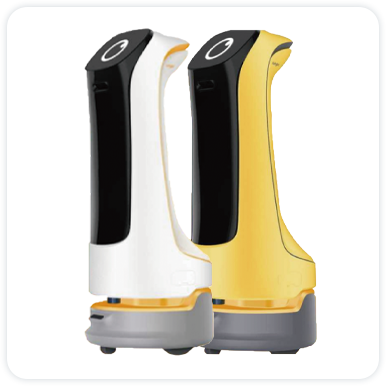
The modern retail landscape is rapidly evolving, with technology playing an increasingly pivotal role in shaping customer experiences and driving business success. Among the most transformative innovations making waves across shopping centers, department stores, and specialty retailers are retail robots. These sophisticated automated systems are revolutionizing how businesses interact with customers, streamline operations, and create memorable brand experiences that translate directly into increased sales and enhanced brand recognition.
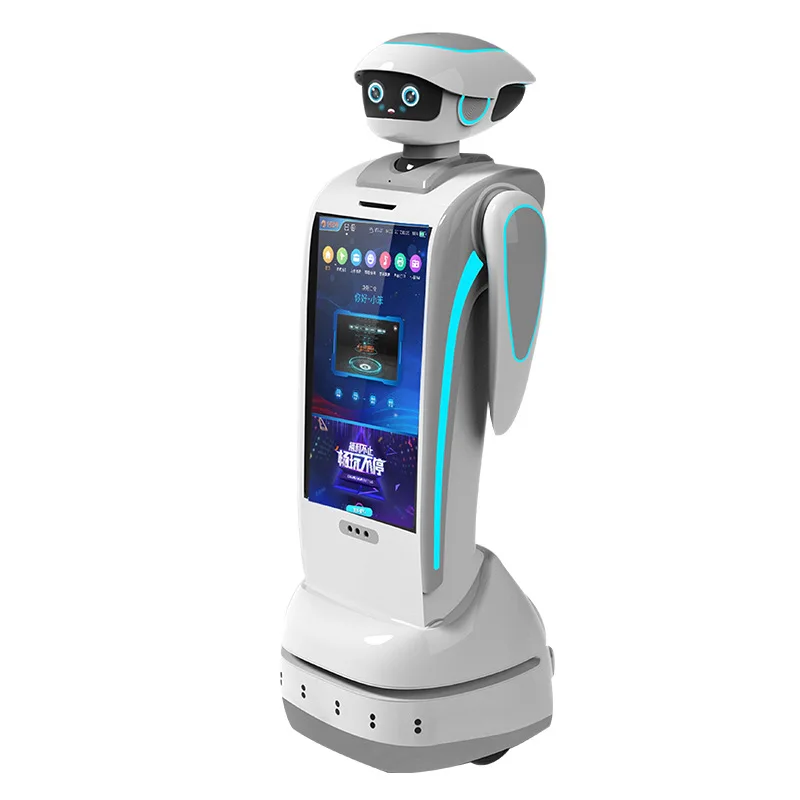
Today's consumers expect seamless, personalized shopping experiences that blend convenience with engagement. Retail robots are uniquely positioned to meet these expectations while simultaneously addressing critical business challenges such as labor shortages, operational inefficiencies, and the need for consistent customer service quality. These intelligent machines serve as both functional tools and powerful brand ambassadors, creating positive impressions that resonate long after customers leave the store.
Understanding the Impact of Retail Robots on Customer Experience
Creating Memorable First Impressions
The moment customers enter a retail environment equipped with retail robots, they encounter something extraordinary that sets the business apart from competitors. These advanced systems serve as sophisticated greeters, capable of recognizing returning customers, providing personalized welcomes, and immediately establishing a connection that traditional static displays simply cannot match. The novelty factor alone generates positive emotions and social media sharing opportunities that extend brand reach organically.
Modern retail robots are designed with appealing aesthetics and intuitive interfaces that invite interaction rather than intimidation. Their presence signals innovation and forward-thinking leadership, positioning brands as technology pioneers in their respective markets. This perception advantage becomes particularly valuable when competing for tech-savvy consumers who appreciate businesses that embrace cutting-edge solutions to enhance their shopping experience.
Delivering Consistent Service Excellence
Unlike human staff members who may have varying energy levels, moods, or knowledge gaps, retail robots provide consistent, reliable service throughout operating hours. They never take breaks, never have bad days, and always maintain the same professional demeanor and comprehensive product knowledge. This consistency builds trust and reliability in the brand, essential components of long-term customer loyalty and repeat business.
The 24/7 availability of retail robots ensures that customers receive immediate assistance regardless of when they visit or how busy the store becomes. During peak shopping periods, these systems can handle multiple customer inquiries simultaneously, reducing wait times and preventing the frustration that often leads to abandoned purchases and negative reviews.
Strategic Applications Driving Sales Growth
Product Discovery and Navigation Assistance
Retail robots excel at helping customers locate specific products, discover new items that match their preferences, and navigate complex store layouts efficiently. By analyzing customer requests and shopping patterns, these systems can suggest complementary products, seasonal items, and promotional offers that increase average transaction values. Their ability to access real-time inventory data ensures customers are directed only to available products, reducing disappointment and improving conversion rates.
The interactive nature of retail robots transforms routine shopping trips into engaging experiences. Customers often spend more time exploring product categories they might otherwise overlook when guided by knowledgeable robotic assistants. This extended engagement translates into higher sales volumes and increased customer satisfaction scores that drive positive word-of-mouth marketing.
Personalized Recommendations and Upselling
Advanced retail robots leverage artificial intelligence and machine learning algorithms to analyze customer behavior, preferences, and purchase history. This data enables them to provide highly targeted product recommendations that feel natural and helpful rather than pushy or invasive. By suggesting items that genuinely match customer needs and interests, these systems achieve remarkably high conversion rates on recommended products.
The non-threatening nature of robotic recommendations often makes customers more receptive to upselling and cross-selling suggestions. Unlike human sales associates who may be perceived as having ulterior motives, retail robots are viewed as neutral helpers focused solely on customer satisfaction. This perception advantage allows them to introduce higher-value alternatives or complementary products with greater success rates.
Operational Efficiency and Cost Management Benefits
Streamlined Store Operations
Retail robots contribute significantly to operational efficiency by automating routine tasks that traditionally require human staff time and attention. They can conduct inventory checks, monitor stock levels, and alert management to replenishment needs in real-time. This automation frees human employees to focus on higher-value activities such as complex customer service situations, merchandising, and relationship building.
The data collection capabilities of retail robots provide valuable insights into customer traffic patterns, popular products, and shopping behaviors that inform strategic decision-making. Store managers can optimize layouts, adjust staffing levels, and plan promotional activities based on accurate, comprehensive data rather than assumptions or limited observations.
Reducing Labor Costs and Dependencies
In an era of increasing labor costs and staffing challenges, retail robots offer a cost-effective solution that provides consistent service without the ongoing expenses associated with human employees. While the initial investment may be substantial, the long-term savings in wages, benefits, training costs, and turnover-related expenses make retail robots an attractive financial proposition for many businesses.
These systems also provide valuable continuity during staff shortages, sick days, or high-turnover periods that might otherwise compromise customer service quality. By maintaining service standards regardless of staffing challenges, retail robots help preserve brand reputation and customer satisfaction during difficult operational periods.
Technology Integration and Future-Ready Features
Advanced Communication Capabilities
Modern retail robots incorporate sophisticated natural language processing and voice recognition technologies that enable smooth, conversational interactions with customers. They can understand multiple languages, recognize speech patterns, and respond appropriately to various communication styles and preferences. This linguistic flexibility makes them valuable assets for businesses serving diverse customer populations.
The visual displays and interactive touchscreens integrated into retail robots provide multimedia experiences that can showcase products, demonstrate features, and deliver promotional content in engaging formats. These capabilities transform simple product inquiries into immersive brand experiences that educate customers while building emotional connections to products and services.
Data Analytics and Business Intelligence
Retail robots continuously collect and analyze customer interaction data, providing businesses with unprecedented insights into shopping behaviors, preferences, and trends. This information enables more accurate demand forecasting, optimized inventory management, and targeted marketing campaigns that maximize return on investment. The analytical capabilities of retail robots transform them from simple service tools into strategic business intelligence assets.
The real-time reporting features built into retail robots allow managers to monitor performance metrics, customer satisfaction levels, and operational efficiency indicators throughout the day. This immediate feedback enables quick adjustments to improve service delivery and address issues before they escalate into larger problems that could negatively impact sales or brand perception.
Brand Differentiation and Competitive Advantages
Innovation Leadership Positioning
Businesses that deploy retail robots position themselves as innovation leaders within their industries, attracting customers who value progressive approaches to service delivery. This positioning advantage becomes increasingly important as consumers gravitate toward brands that demonstrate technological sophistication and forward-thinking strategies. The presence of retail robots signals investment in customer experience and commitment to staying ahead of market trends.
The marketing value of retail robots extends beyond their functional capabilities to include significant public relations and social media benefits. Customers frequently photograph and share their interactions with these systems, generating organic marketing content that reaches extended networks and drives brand awareness among potential new customers.
Enhanced Customer Engagement Strategies
Retail robots excel at creating interactive experiences that keep customers engaged throughout their shopping journey. They can conduct surveys, collect feedback, and facilitate contests or promotional activities that increase dwell time and encourage repeat visits. These engagement strategies build stronger relationships between brands and customers while generating valuable market research data.
The entertainment value provided by retail robots appeals particularly to younger demographics who appreciate technological innovation and interactive experiences. By attracting and engaging these influential consumer groups, businesses can build long-term brand loyalty and benefit from the social sharing behaviors that characterize digital native generations.
Implementation Considerations and Best Practices
Strategic Planning and Integration
Successful retail robots implementations require careful planning that considers store layout, customer flow patterns, and specific business objectives. The placement and programming of these systems should align with overall brand strategies and complement existing customer service approaches rather than replacing human interaction entirely. The most effective deployments use retail robots to handle routine inquiries while reserving complex situations for human staff.
Training programs for human employees should emphasize collaboration with retail robots rather than competition or replacement concerns. When staff members understand how to work effectively alongside robotic systems, the combined service capabilities exceed what either humans or machines could achieve independently. This collaborative approach maximizes the investment return while maintaining positive workplace dynamics.
Maintenance and Performance Optimization
Regular maintenance schedules and software updates ensure retail robots continue operating at peak performance levels while incorporating new features and capabilities as they become available. Businesses should establish relationships with qualified technical support providers and maintain backup systems or procedures to minimize service disruptions during maintenance periods.
Continuous monitoring of customer interactions and feedback helps identify opportunities for improvement and customization. Retail robots should be viewed as evolving systems that can be refined and optimized based on actual usage patterns and customer preferences rather than static installations with fixed capabilities.
Measuring Success and Return on Investment
Key Performance Indicators
Effective measurement of retail robots performance requires tracking multiple metrics including customer satisfaction scores, sales conversion rates, average transaction values, and operational efficiency improvements. These quantitative measures should be supplemented with qualitative feedback from customers and staff to provide comprehensive performance assessments that guide optimization efforts.
Long-term success metrics for retail robots extend beyond immediate sales impacts to include brand perception improvements, customer loyalty increases, and competitive positioning advantages. These broader measures often represent the most significant value creation opportunities and justify continued investment in robotic technologies.
Financial Impact Assessment
The financial benefits of retail robots typically compound over time as systems become more sophisticated and businesses develop expertise in maximizing their capabilities. Initial cost recovery may focus on labor savings and operational efficiencies, while long-term value creation comes from enhanced customer experiences, increased sales, and improved brand positioning.
Comprehensive financial analysis should consider both direct cost savings and indirect benefits such as reduced training expenses, decreased turnover costs, and improved customer retention rates. These broader economic impacts often exceed the obvious operational savings and provide compelling justification for retail robots investments.
FAQ
How do retail robots integrate with existing store management systems
Retail robots typically connect to existing point-of-sale systems, inventory management platforms, and customer relationship management databases through standard APIs and integration protocols. This connectivity enables real-time access to product information, pricing data, and customer records necessary for providing accurate, personalized service. Most modern retail robots are designed for seamless integration with popular retail software platforms.
What happens when retail robots encounter situations they cannot handle
Advanced retail robots are programmed to recognize their limitations and gracefully escalate complex situations to human staff members. They can summon assistance, transfer customer information to human associates, and continue monitoring the interaction to learn from the resolution process. This escalation capability ensures customers always receive appropriate help while protecting the robot's reputation and the overall service experience.
How do customers typically respond to interacting with retail robots
Customer reactions to retail robots are generally positive, with many expressing curiosity, amusement, and appreciation for the innovative service approach. Younger customers tend to be particularly enthusiastic, while older demographics may initially show hesitation but usually develop positive attitudes after successful interactions. The key to acceptance is ensuring robots provide genuine value rather than serving as mere novelties.
What maintenance requirements do retail robots have
Retail robots require regular software updates, hardware cleaning, battery maintenance, and periodic calibration of sensors and navigation systems. Most manufacturers provide comprehensive maintenance programs that include remote monitoring, scheduled service visits, and technical support to minimize downtime. Preventive maintenance schedules typically involve daily, weekly, and monthly check procedures that can be performed by store staff or service technicians.
Table of Contents
- Understanding the Impact of Retail Robots on Customer Experience
- Strategic Applications Driving Sales Growth
- Operational Efficiency and Cost Management Benefits
- Technology Integration and Future-Ready Features
- Brand Differentiation and Competitive Advantages
- Implementation Considerations and Best Practices
- Measuring Success and Return on Investment
- FAQ