
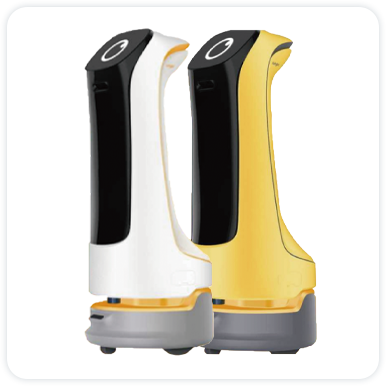
The retail landscape is experiencing a revolutionary transformation as businesses increasingly adopt advanced automation technologies. Retail robots have emerged as game-changing solutions that enhance operational efficiency while delivering exceptional customer experiences. These sophisticated machines are reshaping how stores operate, from inventory management to customer service, creating unprecedented opportunities for retailers to streamline their operations and boost profitability.
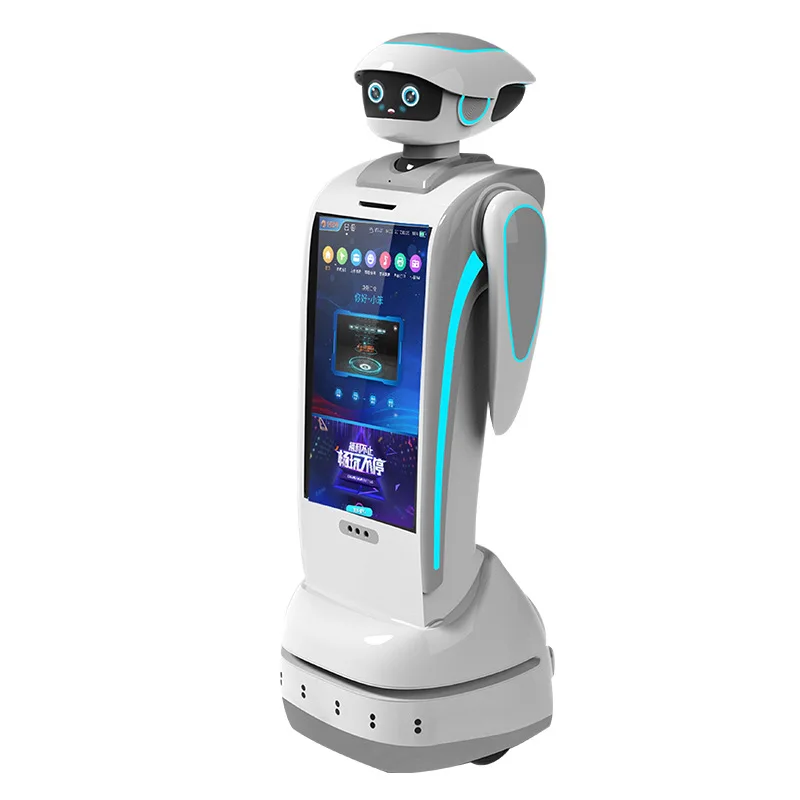
Modern retail environments demand innovative solutions to meet evolving consumer expectations and competitive pressures. Retail robots represent a strategic investment that addresses multiple operational challenges simultaneously, from reducing labor costs to improving accuracy in various store functions. The implementation of these intelligent systems has proven particularly valuable for retailers seeking to maintain competitive advantages in an increasingly digital marketplace.
Enhanced Customer Service and Engagement
Personalized Shopping Assistance
Retail robots excel at providing personalized shopping assistance that enhances the overall customer experience. These intelligent machines can analyze customer preferences, purchase history, and behavioral patterns to offer tailored product recommendations. Unlike human staff who may have limited product knowledge or availability, retail robots maintain consistent access to comprehensive product databases and can provide detailed information about specifications, availability, and pricing across entire inventories.
The interactive capabilities of modern retail robots enable customers to engage through multiple communication channels, including voice commands, touchscreen interfaces, and mobile app integration. This versatility ensures that customers with different preferences and technological comfort levels can access assistance in their preferred format. Additionally, retail robots can process multiple languages, making them invaluable assets for stores serving diverse customer demographics.
24/7 Availability and Consistency
One of the most significant advantages of implementing retail robots is their ability to provide consistent service around the clock. Unlike human employees who require breaks, shifts, and time off, these automated systems can operate continuously during store hours and even assist with after-hours inquiries through integrated communication systems. This constant availability ensures that customers receive immediate assistance regardless of when they visit or contact the store.
The consistency factor extends beyond availability to include service quality. Retail robots deliver standardized interactions that maintain brand standards and ensure every customer receives the same high level of service. This reliability eliminates variations in customer experience that can occur due to human factors such as mood, energy levels, or individual knowledge gaps among staff members.
Operational Efficiency and Cost Reduction
Streamlined Inventory Management
Retail robots significantly enhance inventory management processes through automated tracking, monitoring, and reporting capabilities. These systems can conduct regular inventory counts with remarkable precision, identifying discrepancies and tracking product movements in real-time. The integration of advanced sensors and scanning technologies allows retail robots to maintain accurate inventory records while reducing the time and labor traditionally required for manual counting procedures.
The automated nature of robot-assisted inventory management minimizes human error and provides managers with detailed analytics about stock levels, product performance, and replenishment needs. This data-driven approach enables retailers to optimize their ordering processes, reduce overstock situations, and prevent stockouts that could result in lost sales opportunities. The continuous monitoring capabilities of retail robots also help identify theft or shrinkage issues more quickly than traditional methods.
Labor Cost Optimization
Implementing retail robots creates opportunities for significant labor cost optimization without compromising service quality. While these systems require initial investment, they eliminate ongoing expenses associated with employee wages, benefits, training, and turnover. Retail robots can handle routine tasks that typically require multiple human workers, allowing businesses to reallocate human resources to more strategic, creative, or complex responsibilities that add greater value.
The productivity gains achieved through retail robots often exceed expectations, as these systems can work at consistent speeds without fatigue or performance degradation. They can simultaneously handle multiple tasks, process information rapidly, and maintain accuracy levels that surpass human capabilities in many operational areas. This enhanced productivity translates directly into improved profitability and competitive positioning for retail businesses.
Advanced Technology Integration
Artificial Intelligence and Machine Learning
Modern retail robots incorporate sophisticated artificial intelligence and machine learning algorithms that enable them to adapt and improve their performance over time. These intelligent systems analyze customer interactions, store patterns, and operational data to continuously refine their responses and recommendations. The learning capabilities of retail robots allow them to identify trends, predict customer needs, and suggest proactive solutions that enhance both operational efficiency and customer satisfaction.
The AI integration extends to natural language processing capabilities that enable retail robots to understand and respond to complex customer inquiries in conversational formats. This technology advancement makes interactions feel more natural and intuitive, reducing the learning curve for customers who may be hesitant to engage with automated systems. The continuous improvement aspect ensures that retail robots become more effective and valuable assets as they accumulate operational experience.
Integration with Existing Systems
Retail robots are designed to integrate seamlessly with existing point-of-sale systems, inventory management software, and customer relationship management platforms. This integration capability ensures that automated systems have access to real-time data and can provide accurate information about product availability, pricing, and customer preferences. The connectivity also enables retail robots to update systems automatically based on their interactions and observations.
The integration extends to mobile applications and online platforms, creating omnichannel experiences that bridge the gap between physical and digital retail environments. Customers can begin interactions with retail robots in-store and continue them through mobile apps, or vice versa, creating seamless shopping experiences that meet modern consumer expectations for convenience and continuity.
Safety and Security Benefits
Enhanced Store Security
Retail robots contribute significantly to store security through continuous monitoring and surveillance capabilities. Equipped with advanced camera systems and motion sensors, these machines can detect unusual activities, monitor high-value merchandise areas, and provide real-time security alerts to management. The presence of retail robots also serves as a visible deterrent to potential shoplifters and creates an additional layer of security beyond traditional surveillance systems.
The automated nature of robot-based security monitoring ensures consistent vigilance without human limitations such as attention fatigue or distraction. Retail robots can maintain detailed logs of security incidents, track suspicious behaviors, and coordinate with existing security systems to provide comprehensive protection for merchandise and customers. This enhanced security capability helps retailers reduce shrinkage and create safer shopping environments.
Contactless Service Options
The implementation of retail robots addresses growing consumer preferences for contactless service options, particularly in post-pandemic retail environments. These systems enable customers to obtain information, make purchases, and receive assistance without direct human contact, reducing health concerns while maintaining service quality. The touchless interaction capabilities include voice commands, gesture recognition, and mobile app integration that eliminate the need for physical contact with shared surfaces.
Contactless service through retail robots also appeals to customers who prefer self-service options or feel more comfortable interacting with technology rather than human staff for certain types of inquiries. This flexibility accommodates diverse customer preferences and creates inclusive shopping experiences that cater to different comfort levels and interaction styles.
Data Analytics and Business Intelligence
Customer Behavior Insights
Retail robots generate valuable data about customer behavior patterns, preferences, and shopping habits through their continuous interactions and observations. This information provides retailers with deep insights into how customers navigate stores, which products generate the most interest, and what factors influence purchasing decisions. The analytical capabilities of retail robots enable businesses to identify opportunities for store layout optimization, product placement improvements, and targeted marketing strategies.
The data collection extends to understanding peak shopping times, common customer questions, and service preferences that inform staffing decisions and operational planning. Retail robots can track customer satisfaction metrics through interaction feedback and identify areas where additional training or system improvements might enhance the shopping experience. This continuous feedback loop creates opportunities for ongoing optimization and customer experience enhancement.
Performance Monitoring and Optimization
The analytical capabilities of retail robots extend to monitoring their own performance and identifying optimization opportunities. These systems can track response times, accuracy rates, customer satisfaction scores, and operational efficiency metrics to provide managers with comprehensive performance reports. The self-monitoring capabilities enable proactive maintenance scheduling and system updates that ensure consistent performance levels.
Performance data from retail robots also helps retailers make informed decisions about system expansion, feature additions, and operational modifications. The detailed analytics enable businesses to calculate return on investment, identify successful implementation strategies, and plan future automation initiatives based on concrete performance evidence rather than assumptions or estimates.
FAQ
How do retail robots impact employment in the retail sector
Retail robots typically complement rather than completely replace human workers, creating opportunities for employees to focus on higher-value tasks such as complex customer service, creative problem-solving, and strategic planning. While some routine positions may be automated, the implementation of retail robots often creates new roles in system management, technical support, and customer experience enhancement that require human skills and judgment.
What is the typical return on investment timeline for retail robots
Most retailers experience positive returns on retail robot investments within 12 to 24 months of implementation, depending on the scale of deployment and specific use cases. The return on investment accelerates as businesses optimize their use of the technology and expand applications beyond initial implementations. Factors such as labor cost savings, improved efficiency, and enhanced customer satisfaction contribute to the overall financial benefits.
How do customers typically respond to interactions with retail robots
Customer responses to retail robots are generally positive, particularly among younger demographics who are comfortable with technology interactions. Many customers appreciate the consistent availability, quick response times, and comprehensive product knowledge that retail robots provide. Proper introduction and training help customers become comfortable with the technology, leading to increased acceptance and utilization over time.
What maintenance requirements do retail robots have
Retail robots require regular software updates, periodic hardware maintenance, and routine cleaning to ensure optimal performance. Most systems include predictive maintenance capabilities that alert operators to potential issues before they impact operations. The maintenance requirements are generally straightforward and can be managed through service contracts with manufacturers or trained in-house technical staff, making ongoing operation manageable for most retail businesses.