
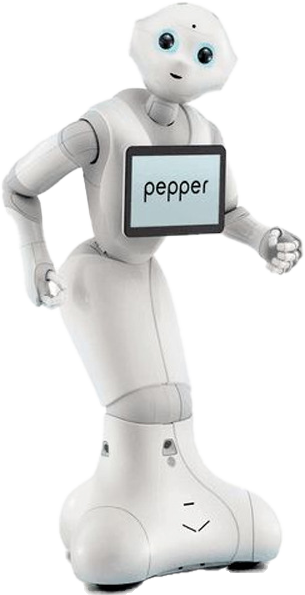
Selecting the right reception robot for a high-end office building requires careful consideration of multiple technical, operational, and brand-related factors that directly impact user experience, building prestige, and long-term operational efficiency. High-end commercial properties demand sophisticated automation solutions that reflect their premium positioning while delivering consistent, reliable service to visitors, tenants, and guests. The decision to invest in a reception robot brand involves evaluating not just immediate functionality but also the vendor's track record, technical support infrastructure, customization capabilities, and alignment with the building's architectural and operational standards. As automated reception solutions become increasingly prevalent in prestigious office environments, understanding the selection criteria becomes essential for facility managers, building owners, and corporate decision-makers who seek to enhance their property's technological sophistication.
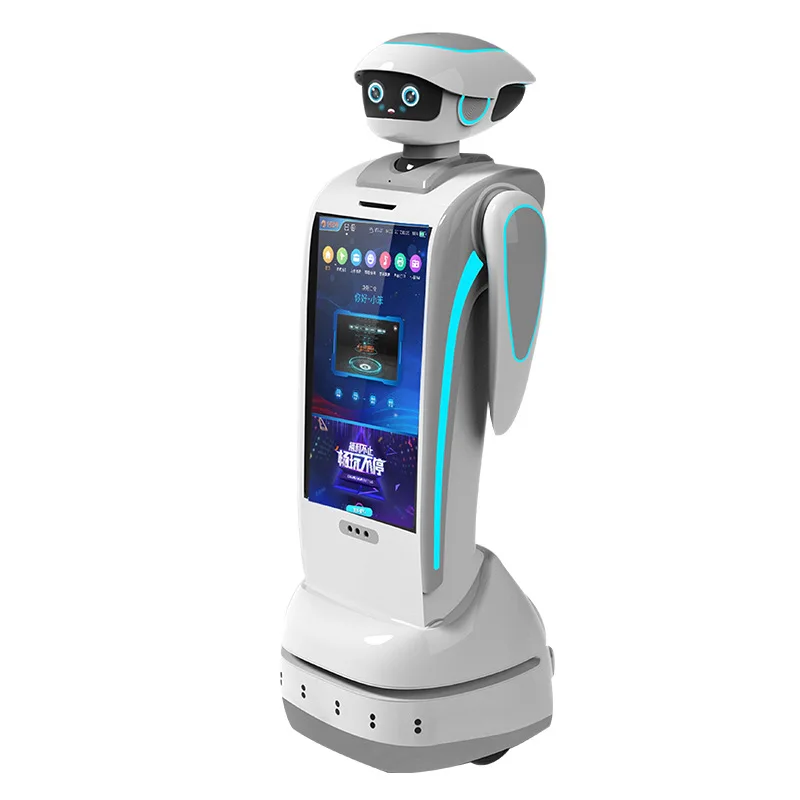
The process of choosing a reception robot brand extends beyond comparing product specifications to encompass strategic considerations about integration capabilities, aesthetic compatibility with premium interiors, multilingual communication requirements, data security protocols, and the vendor's capacity to provide ongoing technical support and software updates. High-end office buildings operate under unique constraints that include maintaining visual elegance, ensuring seamless visitor flow, protecting confidential corporate information, and upholding the professional image that tenants and visitors expect. The right reception robot brand must demonstrate not only technological competence but also an understanding of the commercial real estate sector's specific demands, including compliance with building management systems, adherence to accessibility standards, and the ability to customize features that align with the building's operational protocols and brand identity.
Understanding Core Technical Requirements for Premium Office Environments
Navigation and Spatial Intelligence Capabilities
When evaluating a reception robot brand for high-end office buildings, navigation precision and spatial awareness represent fundamental technical requirements that directly affect operational reliability. Premium commercial properties typically feature complex lobby layouts with variable lighting conditions, reflective surfaces, and high pedestrian traffic volumes that challenge autonomous navigation systems. The chosen reception robot must demonstrate advanced obstacle detection capabilities using multi-sensor fusion technology that combines lidar, depth cameras, and ultrasonic sensors to maintain safe operation in dynamic environments. Brands that invest in proprietary mapping algorithms and real-time path planning demonstrate superior performance in adapting to temporary obstacles such as maintenance equipment, delivery carts, or visitor groups that frequently appear in busy lobby areas.
The spatial intelligence of a reception robot also determines its ability to position itself appropriately for different interaction scenarios, whether greeting visitors at entrance points, guiding guests to specific floors, or returning to designated standby locations during low-traffic periods. High-quality brands incorporate machine learning systems that enable the robot to optimize its positioning based on traffic patterns observed over time, ensuring it remains accessible without obstructing primary circulation paths. Buildings with multiple entry points or complex reception areas require reception robot systems that can coordinate movement across zones while maintaining awareness of elevator locations, security checkpoints, and tenant-specific access protocols. The brand's approach to continuous navigation improvement through software updates and remote diagnostics indicates long-term operational reliability that justifies premium investment.
Interaction Interface and User Experience Design
The interaction quality of a reception robot profoundly influences visitor perception of the building's technological sophistication and service standards. Premium office environments demand intuitive interfaces that accommodate diverse user demographics, including international visitors, elderly guests, and individuals with varying levels of technological familiarity. Leading reception robot brands invest significantly in user experience research to develop touchscreen interfaces with clear visual hierarchies, responsive feedback mechanisms, and accessibility features that comply with commercial building standards. The interface design should reflect the building's brand identity through customizable color schemes, logo integration, and typography choices that maintain visual consistency with the property's broader design language.
Voice interaction capabilities represent another critical dimension of user experience that distinguishes superior reception robot brands from basic alternatives. Natural language processing systems must accurately interpret visitor inquiries despite accent variations, background noise from HVAC systems, and the acoustic challenges of hard-surfaced lobby spaces typical in modern office architecture. Brands that offer multilingual voice recognition with seamless language switching capabilities provide significant advantages for international business centers and buildings hosting multinational corporations. The robot's speech synthesis quality, response latency, and conversational flow directly affect whether visitors perceive the technology as helpful or frustrating, making these factors essential evaluation criteria for high-end applications where service quality expectations remain exceptionally high.
Integration with Building Management and Security Systems
A reception robot deployed in a high-end office building cannot function as an isolated system but must integrate seamlessly with the property's existing technology infrastructure. Professional-grade brands offer robust API frameworks and middleware solutions that enable connectivity with visitor management systems, elevator control platforms, access control databases, and emergency notification networks. This integration capability allows the reception robot to verify visitor appointments against scheduling systems, automatically dispatch elevators to appropriate floors, generate temporary access credentials, and provide real-time occupancy data to building management platforms. The brand's technical documentation, integration support services, and experience with similar commercial deployments indicate the likelihood of successful implementation within complex building technology ecosystems.
Security considerations take particular prominence in high-end office environments where tenant confidentiality, corporate data protection, and physical security protocols demand rigorous compliance. The chosen reception robot brand must demonstrate clear data handling policies, encrypted communication protocols, and secure storage mechanisms for visitor information collected during interaction sessions. Reputable brands provide detailed security certifications, regular vulnerability assessments, and transparent incident response procedures that align with corporate information security standards. Additionally, the physical design of the reception robot should incorporate tamper-resistant components and secure mounting for any integrated camera or sensor systems to prevent unauthorized access or manipulation that could compromise building security protocols.
Evaluating Brand Reputation and Market Positioning
Industry Track Record and Reference Installations
The reputation of a reception robot brand within the commercial real estate sector provides valuable insight into reliability, support quality, and long-term viability. Established brands with documented deployments in comparable high-end office buildings offer reduced implementation risk compared to newer entrants with limited field experience in demanding commercial environments. When evaluating brands, requesting detailed case studies, site visit opportunities, and direct references from facility managers operating similar buildings enables informed assessment of real-world performance beyond marketing claims. The longevity of existing installations, frequency of technical issues, and client satisfaction levels revealed through reference conversations provide essential intelligence that specification sheets cannot convey.
Market positioning also influences the appropriateness of a reception robot brand for premium applications. Brands that specifically target high-end commercial segments typically invest more heavily in industrial design, premium materials, and aesthetic refinement compared to vendors serving broader markets with price-sensitive customers. The visual sophistication of the robot's physical design, quality of surface finishes, and attention to details such as cable management and charging dock appearance reflect the brand's understanding of premium environment requirements. Office buildings seeking to project technological leadership and design excellence require reception robot solutions from brands that share their commitment to visual quality and operational excellence rather than commodity-focused alternatives that prioritize cost reduction over user experience.
Technical Support Infrastructure and Service Commitment
The operational continuity of a reception robot in a high-traffic office building depends critically on the brand's technical support infrastructure and service commitment. Premium environments cannot tolerate extended downtime or delayed response to technical issues that would leave the reception area understaffed during business hours. Brands offering dedicated account management, local service technicians, rapid parts availability, and comprehensive service level agreements demonstrate the operational support necessary for mission-critical deployments. The availability of preventive maintenance programs, remote diagnostic capabilities, and proactive software updates indicates a brand's commitment to maximizing uptime and minimizing disruption to building operations.
Training and knowledge transfer represent additional service dimensions that differentiate professional-grade reception robot brands from consumer-oriented alternatives. Comprehensive operator training programs ensure building staff can manage routine tasks such as content updates, schedule adjustments, and basic troubleshooting without requiring vendor intervention for minor issues. Brands that provide detailed documentation, online learning resources, and periodic refresh training sessions enable building management teams to maintain operational competence as staff turnover occurs. The vendor's responsiveness to feature requests, willingness to customize functionality for specific building requirements, and transparency about product roadmap development further indicate partnership quality that extends beyond transactional equipment supply to ongoing collaborative improvement of the reception automation system.
Financial Stability and Long-Term Viability
Investing in a reception robot for a high-end office building represents a multi-year commitment that requires confidence in the brand's financial stability and long-term market presence. Technology vendors facing financial difficulties may reduce research and development investment, discontinue product lines, or fail to honor warranty commitments, leaving building owners with unsupported equipment that cannot receive critical security updates or compatibility patches as building systems evolve. Evaluating the brand's financial health through available public information, funding announcements, customer base growth, and market analysis helps assess sustainability risk before committing to a particular vendor.
The brand's business model also influences long-term cost predictability and support continuity. Some reception robot vendors employ subscription-based models that bundle hardware, software updates, and support services into predictable monthly fees, while others use capital purchase structures with separate maintenance contracts. Understanding the total cost of ownership over the expected deployment period, including software licensing fees, connectivity charges, consumable replacements, and upgrade paths, enables accurate financial comparison between brands. Premium office buildings benefit from selecting brands with transparent pricing structures, clear terms for software updates and feature enhancements, and reasonable end-of-life migration paths that protect the initial technology investment while allowing graceful transitions as newer generations of reception robot technology become available.
Assessing Customization and Brand Alignment Capabilities
Visual Design Customization and Aesthetic Integration
High-end office buildings maintain carefully curated visual identities that extend across architectural finishes, furniture selections, artwork, and technology deployments. The reception robot brand selected must offer sufficient customization capabilities to harmonize with the building's established aesthetic rather than introducing visual discord that diminishes the property's design coherence. Leading brands provide options for custom exterior panels, selectable color schemes, configurable display bezels, and even bespoke industrial design services for ultra-premium installations where visual integration justifies additional investment. The ability to preview customization options through photorealistic renderings or augmented reality visualization tools helps building owners make confident decisions about aesthetic compatibility before committing to a particular brand.
Beyond physical appearance, the reception robot interface must support visual customization that reinforces the building's brand identity through consistent use of logos, typography, color palettes, and imagery. Brands offering comprehensive content management systems with designer-friendly tools enable building marketing teams to create welcome screens, wayfinding content, and informational displays that maintain visual consistency with other building signage and digital displays. The flexibility to adjust interface layouts, animation styles, and interaction flows allows tailoring the reception robot experience to match the building's service philosophy, whether emphasizing efficiency and minimalism or hospitality and engagement. This level of customization capability distinguishes brands focused on premium commercial applications from those offering standardized consumer-grade products with limited personalization options.
Functional Customization for Building-Specific Requirements
Every high-end office building operates under unique protocols, tenant requirements, and service models that standard reception robot configurations may not fully address. The chosen brand must demonstrate willingness and technical capability to customize functionality beyond off-the-shelf features. This might include developing custom integrations with proprietary tenant management systems, implementing specialized visitor workflows for buildings with complex security clearance processes, or creating unique interaction modes for buildings hosting frequent events or serving specialized industries with particular communication requirements. Brands with flexible software architectures, accessible development APIs, and responsive engineering teams can accommodate these specialized needs more effectively than vendors offering rigid, unchangeable systems.
The extensibility of the reception robot platform determines its ability to evolve alongside changing building requirements and tenant expectations. Forward-thinking brands design their systems with modular architectures that allow adding capabilities such as thermal screening integration, package delivery coordination, or tenant directory synchronization as needs emerge without requiring complete system replacement. Buildings benefit from selecting reception robot brands that view their product as an evolving platform rather than a fixed appliance, demonstrated through regular feature releases, active developer communities, and clear technology roadmaps that indicate ongoing innovation commitment. This platform approach protects the initial investment by ensuring the reception robot remains relevant and capable as building technology strategies mature and new service opportunities emerge.
Multilingual and Cultural Adaptation Capabilities
Office buildings in international business districts or those hosting multinational corporations require reception robot brands with sophisticated multilingual capabilities that extend beyond simple translation to encompass cultural adaptation and localized interaction patterns. Premium brands invest in native-speaker voice talent, culturally appropriate gesture design, and localized content that respects communication preferences across different visitor demographics. The system should automatically detect visitor language preferences through initial interaction cues and seamlessly transition to appropriate language modes without requiring explicit menu selection that might create confusion or delay.
Cultural considerations also influence appropriate interaction styles, personal space management, and information presentation formats that vary significantly across different regions and visitor expectations. Reception robot brands with international deployment experience understand these nuances and incorporate configurable interaction parameters that building managers can adjust to match their specific visitor demographics. For buildings in multicultural urban centers, the ability to support multiple simultaneous languages, rapid language switching, and culturally neutral design elements that avoid unintended symbolism or messaging becomes particularly important. Evaluating the brand's linguistic capabilities, cultural sensitivity in design, and track record in diverse international markets helps ensure the selected reception robot will effectively serve the building's entire visitor population without creating accessibility barriers or cultural friction.
Analyzing Total Cost of Ownership and Value Proposition
Initial Investment and Implementation Costs
The acquisition cost of a reception robot for high-end office buildings encompasses multiple components beyond the base equipment price. Comprehensive budget planning must account for site preparation requirements such as charging infrastructure installation, network connectivity enhancements, and any necessary modifications to accommodate the robot's operational footprint and clearance requirements. Professional brands provide detailed site assessment services that identify these prerequisites early in the selection process, enabling accurate cost estimation before commitment. Implementation costs also include system configuration, content development, staff training, and integration work required to connect the reception robot with existing building systems, expenses that can vary significantly depending on the complexity of the building's technology environment and the brand's implementation methodology.
High-end office buildings should evaluate whether a reception robot brand offers turnkey implementation services that bundle site preparation, installation, configuration, and training into a single fixed-price package versus itemized approaches that may expose the project to scope creep and unexpected expenses. Brands with extensive commercial deployment experience typically provide more accurate initial cost estimates and better manage implementation timelines compared to vendors new to complex building environments. The investment decision should also consider whether the brand's pricing includes sufficient customization allowance to achieve the desired aesthetic and functional integration or whether additional charges apply for design services, custom development, or extended integration support that may be necessary to meet the building's specific requirements.
Ongoing Operational and Maintenance Expenses
The long-term viability of a reception robot deployment depends on sustainable operational costs that fit within the building's technology budget constraints. Recurring expenses include software licensing or subscription fees, connectivity charges if cellular communication is used, consumable replacements such as batteries or wear components, and scheduled maintenance services recommended by the manufacturer. Premium reception robot brands typically offer tiered maintenance programs ranging from basic reactive support to comprehensive preventive maintenance contracts that include regular inspections, software updates, and component replacements before failure occurs. Buildings must evaluate these options in the context of their risk tolerance and operational continuity requirements, recognizing that higher-tier maintenance programs reduce downtime risk but increase predictable ongoing costs.
Energy consumption and charging infrastructure represent additional operational considerations that vary among reception robot brands based on battery capacity, charging efficiency, and autonomous charging capabilities. Brands utilizing advanced battery management systems and energy-efficient motors reduce electricity costs while extending battery lifecycle, lowering long-term replacement expenses. The charging methodology also affects operational convenience, with some brands requiring manual connection to charging docks while others feature fully autonomous charging where the reception robot independently navigates to charging stations when battery levels decline. For high-traffic buildings where the reception robot operates continuously during business hours, charging strategy significantly impacts operational reliability and staff workload, making it an important brand selection criterion beyond the immediate purchase price.
Performance Metrics and Return on Investment
Justifying the investment in a premium reception robot brand requires demonstrating measurable value creation for the building's operations and tenant experience. Leading brands provide analytics platforms that quantify reception robot utilization through metrics such as visitor interaction volume, common inquiry categories, peak usage periods, and successful task completion rates. This data enables building management to assess whether the reception robot effectively addresses visitor needs, identify opportunities for content improvement, and document labor cost savings achieved through automation of routine reception tasks. Buildings can benchmark staffing costs for traditional reception coverage against the total cost of ownership for the reception robot system to calculate financial return periods and long-term cost advantages.
Beyond direct cost savings, reception robot deployment generates less tangible but strategically important benefits including enhanced building prestige, differentiation in competitive leasing markets, and demonstration of technology leadership that appeals to innovative tenants. Premium brands that understand these strategic value dimensions offer marketing support materials, tenant communication resources, and case study development assistance that help building owners capitalize on the reception robot investment through improved tenant satisfaction and enhanced market positioning. The brand's willingness to participate in building marketing activities, provide media-quality photography and video content, and support industry award submissions indicates recognition that successful deployments create mutual promotional value. When evaluating brands, considering both quantifiable operational benefits and strategic positioning advantages provides a comprehensive perspective on investment value that extends beyond simple cost comparison.
FAQ
What qualifications should I verify when evaluating reception robot brands for commercial deployment?
When assessing reception robot brands for high-end office buildings, verify relevant industry certifications such as safety standards compliance for autonomous mobile robots, electrical certifications for commercial building deployment, and data security certifications if the system processes visitor information. Request documentation of successful installations in comparable commercial properties, review the brand's technical support infrastructure including response time guarantees and parts availability, and confirm the vendor's financial stability through available business information. Additionally, evaluate the brand's software update policy, warranty terms, and willingness to provide demonstration units or trial periods that allow testing in your specific building environment before final commitment.
How important is the physical appearance of a reception robot compared to its technical capabilities?
In high-end office buildings, the physical appearance of a reception robot carries significant importance equal to technical performance because it directly influences visitor perception of the building's quality standards and attention to detail. A technically capable robot with poor industrial design, cheap materials, or mismatched aesthetics can diminish the property's prestige rather than enhance it. Premium office environments require reception robot brands that invest equally in visual design, material quality, and manufacturing precision alongside functional capabilities. The ideal selection balances sophisticated technical performance with refined physical design that complements the building's architectural character, creating a cohesive impression of technological sophistication and design excellence that reinforces the property's market positioning.
Can a reception robot brand provide multilingual support without compromising interaction quality?
Advanced reception robot brands successfully deliver high-quality multilingual support through investment in native-speaker voice synthesis, language-specific natural language processing models, and culturally adapted interaction designs. However, quality varies significantly among vendors, with some offering rudimentary machine translation while others provide professionally localized content and culturally appropriate communication styles. When evaluating brands for multilingual office buildings, request demonstrations in all required languages, verify that voice quality meets professional standards in each language, and confirm that the system can seamlessly switch languages mid-interaction without requiring menu navigation. Brands with international deployment experience and dedicated localization teams typically deliver superior multilingual performance compared to vendors adding language support as an afterthought to primarily monolingual systems.
What happens if the selected reception robot brand discontinues support or exits the market?
The risk of vendor discontinuation represents a legitimate concern when investing in specialized technology like reception robots for commercial buildings. Mitigate this risk by selecting financially stable brands with diversified customer bases, proven market presence, and transparent communication about business health and strategic direction. During contract negotiation, include provisions for source code escrow, data portability guarantees, and transition assistance if the vendor ceases operations or discontinues the product line. Established brands often provide migration paths to newer product generations and maintain support for legacy systems longer than smaller vendors. Additionally, choosing brands using industry-standard communication protocols and open API architectures reduces vendor lock-in by facilitating future integration with alternative systems if necessary, protecting your investment even if the original vendor relationship changes unexpectedly.
Table of Contents
- Understanding Core Technical Requirements for Premium Office Environments
- Evaluating Brand Reputation and Market Positioning
- Assessing Customization and Brand Alignment Capabilities
- Analyzing Total Cost of Ownership and Value Proposition
-
FAQ
- What qualifications should I verify when evaluating reception robot brands for commercial deployment?
- How important is the physical appearance of a reception robot compared to its technical capabilities?
- Can a reception robot brand provide multilingual support without compromising interaction quality?
- What happens if the selected reception robot brand discontinues support or exits the market?