
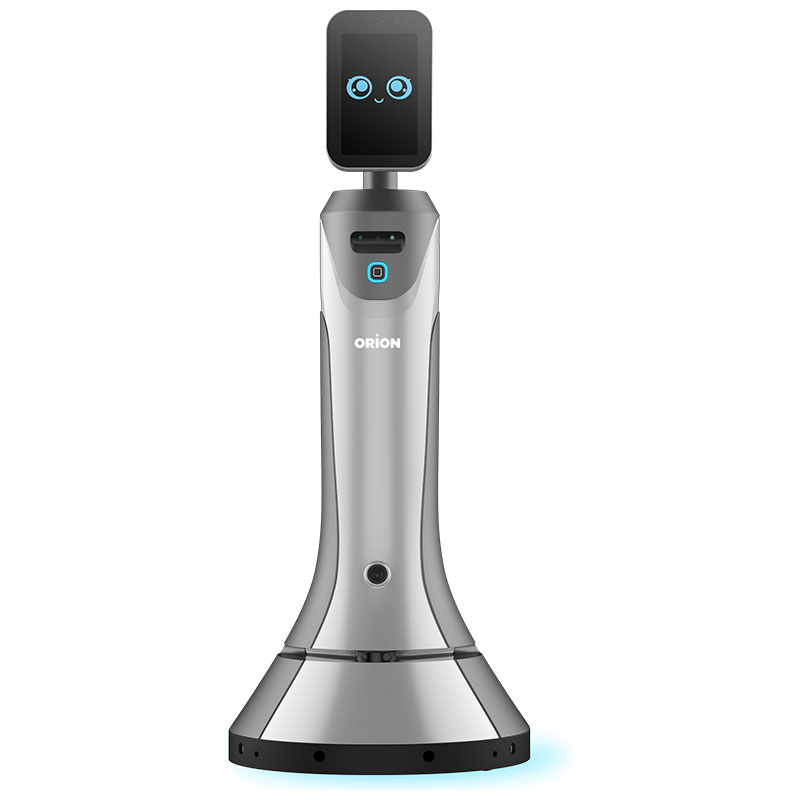
Getting a competitive quotation for an intelligent welcome robot in 2026 requires more than simply requesting a price list. The market for intelligent welcome robot solutions has grown significantly, meaning buyers now face a wide range of hardware configurations, software packages, and service tiers. Without a structured approach, procurement teams risk comparing incompatible offers or overpaying for features they do not need. Understanding the quotation process from the start will save both time and budget.
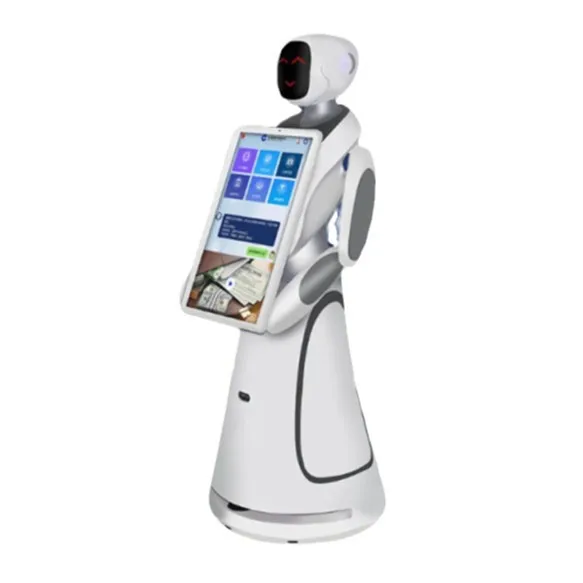
An intelligent welcome robot is no longer a novelty reserved for tech expos. Hotels, corporate offices, hospitals, retail showrooms, and government service centers are deploying intelligent welcome robot units to streamline front-desk operations. Because an intelligent welcome robot integrates voice control, face recognition, trackless navigation, and explanation capabilities, each quotation must account for multiple technical layers. This guide walks procurement professionals through every stage of obtaining a well-structured, competitive intelligent welcome robot quotation in 2026.
Defining Your Requirements Before Requesting a Quotation
Mapping the Operational Environment for an Intelligent Welcome Robot
Before contacting any supplier, the procurement team must clearly map the deployment environment. An intelligent welcome robot for a hotel lobby operates differently from an intelligent welcome robot placed in a hospital corridor. Ceiling height, floor surface, foot traffic density, and ambient noise levels all affect hardware selection. Documenting these conditions helps suppliers tailor an intelligent welcome robot quotation that reflects actual deployment costs rather than generic catalogue pricing.
Consider also whether the intelligent welcome robot must integrate with existing building management systems, CRM platforms, or visitor registration software. Each integration adds scope to the project. When suppliers understand the full technical environment, their intelligent welcome robot quotation becomes more precise and directly comparable to competing offers. Vague requirements produce vague quotes, and vague quotes waste procurement cycles.
Listing Core Features Required in an Intelligent Welcome Robot
Every intelligent welcome robot on the market offers a different combination of capabilities. Voice control, active greeting logic, multilingual support, face recognition accuracy, trackless autonomous movement, and content display screens are common differentiators. Prepare a written feature checklist before requesting an intelligent welcome robot quotation. Indicate which features are mandatory and which are optional. This approach allows suppliers to submit tiered pricing, giving your team clear visibility into the cost of each intelligent welcome robot capability layer.
Pay attention to the face recognition range and accuracy specification of each intelligent welcome robot option. A lobby with high visitor throughput requires a faster, more accurate intelligent welcome robot recognition module than a smaller, quieter reception area. Specifying these parameters upfront prevents surprises during commissioning and ensures the intelligent welcome robot quotation reflects the correct hardware tier from the beginning.
Structuring the Quotation Request for Maximum Comparability
Issuing a Formal RFQ for Your Intelligent Welcome Robot Procurement
A formal Request for Quotation document is the most effective tool for obtaining comparable intelligent welcome robot pricing across multiple suppliers. The RFQ should specify the exact quantity of intelligent welcome robot units, the required feature set, the deployment timeline, and the after-sales service expectations. When every supplier responds to the same intelligent welcome robot RFQ document, your team can evaluate offers side by side without ambiguity. Include questions about warranty length, software update policy, and remote diagnostics capability in every intelligent welcome robot RFQ.
Request that each intelligent welcome robot supplier break down the quotation into hardware cost, software licensing, installation, training, and annual maintenance. A bundled intelligent welcome robot quotation makes it difficult to identify where costs lie and harder to negotiate. Itemised pricing gives procurement teams leverage when discussing intelligent welcome robot contract terms and helps identify which supplier offers the strongest long-term value proposition beyond the initial purchase price.
Evaluating Total Cost of Ownership for an Intelligent Welcome Robot
The purchase price of an intelligent welcome robot is only one component of the total cost of ownership. Buyers must factor in software subscription fees, hardware replacement schedules, on-site maintenance visits, and staff training time. A low-priced intelligent welcome robot with high annual maintenance costs may ultimately be more expensive than a premium model with a comprehensive service agreement. Ask every intelligent welcome robot supplier to provide a three-year or five-year total cost projection alongside the initial quotation.
Energy consumption is another consideration when evaluating an intelligent welcome robot over its operational life. Facilities operating an intelligent welcome robot in high-traffic environments must account for extended daily operation hours. Suppliers who provide detailed intelligent welcome robot power consumption data enable more accurate budgeting. Including total cost of ownership criteria in your evaluation framework ensures the most competitive intelligent welcome robot quotation is selected on genuine economic merit.
Negotiating and Finalising the Best Intelligent Welcome Robot Deal
Leveraging Competitive Offers in Intelligent Welcome Robot Negotiations
Once initial intelligent welcome robot quotations are received, procurement teams should engage in structured negotiation. Use competing intelligent welcome robot quotations as leverage, but avoid revealing the exact figures from rival suppliers. Instead, indicate that the intelligent welcome robot budget has limited flexibility and ask each supplier what value-add they can provide, such as extended warranty, complimentary software updates, or an additional intelligent welcome robot demonstration period. Suppliers motivated to win the order will often improve terms when they understand the competitive context.
Request references from clients who have deployed the same intelligent welcome robot model in a comparable environment. Speaking with existing users provides insight into real-world intelligent welcome robot performance, reliability, and after-sales responsiveness that no quotation document can convey. This due diligence step strengthens your negotiating position and confirms whether the intelligent welcome robot supplier can deliver on the promises made during the sales process.
Confirming Contract Terms Before Signing an Intelligent Welcome Robot Agreement
Before finalising the intelligent welcome robot procurement, review the contract carefully for delivery timelines, acceptance testing criteria, liability clauses, and escalation procedures. Ensure the intelligent welcome robot supplier commits to specific response times for technical support. Vague service level commitments expose buyers to operational risk. A well-structured intelligent welcome robot contract protects the investment and holds the supplier accountable to the standards outlined during the quotation process.
Confirm that the intelligent welcome robot software license terms permit future feature upgrades without additional licensing fees. In 2026, intelligent welcome robot software evolves rapidly, and locking into a static system at purchase is a common procurement mistake. Securing flexible upgrade terms at the contract stage ensures the intelligent welcome robot remains competitive and functional throughout its intended operational lifespan without requiring full hardware replacement.
FAQ
What information should I prepare before requesting an intelligent welcome robot quotation?
Before requesting an intelligent welcome robot quotation, document the deployment environment, the required features such as face recognition and voice control, the intended integration points with existing systems, the number of units needed, and the expected daily operational hours. The more detail you provide, the more accurate and comparable the intelligent welcome robot quotation will be across different suppliers.
How do I compare intelligent welcome robot quotations from different suppliers?
Compare intelligent welcome robot quotations by requesting itemised breakdowns that separate hardware, software, installation, training, and maintenance costs. Evaluate each intelligent welcome robot offer against the same feature checklist and calculate the total cost of ownership over three to five years rather than focusing only on the purchase price. Consistent evaluation criteria make it easier to identify the most competitive intelligent welcome robot offer.
What contract terms are most important when purchasing an intelligent welcome robot?
The most important contract terms for an intelligent welcome robot purchase include delivery timeline, acceptance testing criteria, warranty duration, technical support response time, software update policy, and liability clauses. Ensuring these terms are clearly defined in the intelligent welcome robot agreement protects the buyer and reduces the risk of disputes after deployment.