
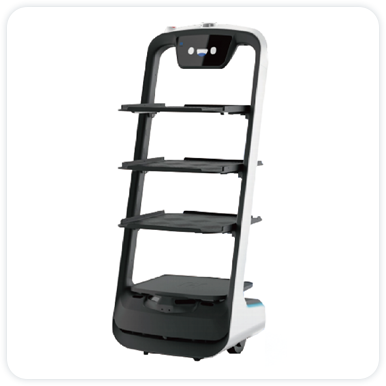
The retail landscape is experiencing a revolutionary transformation as businesses increasingly turn to automated solutions to enhance operational efficiency and customer satisfaction. Modern retail robots are becoming essential tools for streamlining operations, reducing labor costs, and minimizing customer wait times across various retail environments. These sophisticated machines offer unprecedented capabilities that extend far beyond traditional automation, providing intelligent solutions for inventory management, customer service, and delivery operations. As consumer expectations continue to rise and labor shortages persist across many markets, retail robots represent a strategic investment that can deliver measurable returns through improved productivity and enhanced customer experiences.
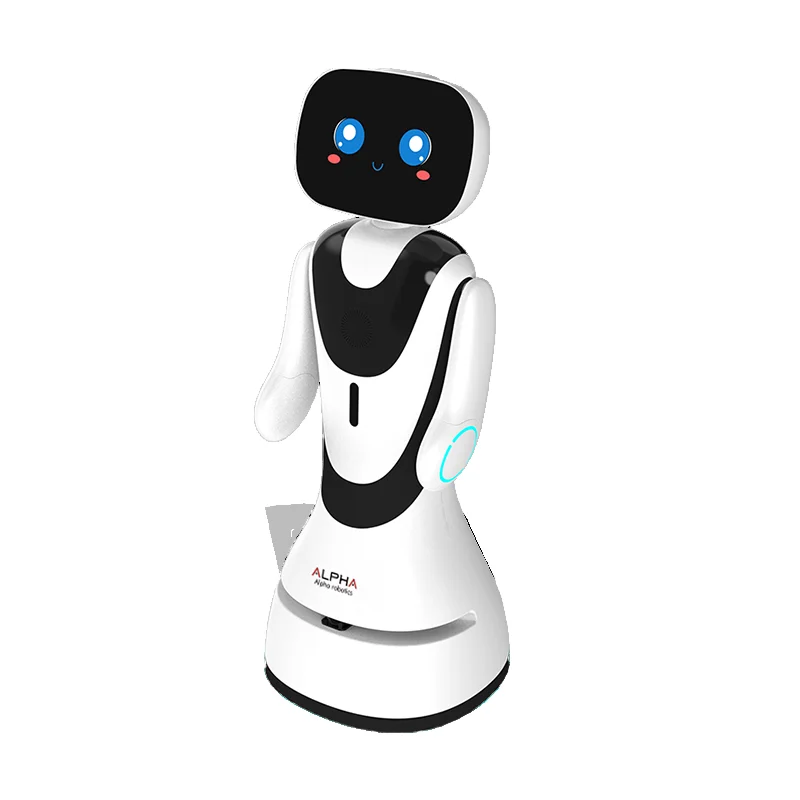
Understanding the Current Retail Environment
Challenges Facing Modern Retailers
Today's retail environment presents numerous challenges that directly impact operational efficiency and customer satisfaction. Staff shortages have become increasingly common, particularly in entry-level positions that require repetitive tasks and extended hours. These workforce challenges often result in longer wait times, reduced service quality, and increased operational costs as businesses struggle to maintain adequate staffing levels during peak periods.
Customer expectations have evolved significantly, with shoppers demanding faster service, accurate order fulfillment, and seamless experiences across all touchpoints. Traditional retail operations often struggle to meet these heightened expectations while maintaining cost-effective operations. The integration of retail robots addresses these fundamental challenges by providing consistent, reliable service that operates continuously without the limitations associated with human workers.
The Rise of Automation in Retail
Automation technologies have gained significant traction in retail environments as businesses seek innovative solutions to improve operational efficiency. From self-checkout systems to automated inventory management, retailers are increasingly adopting technological solutions that reduce dependency on manual processes. Retail robots represent the next evolution in this automation journey, offering advanced capabilities that extend beyond simple task automation.
The adoption of retail robots has accelerated due to technological advancements in artificial intelligence, machine learning, and sensor technologies. These improvements have made robotic solutions more accessible, reliable, and cost-effective for businesses of various sizes. Modern retail robots can navigate complex environments, interact with customers, and perform sophisticated tasks that were previously impossible with earlier automation technologies.
How Retail Robots Enhance Operational Efficiency
Streamlined Inventory Management
Retail robots excel at inventory-related tasks, providing accurate and efficient solutions for stock management, replenishment, and tracking. These automated systems can conduct regular inventory counts with precision levels that exceed human capabilities while operating during off-hours to minimize disruption to customer service. Advanced retail robots equipped with computer vision and RFID scanning capabilities can identify stock levels, detect misplaced items, and generate real-time inventory reports.
The implementation of robotic inventory management systems significantly reduces the time and labor costs associated with manual stock counting and monitoring. These systems can work continuously, providing 24/7 inventory oversight that ensures optimal stock levels and reduces the likelihood of stockouts or overstock situations. By maintaining accurate inventory data, retail robots help businesses optimize their supply chain operations and improve overall profitability.
Automated Customer Service Functions
Modern retail robots are equipped with sophisticated customer interaction capabilities that can handle routine inquiries, provide product information, and guide customers to specific locations within the store. These systems utilize natural language processing and machine learning algorithms to understand customer requests and provide appropriate responses. Retail robots can operate multiple languages and maintain consistent service quality regardless of peak traffic periods or staff availability.
The integration of customer service robots allows human staff to focus on more complex tasks that require emotional intelligence and specialized knowledge. This strategic deployment of resources improves overall service quality while reducing wait times for basic inquiries and routine assistance. Retail robots can also collect valuable customer interaction data that provides insights into shopping patterns, frequently asked questions, and areas for operational improvement.
Reducing Wait Times Through Robotic Solutions
Optimized Queue Management
Retail robots contribute significantly to reducing customer wait times through intelligent queue management and traffic flow optimization. These systems can monitor customer density in different areas of the store, identify bottlenecks, and provide real-time recommendations for redistributing traffic to less congested areas. Advanced retail robots can also communicate with point-of-sale systems to predict checkout demand and alert management to open additional registers when needed.
The implementation of robotic queue management systems provides customers with accurate wait time estimates and alternative options for completing their purchases. These systems can direct customers to the shortest available checkout lines, self-service kiosks, or mobile payment options based on current traffic patterns and individual customer preferences. By optimizing traffic flow and providing transparent wait time information, retail robots significantly improve the overall customer experience.
Accelerated Order Fulfillment
Order fulfillment represents one of the most impactful applications of retail robots in reducing wait times and improving operational efficiency. These automated systems can quickly locate requested items, navigate store layouts efficiently, and deliver products to designated pickup locations or directly to customers. Retail robots equipped with advanced navigation systems can process multiple orders simultaneously, dramatically reducing the time required for order preparation and delivery.
The precision and speed of robotic order fulfillment systems eliminate many of the delays associated with manual picking and packing processes. These systems maintain detailed databases of product locations, enabling them to optimize picking routes and minimize travel time within the facility. By reducing order fulfillment times, retail robots enable businesses to process higher volumes of transactions while maintaining superior customer satisfaction levels.
Implementation Strategies for Retail Robots
Assessment and Planning Phase
Successful implementation of retail robots requires comprehensive assessment of current operations, identification of optimization opportunities, and development of strategic deployment plans. Businesses must evaluate their specific operational challenges, customer service requirements, and facility layouts to determine the most appropriate robotic solutions. This assessment phase should include analysis of current wait times, staffing costs, and customer satisfaction metrics to establish baseline performance indicators.
The planning phase involves selecting retail robots with capabilities that align with identified operational needs and business objectives. Factors to consider include payload capacity, navigation capabilities, integration requirements with existing systems, and scalability for future expansion. Proper planning ensures that robotic implementations deliver maximum return on investment while minimizing disruption to ongoing operations.
Integration and Training Considerations
Effective integration of retail robots requires careful coordination with existing systems, staff training programs, and customer communication strategies. Technical integration involves connecting robotic systems with inventory management software, point-of-sale systems, and customer relationship management platforms. This integration ensures seamless data flow and enables retail robots to access real-time information necessary for optimal performance.
Staff training programs should focus on collaborative working relationships between human employees and retail robots rather than replacement scenarios. Employees need to understand how to interact with robotic systems, monitor their performance, and handle exception situations that may require human intervention. Customer communication strategies should highlight the benefits of robotic assistance while ensuring that traditional service options remain available for customers who prefer human interaction.
Measuring Success and Return on Investment
Key Performance Indicators
Measuring the success of retail robots implementation requires tracking specific performance indicators that demonstrate improvements in efficiency and customer satisfaction. Wait time reduction metrics provide direct evidence of operational improvements, while customer satisfaction scores indicate the impact on overall shopping experience. Additional metrics include order fulfillment accuracy, inventory turnover rates, and labor cost reductions that demonstrate the financial benefits of robotic automation.
Operational efficiency indicators such as task completion times, error rates, and system uptime provide insights into the performance of retail robots compared to manual processes. These metrics enable businesses to identify areas for further optimization and justify continued investment in robotic technologies. Regular monitoring and analysis of performance data ensures that retail robots continue to deliver expected benefits and identify opportunities for system enhancements.
Long-term Strategic Benefits
The implementation of retail robots provides long-term strategic benefits that extend beyond immediate operational improvements. These systems offer scalability advantages that enable businesses to handle increased transaction volumes without proportional increases in labor costs. Retail robots also provide valuable data collection capabilities that generate insights into customer behavior, operational patterns, and market trends that inform strategic decision-making.
Competitive advantages emerge from the enhanced customer experiences and operational efficiencies enabled by retail robots. Businesses that successfully integrate these technologies can differentiate themselves through faster service, higher accuracy, and innovative customer interactions. The strategic value of retail robots continues to grow as these systems evolve and expand their capabilities through software updates and technological advancements.
Future Trends in Retail Robotics
Technological Advancements
The future of retail robots will be shaped by continued advancements in artificial intelligence, machine learning, and sensor technologies. These improvements will enable more sophisticated customer interactions, enhanced environmental awareness, and greater operational autonomy. Next-generation retail robots will feature improved natural language processing capabilities, emotional recognition systems, and predictive analytics that anticipate customer needs and operational requirements.
Integration capabilities will expand to include seamless connectivity with Internet of Things devices, cloud-based analytics platforms, and advanced supply chain management systems. These enhanced integration capabilities will enable retail robots to participate in comprehensive ecosystem solutions that optimize entire retail operations rather than individual tasks. The evolution of 5G networks and edge computing will further enhance the performance and capabilities of connected retail robots.
Market Expansion Opportunities
The market for retail robots is expanding rapidly as businesses across various sectors recognize the benefits of automated solutions. Small and medium-sized retailers are increasingly adopting robotic technologies as costs decrease and capabilities improve. Specialized retail environments such as pharmacies, grocery stores, and department stores are developing customized applications for retail robots that address their unique operational requirements.
International markets present significant growth opportunities for retail robots as global retailers seek to standardize operations and improve efficiency across multiple locations. The expansion of e-commerce and omnichannel retail strategies creates additional applications for retail robots in fulfillment centers, pickup locations, and hybrid retail environments. These market developments indicate sustained growth and innovation in the retail robotics sector.
FAQ
How do retail robots integrate with existing store systems
Retail robots integrate with existing store systems through APIs and standardized communication protocols that enable seamless data exchange with inventory management, point-of-sale, and customer relationship management platforms. Most modern retail robots support common retail software standards and can be configured to work with existing infrastructure without requiring complete system overhauls. Integration typically involves connecting robotic systems to wireless networks and configuring software interfaces that allow real-time access to inventory data, pricing information, and customer preferences.
What maintenance requirements do retail robots have
Retail robots require regular maintenance including software updates, sensor calibration, battery management, and mechanical component inspection. Most systems include predictive maintenance capabilities that monitor performance metrics and alert operators to potential issues before they impact operations. Routine maintenance tasks typically include cleaning sensors, checking navigation systems, updating software, and replacing consumable components according to manufacturer schedules. Many retail robot providers offer comprehensive maintenance packages that include remote monitoring, scheduled service visits, and technical support.
Can retail robots work effectively during peak shopping periods
Retail robots are specifically designed to maintain consistent performance during peak shopping periods when traditional staffing approaches may struggle with increased demand. These systems can operate continuously without breaks, handle multiple tasks simultaneously, and adapt their operations based on real-time traffic patterns and customer density. Advanced retail robots include crowd navigation capabilities and priority management systems that ensure critical tasks are completed even during busy periods. The consistent performance of robotic systems during peak times often results in improved customer satisfaction compared to human-only operations.
What training do staff members need to work with retail robots
Staff training for working with retail robots typically includes understanding system capabilities, learning interaction protocols, monitoring performance metrics, and handling exception scenarios that require human intervention. Training programs focus on collaborative workflows where human employees and retail robots work together to optimize customer service and operational efficiency. Most retail robot systems include user-friendly interfaces and comprehensive documentation that minimize training requirements. Ongoing training may include updates on new features, troubleshooting procedures, and best practices for maximizing the effectiveness of human-robot collaboration in retail environments.